
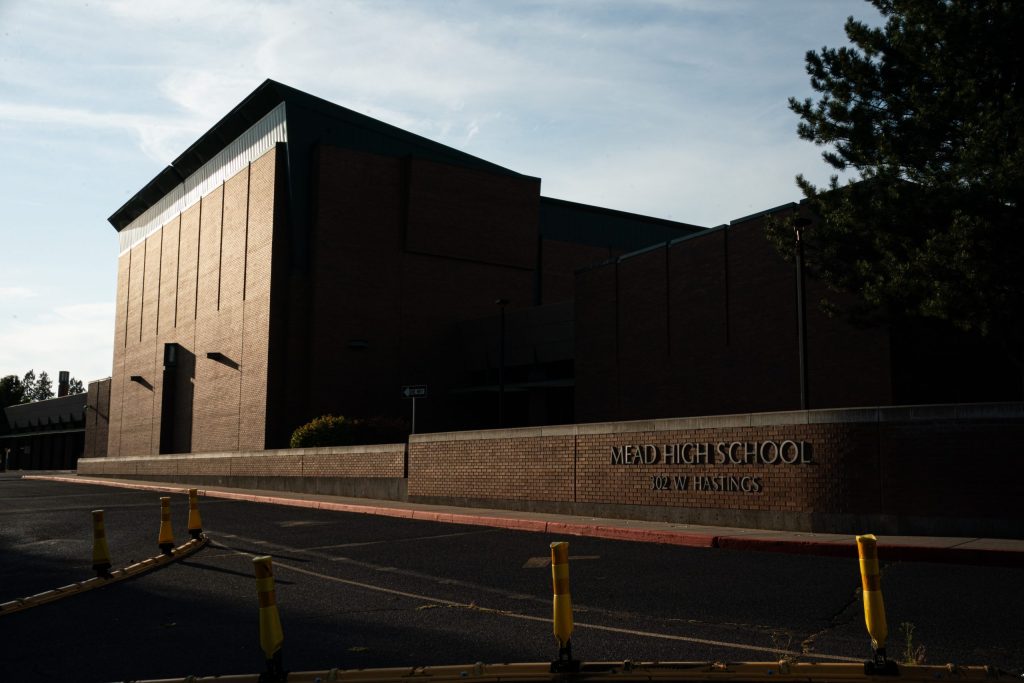
Navigating Educational Policy: When School Boards Clash with State Mandates
In the dynamic landscape of education, school boards often find themselves at the intersection of local values and state or federal directives.
This article delves into a critical case study, exploring how a school board in Washington state, facing a "blue state" environment, sought federal intervention to address policy conflicts, particularly concerning transgender student rights.
We'll examine the intricate interplay between local governance, state education departments, and federal oversight, offering insights for educators, parents, and policymakers navigating similar challenges.
The Mead School District's Policy Dilemma
The Mead school district, situated in Washington state, a region generally characterized by progressive educational policies, encountered a significant challenge regarding its compliance with state mandates.
For years, Washington state has had established policies requiring school districts to implement measures protecting transgender students from bullying and prohibiting discrimination based on gender identity.
In 2019, the Mead school board had unanimously adopted a policy to align with these state guidelines, with minimal initial contention.
However, by 2023, a shift in the local political climate, influenced by broader national trends including lingering frustrations from COVID-19 restrictions and a growing backlash against transgender rights, led to a more conservative majority on the Mead school board.
This change in board composition set the stage for a re-evaluation of existing policies.
State Review and Federal Appeal
The Washington state education department, in a routine review of district policies, identified areas where Mead's nondiscrimination policy needed updating.
These included crucial aspects such as staff training protocols and the consistent use of students' preferred pronouns.
The state provided the district with a 30-day window to rectify these discrepancies.
At this juncture, the Mead school board, now under conservative leadership, perceived a conflict between state directives and their interpretation of community values and parental rights.
Drawing inspiration from a perceived shift in federal policy under the Trump administration, which had issued executive orders on gender and sports, the board took a significant step.
They penned a letter to the U.S.
Secretaries of Education and Justice, requesting federal assistance.
The board articulated their predicament, stating they were "caught between conflicting directives that threaten not only our federal funding but also the rights and values of the families we serve." They expressed concern that non-compliance could result in retaliation from the state, potentially leading to the withholding of state funding and further jeopardizing their ability to serve students.
Federal Intervention and Title IX Investigations
The Mead school board's appeal coincided with the federal government's establishment of a special investigative team focused on Title IX violations in educational institutions.
Title IX, a landmark federal civil rights law enacted in 1972, prohibits sex-based discrimination in education.
Certain groups have argued that allowing transgender girls to participate in female sports constitutes discrimination against cisgender females, although research on athletic advantages remains a subject of ongoing discussion and is often inconclusive.
The newly formed federal team aimed to expedite the resolution of such complaints.
Their initial focus was on the Office of the Superintendent of Public Instruction (OSPI), the state-level authority overseeing education in Washington.
The U.S.
Department of Education, in a formal letter, announced an investigation into OSPI, citing complaints from Mead and several other Washington school districts.
The department alleged that OSPI had threatened to withhold funding from districts that did not comply with policies perceived to violate Title IX.
This federal probe highlighted a broader strategy by the Trump administration to leverage federal authority to challenge progressive policies enacted in states with Democratic leadership.
Similar investigations were initiated in other states, including California and Maine, signaling a nationwide effort to scrutinize and potentially alter educational policies concerning transgender rights.
The Role of Title IX in Educational Policy
Title IX's core principle is to prevent discrimination based on sex in any educational program or activity receiving federal financial assistance.
Its interpretation and application, particularly concerning gender identity, have become a focal point of legal and political debate.
The federal investigation into Washington state's practices underscored the complex legal landscape surrounding these issues, where interpretations of federal law can directly impact state and local educational governance.
Local Activism and Shifting Political Landscapes
The events in Mead were not isolated.
They reflected a national trend of conservative activism targeting school boards and policies related to LGBTQ+ rights.
In Washington state, this movement gained momentum following legislative actions and ballot initiatives aimed at enhancing parental rights and challenging gender-affirming care for minors.
The passage of a bill in 2023 that would allow housing shelters to notify state authorities about runaway youth seeking gender-affirming care, for instance, was cited as a catalyst for increased parental concern and activism.
Statewide coalitions, such as the Washington Parents Network, formed to protest school closures and mask mandates, also became involved in advocating for what they termed "parents' rights." These efforts included supporting ballot measures designed to give parents greater oversight in educational decisions, including notification about medical services offered to their children at school.
The narrative of "parents' rights" being "under attack" resonated with a segment of the electorate, contributing to the election of a conservative majority on the Mead school board in 2023.
The Impact of "Culture War" Conflicts on School Districts
District leaders, like Mead's Superintendent Travis Hanson, found themselves navigating increasingly polarized environments.
Hanson described the situation as being placed in an "impossible position" by "culture-war conflicts" and the dramatic shifts in local, state, and federal education policy.
He emphasized that these acrimonious debates, often split along partisan lines, created complex challenges for district leaders who were responsible for managing socio-political conflicts they did not initiate.
Board Actions and Community Reactions
Following the election of its new conservative majority, the Mead school board took several actions that amplified the policy conflict.
In February 2024, the board adopted a resolution opposing a state policy that mandated curriculum inclusive of historically marginalized groups, including LGBTQ+ individuals, arguing it undermined local control.
They also joined a campaign with other districts to prohibit transgender athletes from participating in female sports, an effort that ultimately did not succeed.
These actions generated significant reactions within the community.
Some residents expressed alarm, viewing the board's stance as detrimental to inclusivity and the well-being of LGBTQ+ students.
One mother, a state employee, wrote to the board condemning their campaign and stating it sent a message that Mead schools did not support all students.
In response, a board member, Alan Nolan, contacted the mother's employer, questioning her use of government resources for personal matters.
This action was defended by Board President Michael Cannon as an attempt to prevent the mother from using her state title to "push us around."
Navigating Student Privacy and Parental Rights
The federal investigation also touched upon concerns related to student privacy laws, such as the Family Educational Rights and Privacy Act (FERPA) and the Protection of Pupil Rights Amendment (PPRA).
The U.S.
Department of Education raised concerns that some states and districts might be misinterpreting these laws to prevent parents from knowing if their child was transitioning at school.
This aspect of the investigation suggested a federal intent to ensure parental notification regarding sensitive student information, a key tenet of the "parents' rights" movement.
Legal and Judicial Ramifications
The legal landscape surrounding transgender rights in schools is complex and evolving, with conflicting rulings from federal courts creating uncertainty.
For instance, the 9th U.S.
Circuit Court of Appeals, which includes Washington state, had previously blocked Idaho from enforcing a ban on transgender athletes in girls' and women's sports.
Conversely, the Supreme Court had made decisions impacting the broader landscape of transgender rights, such as ruling that states can prohibit gender-affirming medical care for minors.
The federal government's use of Title IX and related statutes to challenge state policies was viewed by some as an attempt to enforce an ideological agenda.
Legal experts and civil rights advocates argued that the administration's approach could weaponize federal authority and that civil rights should not be treated as a zero-sum game.
The ultimate resolution of these conflicts often hinges on judicial interpretation and potential legislative action by Congress.
Conclusion
The situation in the Mead school district exemplifies the intricate challenges faced by educational institutions when state and federal policies intersect with local political dynamics and community values.
The board's decision to seek federal intervention highlights a strategy employed by some conservative school boards to challenge progressive state mandates, particularly concerning transgender student rights.
This case underscores the critical need for clear communication, adherence to legal frameworks, and a commitment to fostering inclusive environments for all students, regardless of their background or identity.
As these debates continue, understanding the legal underpinnings of Title IX, state education laws, and the principles of local governance remains paramount for all stakeholders in the educational ecosystem.







 Explore AI Teaching Tools
Comments (0)
Please login to comment
No comments yet
Be the first to comment on this article