

Beyond the Buzzwords: Is "Next-Gen" High School Failing to Equip Students for a World of Information Chaos?
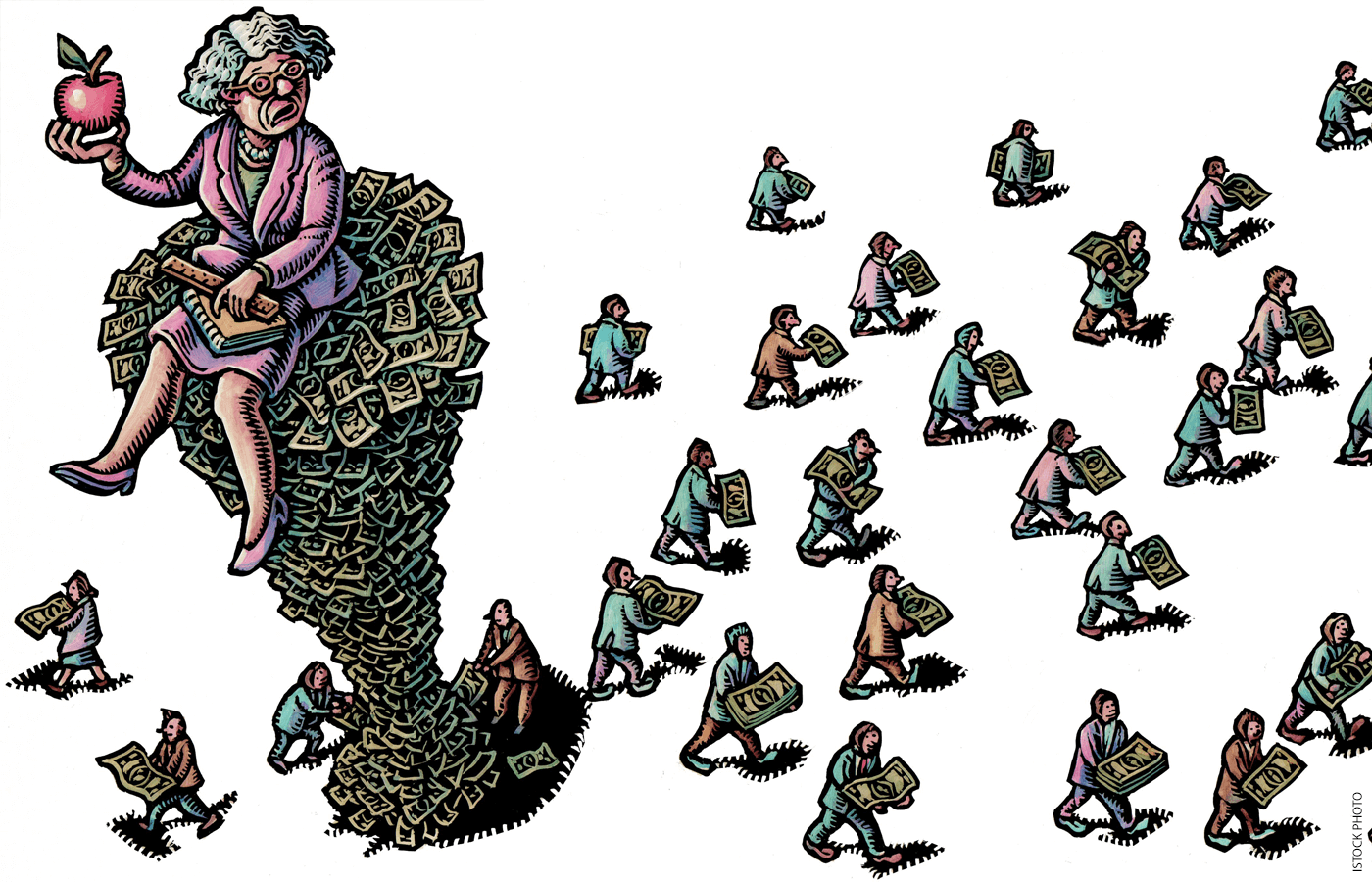
A surprising truth is emerging from the heart of high school reform: the most lauded "innovative" models, brimming with tech and project-based learning, might be leaving students critically unprepared for the very world they're meant to conquer. While these schools boast impressive student achievements, a closer look reveals a potential blind spot in cultivating the deep knowledge and critical discernment essential for navigating today's complex information landscape.
The Allure of the "Age of AI" School Model
Across the nation, a compelling narrative is taking hold. School leaders and funders champion cutting-edge high school models designed for the "age of AI." These institutions are often characterized by a rich tapestry of project-based learning, a strong emphasis on "design thinking," and a vibrant integration of technology.
The success stories are plentiful: graduates accepted into prestigious universities, coveted summer internships at tech firms, and students winning competitions, building robots, or even launching successful podcasts. These achievements are presented as proof of a dynamic roadmap to the future, a stark departure from what some perceive as the "suffocating influence" of traditional knowledge.
The prevailing message is clear: shift focus from a "centuries-old curriculum" to preparing "students to thrive, collaborate, and innovate." The idea is to allow high schoolers to dedicate less time to traditional academics in favor of more experiential learning, fostering a generation ready to tackle the challenges of tomorrow.
What's Missing from the "Innovative" Equation?
When pressed, the conversation often pivots away from foundational academic content. Questions about American history, geography, or literature are met with polite dismissal or vague assurances that such knowledge is indeed covered. This approach, while well-intentioned, raises a critical concern: are we prioritizing skills over substance?
The goal of preparing students for college and future employment is undeniably important. However, the interpretation of "college and career readiness" seems to be narrowing. The emphasis is increasingly placed on the ability to manipulate AI, collaborate, and communicate, often at the expense of acquiring deep, foundational knowledge.
This shift is particularly concerning when considering the potential consequences of producing successful graduates who may lack robust critical thinking skills, moral grounding, or the ability to resist manipulation in an increasingly complex attention economy. The digital world, fueled by provocative content and echo chambers, presents a unique set of challenges that require more than just technical proficiency.
The Perils of the Modern Information Ecosystem
Today's students are growing up in an environment where traditional information gatekeepers have largely dissolved. The digital commons, a space where information spreads with unprecedented speed and reach, is often dominated by sensationalism and polarization.
Unlike past eras, where a shared cultural narrative and established media outlets provided a degree of common ground, the current landscape is fragmented. The rise of "do your own research" as an information-gathering strategy, coupled with the proliferation of influential online personalities, means that institutional trust has waned.
This creates a fertile ground for misinformation and propaganda. Individuals can now easily become amplifiers of fringe views, and the lines between credible sources and unsubstantiated claims are increasingly blurred. The consequences of this informational chaos are profound, impacting everything from public discourse to individual decision-making.
The Rise of the Provocateur
We are witnessing the emergence of influential figures who, despite espousing controversial or even harmful viewpoints, garner significant followings and financial success. These individuals, often leveraging provocative content, demonstrate a different kind of "success" in the digital age.
Their ability to attract attention and build communities, even around divisive or extreme ideologies, highlights a critical gap. It suggests that simply possessing technical skills or the ability to collaborate isn't enough to navigate the ethical and societal implications of the information we consume and produce.
The financial incentives and widespread reach of such figures, often amplified by algorithms designed for engagement, underscore the urgent need for students to develop a sophisticated understanding of media, bias, and the persuasive tactics employed in the digital sphere. This is where the traditional academic content, often dismissed as outdated, becomes indispensable.
Reclaiming the Value of Foundational Knowledge
The argument isn't to abandon innovation in high schools. Instead, it's a call to re-evaluate what truly constitutes a well-rounded education in the 21st century. The "age of AI" demands not just technological fluency but also a robust intellectual toolkit.
Questions about the tension between majority rule and minority rights, the mechanics of American government, the nature of evil, or the complexities of government regulation are not mere academic exercises. They are fundamental inquiries that equip students with the critical thinking skills necessary to engage with the world responsibly.
These are the kinds of questions that traditional subjects like history, civics, and literature are uniquely positioned to explore. They provide the context and depth needed to understand complex societal issues and to form informed judgments, a crucial counterpoint to the superficiality that can pervade online content.
The Stakes Have Never Been Higher
In a world where misinformation can spread like wildfire and influential figures can shape public opinion with provocative statements, the ability to discern truth from falsehood is paramount. The consequences of ignorance are no longer limited to individual misunderstandings; they can have far-reaching societal impacts.
The skills honed through studying classic texts, understanding historical precedents, and grappling with philosophical concepts are not just about accumulating facts. They are about cultivating judgment, fostering discernment, and developing the intellectual resilience needed to resist manipulation and to contribute meaningfully to public discourse.
High schools have a critical role to play in ensuring that their students are not only prepared for future careers but are also equipped to be informed, engaged, and responsible citizens in a world that is increasingly shaped by the content we consume and the algorithms that curate it. The focus must shift to a more balanced approach, one that values both innovative pedagogy and the enduring power of deep, foundational knowledge.





 Explore AI Teaching Tools
Comments (0)
Please login to comment
No comments yet
Be the first to comment on this article