
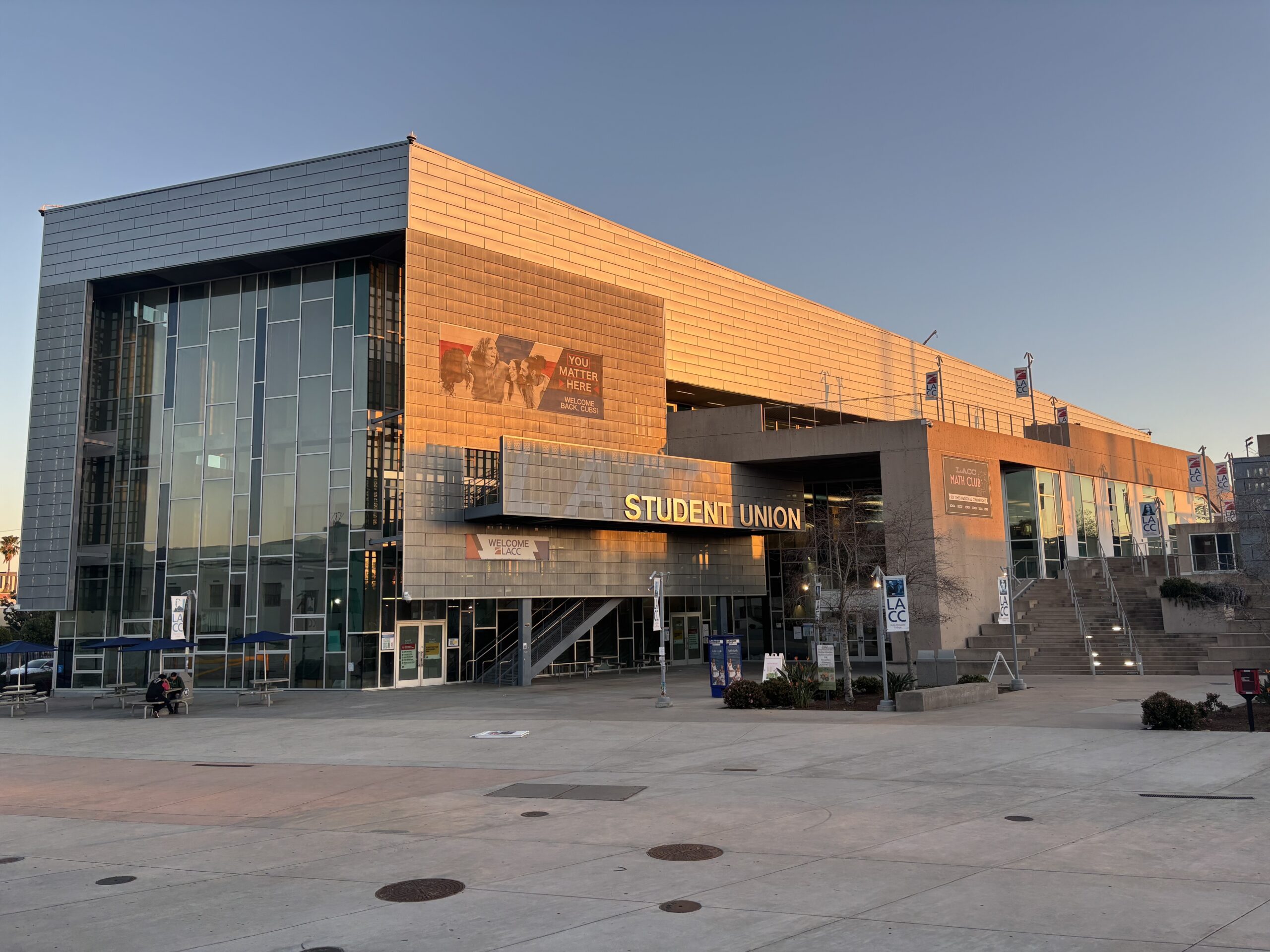
The Enduring Rise of online learning: How Community Colleges are Adapting for Today's Students
The landscape of higher education has been irrevocably altered, with online learning emerging not as a temporary fix, but as a fundamental pillar of accessibility and flexibility.Years after the initial surge driven by global events, community colleges are witnessing a sustained and significant demand for online classes.
This shift reflects a deeper understanding of student needs, a commitment to broader access, and a strategic adaptation to the modern learner's lifestyle.
For countless students, these digital classrooms offer a vital pathway to achieving their educational and career aspirations.
The Pandemic's Lasting Imprint on Educational Delivery
The global health crisis of recent years acted as an unprecedented catalyst, forcing educational institutions worldwide to rapidly embrace digital solutions.What began as a necessity for many community colleges quickly revealed itself as a powerful tool for expanding reach and serving a diverse student population.
This period saw a dramatic increase in the proportion of courses offered online, a trend that has not only persisted but, in many cases, has solidified its place in the academic offerings.
Before the pandemic, online courses were a relatively niche offering for many community colleges.
However, the sudden need to transition to remote instruction meant that educators and students alike had to quickly adapt.
While there were initial challenges and a learning curve for both instructors and learners, the experience proved that online education could be a robust and effective mode of learning.
This forced experiment demonstrated the potential for digital platforms to deliver quality instruction across a wide range of subjects.
The data now clearly indicates that this shift was more than a temporary measure.
A significant percentage of community college courses continue to be delivered online, a figure substantially higher than pre-pandemic levels.
This sustained presence of online classes reflects a conscious decision by institutions to meet students where they are, acknowledging the evolving demands of their lives.
Why Online Classes Remain a Top Choice for Students
The enduring popularity of online classes among college students is not a mere coincidence; it's a direct response to the practical realities and diverse needs of today's learners.For many, the flexibility offered by online formats is paramount, enabling them to balance education with work, family responsibilities, and other commitments.
Students often find that online courses are instrumental in managing demanding schedules.
The ability to access lectures, complete assignments, and engage with course materials on their own timeline allows them to pursue higher education without sacrificing other essential aspects of their lives.
This is particularly true for students who are working significant hours, as was highlighted by one student’s experience juggling multiple responsibilities while pursuing a degree.
The convenience of asynchronous learning, where students can engage with content at their own pace, has become a cornerstone of this appeal.
Beyond scheduling, online classes can also foster a unique learning environment.
Some students report feeling more comfortable participating in discussions or asking questions in a digital format, perhaps due to reduced social anxiety or the ability to formulate their thoughts more carefully.
Research indicates that students can achieve comparable academic outcomes in online courses, whether synchronous or asynchronous, to those in traditional in-person settings, especially for foundational general education subjects.
The Appeal of Flexibility and Accessibility
The core driver behind the sustained popularity of online classes is the unparalleled flexibility they offer.Students are no longer tethered to a physical campus for every course.
This opens up educational opportunities for individuals who might otherwise be excluded due to geographical limitations, work schedules, or personal circumstances.
- Time Management: Asynchronous online classes allow students to access course materials and complete assignments on their own schedule, making it easier to balance education with work, family, and other commitments.
- Geographic Freedom: Online learning removes geographical barriers, enabling students to access courses from institutions regardless of their physical location.
- Pacing Control: Students can often revisit lectures, pause content, and review materials at their own pace, which can be particularly beneficial for complex subjects.
- Reduced Commute: Eliminating the need for daily commutes saves students time and money, contributing to a more efficient and cost-effective educational experience.
Navigating the Challenges and Opportunities of Digital Education
While the benefits of online learning are clear, institutions and educators are continually working to address the inherent challenges and maximize the opportunities presented by this educational modality.Ensuring quality, fostering engagement, and addressing potential inequities are ongoing priorities.
One significant consideration for colleges is the need to maintain enrollment numbers, which saw a notable decline during the pandemic and have yet to fully recover in some areas.
Offering a robust selection of online classes is a strategic approach to attract and retain students, providing them with the educational pathways they seek.
This pragmatic approach ensures that institutions can continue to serve their communities effectively.
The effectiveness of online instruction is a subject of continuous study and refinement.
While many general education courses translate well to the online environment, some disciplines, particularly those requiring hands-on laboratory work or practical skill development, necessitate in-person instruction.
Colleges are carefully evaluating which courses are best suited for online delivery and which require a blended or fully in-person approach.
Ensuring Quality and Engagement in Online Classrooms
Maintaining high standards of education in an online setting requires deliberate effort and innovative strategies.Colleges are investing in faculty training and developing robust pedagogical approaches to ensure that online courses are as engaging and effective as their in-person counterparts.
- Faculty Training: Institutions are increasingly providing specialized training for instructors on best practices for online teaching, including course design, digital engagement strategies, and effective use of learning management systems.
- Interactive Content: Moving beyond static lectures, online courses are incorporating more interactive elements such as virtual discussions, collaborative projects, simulations, and multimedia resources to enhance student engagement.
- Personalized Feedback: Providing timely and personalized feedback on student work is crucial.
Many online instructors are developing efficient methods for offering constructive critiques to support student learning and growth.
- Community Building: Efforts are being made to foster a sense of community among online students, using discussion forums, virtual study groups, and online office hours to replicate the social interactions often found in traditional classrooms.
The Evolving Role of the College Campus
As online learning becomes more integrated into the educational fabric, the role and purpose of the physical college campus are also evolving.While the digital realm offers unparalleled flexibility, the value of in-person interaction, campus resources, and a sense of belonging remains significant for many students.
Colleges are recognizing that the campus experience offers unique benefits that cannot be fully replicated online.
This includes opportunities for spontaneous peer interaction, access to specialized facilities, and the development of crucial soft skills through face-to-face engagement.
Some institutions are actively working to enhance these aspects of campus life to draw students back and provide a more holistic educational experience.
The challenge for community colleges lies in finding the right balance.
They must continue to leverage the accessibility and efficiency of online learning while also nurturing the vibrant and supportive environment that a physical campus can provide.
This might involve reimagining campus spaces to foster collaboration and community, offering more targeted in-person support services, and creating hybrid learning models that blend the best of both worlds.
Strategies for Re-engaging Students on Campus
To address the potential for student isolation and to capitalize on the benefits of physical presence, many colleges are implementing innovative strategies to encourage students to engage with campus life and in-person learning opportunities.- Enhanced Student Support Services: Colleges are investing in resources like wellness lounges, mental health counseling services, and academic advising centers that are easily accessible on campus, providing tangible benefits for students.
- Flexible Learning Environments: Offering a variety of learning modalities, including HyFlex options that allow students to choose between online or in-person attendance for the same class, provides greater autonomy and caters to diverse preferences.
- Purposeful In-Person Experiences: Designing campus events, workshops, and collaborative projects that specifically leverage the advantages of face-to-face interaction can make the campus experience more appealing and valuable.
- Investing in Campus Facilities: Upgrading and modernizing campus facilities, such as creating comfortable study spaces, collaborative work areas, and recreational amenities, can make the campus a more attractive destination for students.
The Future of Learning: A Hybrid Landscape
The trend towards online learning is not a fleeting phenomenon but a fundamental shift in how education is delivered and consumed.Community colleges, in particular, are at the forefront of this evolution, demonstrating a remarkable capacity for adaptation and innovation.
The future of education appears to be a dynamic hybrid landscape, where online and in-person learning coexist and complement each other.
The insights gained from the widespread adoption of online classes have equipped educators and institutions with valuable knowledge and tools.
This has led to a greater understanding of how to design effective digital learning experiences, how to support students in remote environments, and how to leverage technology to enhance learning outcomes.
The ongoing refinement of online pedagogy, coupled with a renewed focus on the unique strengths of in-person instruction, promises a richer and more accessible educational future for all students.
Conclusion
The enduring popularity of online classes in community colleges signifies a profound and lasting transformation in higher education.Driven by the need for flexibility, accessibility, and convenience, these digital learning formats have become an indispensable component of the modern student experience.
While the pandemic accelerated this trend, the underlying demand for adaptable educational solutions predates it and will continue to shape how colleges serve their communities.
By embracing innovation, prioritizing quality instruction, and thoughtfully integrating online and in-person learning, community colleges are well-positioned to empower a new generation of learners and equip them with the skills and knowledge needed to thrive in an ever-changing world.
The commitment to student success, regardless of the delivery method, remains the guiding principle.







 Explore AI Teaching Tools
Comments (0)
Please login to comment
No comments yet
Be the first to comment on this article