
California's School Infrastructure Crisis: How Funding Can Transform Learning Environments
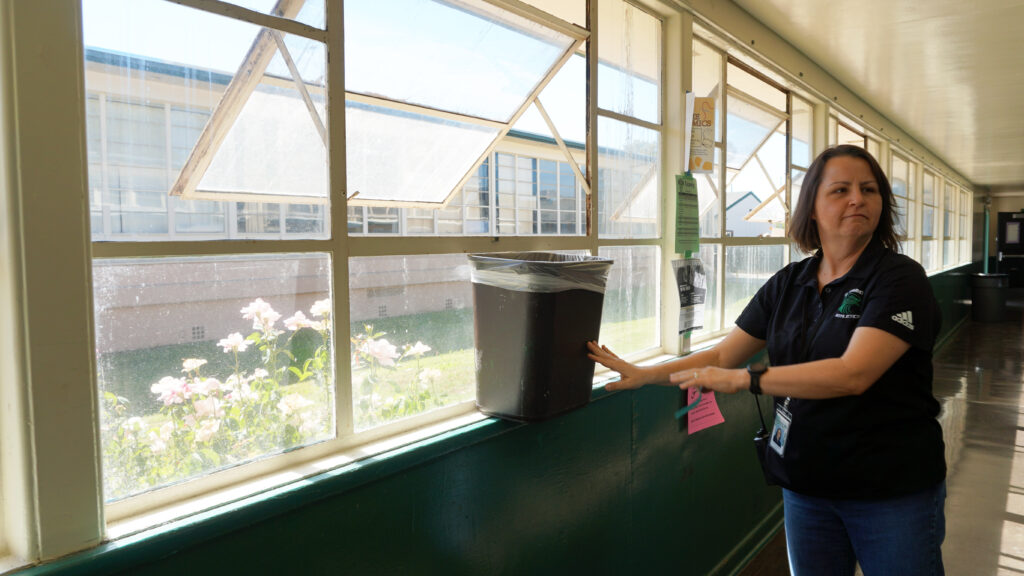
For decades, many California schools have grappled with aging infrastructure and insufficient resources, creating environments that hinder rather than foster student success.This widespread disinvestment has left numerous school districts struggling with outdated facilities, cramped classrooms, and even unsafe conditions.
Research consistently shows a strong correlation between the physical learning environment and academic achievement.
When students learn in dilapidated buildings with poor air quality, inadequate lighting, or safety concerns, their ability to concentrate and absorb information is significantly compromised.
This article explores the critical need for renewed investment in California's school facilities and how strategic funding initiatives can pave the way for a brighter educational future for all students.
The Urgent Need for School Facility Modernization
Across the state of California, a significant portion of K-12 students are enrolled in schools that fall short of basic safety and environmental standards.This is not merely an inconvenience; it presents a tangible risk to student well-being and academic progress.
Studies indicate that environmental factors within schools, such as poor ventilation, insufficient natural light, and structural deficiencies, can directly impede learning outcomes.
When classrooms are too hot or too cold, when roofs leak, or when hazardous materials are present, the focus shifts from education to survival, creating an unacceptable barrier to learning.
The Impact of Substandard Facilities on Student Achievement
The physical state of a school building is intrinsically linked to its educational effectiveness.Imagine trying to focus on complex scientific concepts in a room with flickering lights and a constant draft, or attempting to engage in creative arts within a space that lacks proper acoustics or adequate ventilation.
These are not hypothetical scenarios; they are the daily realities for many students in California.
Research consistently demonstrates that well-maintained, modern facilities contribute to: * Improved Concentration and Engagement: Comfortable and stimulating environments help students stay focused and actively participate in lessons. * Enhanced Health and Well-being: Proper ventilation, clean air, and safe structures reduce illness and absenteeism, ensuring students are present and ready to learn. * Greater academic performance: Access to updated resources, such as modern science labs and technology-equipped classrooms, directly supports a richer and more effective curriculum. * Increased Teacher Morale and Retention: educators are more likely to thrive and remain in their positions when they have access to functional and inspiring workspaces.
California's Funding Challenges for School Infrastructure
Unlike many other states that maintain dedicated funding streams for school facility improvements, California's approach has historically relied heavily on a combination of state and local bond measures.This reliance creates a precarious situation, particularly for districts that lack the financial capacity to generate substantial local funding.
When state bond funds are depleted, as they are projected to be, countless schools are left with no viable avenue for essential repairs and upgrades.
The Depletion of School Repair Funds
For nearly a decade, California has not seen significant new state bond measures dedicated to school facilities.This prolonged period without substantial state investment has led to a critical depletion of existing funds.
Consequently, many school districts across the state are now facing a severe funding gap.
This situation disproportionately affects districts in lower-income communities, which often have a smaller tax base and therefore struggle immensely to raise the necessary local funds for facility improvements.
Without state support, these districts are left vulnerable, with their ability to provide safe and modern learning environments hanging precariously in the balance.
The Role of Local Bonds and State Matching Programs
California's current system often requires school districts to first attempt to raise a portion of the necessary funds through local bond measures.Once a local effort is made, districts can then apply to the State Facilities Program for a matching grant.
While this model aims to encourage local investment, it presents a significant hurdle for less affluent districts.
For those districts unable to generate more than a modest amount from local bonds, the state matching program becomes their primary, and often only, hope for securing funding.
However, with state funds dwindling, this crucial lifeline is becoming increasingly inaccessible.
The Promise of Proposition 2: A Pathway to Revitalization
In response to this escalating crisis, initiatives like Proposition 2 emerge as a critical and timely solution.Such measures represent a significant investment in the future of California's students and its educational institutions.
By providing substantial funding for facility renovations, these initiatives aim to address the immense backlog of deferred maintenance and modernization needs across the state's K-12 schools and community colleges.
Key Allocations and Benefits of Proposition 2
A comprehensive measure like Proposition 2 would typically allocate billions of dollars towards critical upgrades.This funding would be directed towards a wide range of improvements, including: * Building New Classrooms: Addressing overcrowding and providing adequate space for growing student populations. * Modernizing Science Laboratories: Equipping students with the tools and environments necessary for hands-on scientific exploration and discovery. * Enhancing Gymnasiums and Athletic Facilities: Promoting physical health and well-being through updated sports and recreation spaces. * Constructing Performing Arts Centers: Fostering creativity, expression, and cultural enrichment through dedicated spaces for music, theater, and dance. * Replacing Aging Buildings: Ensuring structural integrity and safety by replacing outdated and deteriorating school structures.
Ensuring Basic 21st-Century Standards for All Schools
Crucially, Proposition 2 would aim to ensure that all schools, regardless of their geographic location or socioeconomic status, meet basic 21st-century facility standards.This includes vital repairs such as: * Heating and Air Conditioning Systems: Creating comfortable and conducive learning environments year-round. * Leaky Roofs: Preventing water damage and mold growth, which can have serious health implications. * Hazardous Mold Remediation: Ensuring a safe and healthy indoor air quality for students and staff. * Lead Water Removal: Protecting students from potential health risks associated with contaminated drinking water. * Transitional Kindergarten Classrooms: Providing dedicated and age-appropriate spaces for early childhood education. * Career and Technical Education Facilities: Supporting vocational training and preparing students for future careers.
Equity-Focused Improvements in Funding Distribution
A truly impactful initiative goes beyond simply allocating funds; it ensures that those funds are distributed equitably.Proposition 2, and similar measures, often incorporate significant policy improvements designed to direct resources to the districts that need them most.
This is particularly important for ensuring that less affluent districts, those with higher numbers of English learners, and those serving foster youth receive the support they desperately require.
Prioritizing Underserved Districts
Key equity-focused provisions often include: * Dedicated Funding for Small School Districts: Allocating a specific percentage of funds to smaller districts that often struggle to amass the resources for facility upgrades on their own. * Enhanced State Matching for Low-Wealth Districts: Establishing a higher state match percentage for districts that have a limited capacity to generate local funding. * Support for Disadvantaged Student Populations: Recognizing the unique needs of districts with a high percentage of students from low-income backgrounds and providing them with additional support.Addressing the Funding Gap for Vulnerable Communities
Without measures like Proposition 2, school districts in smaller and lower-income areas would face an insurmountable challenge in funding essential facility improvements.Their reliance on state bonds for facility repairs becomes paramount when local fundraising capacity is limited.
These initiatives provide a critical lifeline, ensuring that these communities are not left behind and that all students have access to safe, modern, and supportive learning environments.
The Broader Economic Impact of School Investment
While the primary focus of such funding initiatives is on improving educational outcomes, the positive ripple effects extend to the broader economy.The significant investments required for school construction and modernization projects create tens of thousands of well-paying jobs across the state.
These jobs not only provide employment opportunities but also stimulate local economies through increased spending and economic activity.
Job Creation and Economic Stimulation
The construction and renovation of school facilities necessitate a skilled workforce, including architects, engineers, construction workers, electricians, plumbers, and many other trades.This demand for labor translates directly into: * Employment Opportunities: Providing stable and well-compensated jobs for individuals and families. * Economic Growth: Boosting local economies through increased consumer spending and business activity. * skill development: Encouraging training and development in essential trades, contributing to a more skilled workforce.
Conclusion: Investing in California's Future Through School Infrastructure
California's schools are at a critical juncture.Decades of underinvestment have created a pressing need to modernize our buildings, facilities, and campuses.
The existing funds available for essential repairs have been significantly depleted, leaving countless school districts struggling to provide adequate learning environments.
Proposition 2, and similar vital initiatives, represent a crucial infusion of investment that can address this significant backlog.
By providing the necessary funding, these measures will not only repair and upgrade our schools but also considerably improve the conditions for students across the state, fostering a more equitable and successful future for all.
The transformation of our school infrastructure is not just about bricks and mortar; it's about investing in the potential of every student and the future prosperity of California.






 Explore AI Teaching Tools
Comments (0)
Please login to comment
No comments yet
Be the first to comment on this article