
The Quiet Battle for Kindergarten: As Universal Pre-K Dominates Headlines, States Rethink Mandatory Entry
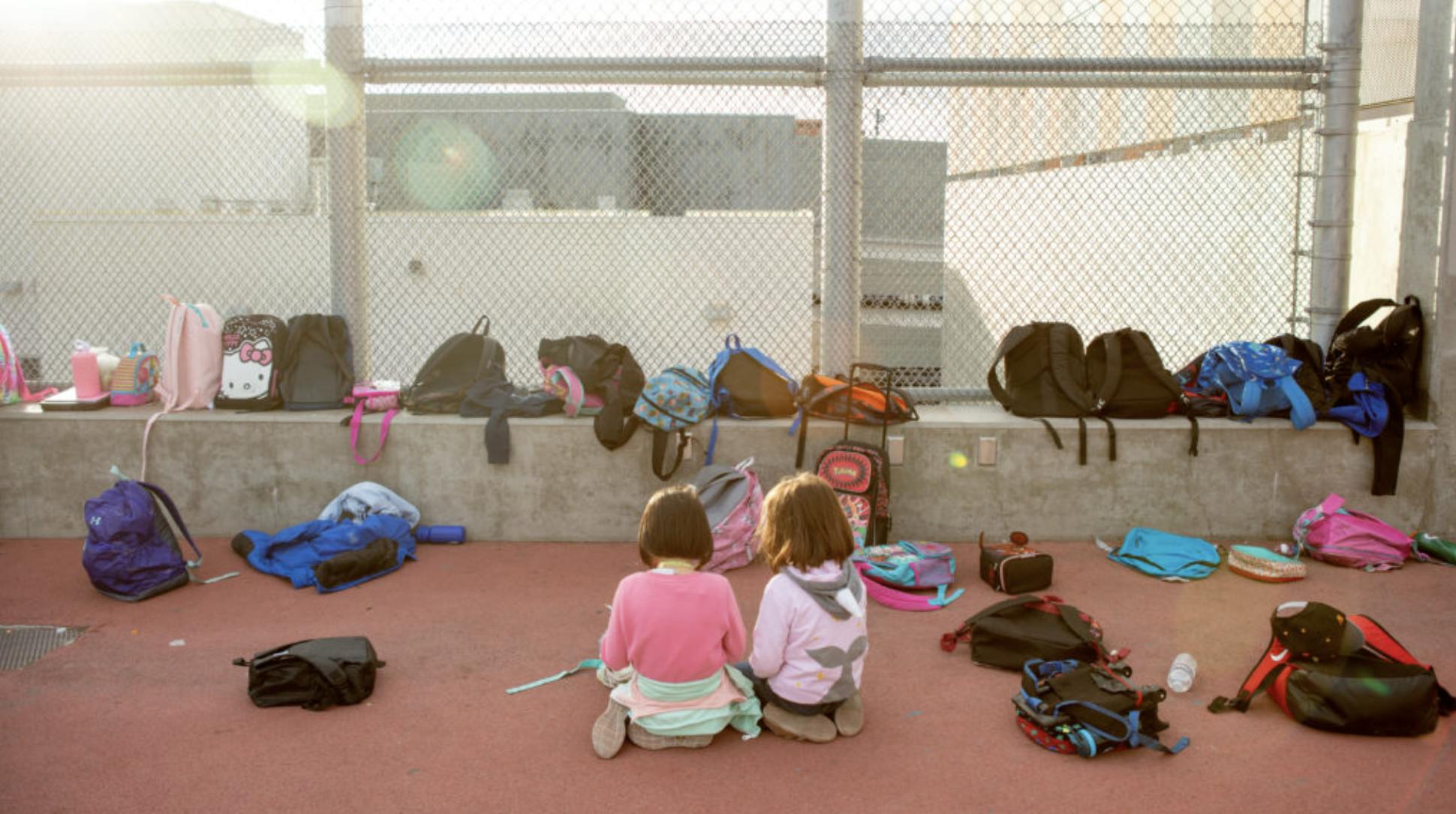
While the nation buzzes about expanding access to preschool for every four-year-old, a more foundational, yet less heralded, policy debate is quietly gaining traction: making kindergarten a universal requirement for all students. For decades, a patchwork of state laws has left kindergarten enrollment a matter of parental choice in many parts of the country, a situation experts argue is increasingly out of step with the demands of modern education.
The Unseen Mandate: Why Kindergarten Matters More Than Ever
The shift in kindergarten's purpose is undeniable. Once a gentle introduction to the school environment focused on play and social development, today's kindergarten classrooms often incorporate more rigorous academic elements. This evolution underscores its critical role in identifying and nurturing essential social-emotional, language, and motor skills necessary for success in elementary school.
Numerous studies highlight the profound, long-term benefits of kindergarten attendance, particularly for students from lower-income backgrounds and minority groups. These advantages extend beyond immediate academic gains, fostering crucial social development that can shape a child's entire educational trajectory.
Lawmakers advocating for mandatory kindergarten often point to these tangible benefits. For instance, in 2024, the superintendent of Detroit Public Schools Community District argued that a mandatory kindergarten policy could significantly reduce student absenteeism while simultaneously boosting academic achievement. Though this specific proposal did not pass in Michigan, the state simultaneously launched its ambitious "PreK for All" initiative, signaling a broader commitment to early childhood education.
"When any group of children is underserved, it's detrimental to both the child and the family," explains Christina Weiland, a professor of education and public policy. "But it also places a greater burden on teachers when students enter first grade already behind, requiring them to bridge a wider learning gap."
Navigating the Legal Landscape: A State-by-State Puzzle
The requirement for kindergarten varies significantly across the United States. Currently, only 20 states legally mandate that all children attend kindergarten. However, every state ensures that public schools offer kindergarten programs to students.
In states without a universal mandate, families can opt for private school or homeschooling. This has led to a slow but steady momentum for mandatory kindergarten over several decades, with recent legislative efforts in states like California, Michigan, New Jersey, and Louisiana. While New Jersey and Louisiana ultimately passed new laws, California's push faced a significant hurdle.
Even states that don't technically mandate kindergarten often have workarounds to ensure foundational readiness. In Florida, for example, while kindergarten isn't universally required, a student must have completed it to enroll in a public school first-grade classroom. New Jersey allows individual school districts to set their own requirements, leading to a mixed approach.
Alabama took a different route in 2024, enacting legislation that requires children who did not attend kindergarten to pass a "First Grade Readiness Assessment" to enroll directly into first grade. Those who fail the test must attend kindergarten. State Representative Pebblin Warren, a long-time proponent of this legislation, stated that the law aims to ensure students are truly prepared for first grade, leveling the playing field and potentially reducing future school retention issues.
The Cost Calculus: Balancing Investment and Impact
The financial implications of policy decisions weigh heavily on state leaders, especially as they navigate funding for early childhood education. The debate over mandatory kindergarten versus other popular early learning programs, like universal preschool, often comes down to perceived costs and benefits.
California's policy journey offers a compelling case study. Approximately 5% of families in the state, representing about 200,000 children, do not enroll their children in kindergarten. A 2024 bill aimed to make kindergarten attendance legally mandatory before first grade, but it was vetoed by Governor Gavin Newsom, citing an annual cost of $268 million.
Instead, California expanded its transitional kindergarten program, effectively serving as universal pre-K for four-year-olds, with a proposed $1.8 billion in additional funding in the most recent budget. This highlights a common tension: the immediate financial outlay for mandates versus the potential for long-term societal gains.
"Sometimes the argument against it is, 'Oh, it costs a lot and the effects fade'," notes Emma Garcia, a principal researcher at the Learning Policy Institute. "But we must consider what society gains from that early investment."
Beyond financial costs, there are also political considerations. "Offering a service tends to be fairly popular; requiring it tends to be less so," observes Sarah Novicoff, a research fellow at the Public Policy Institute of California. "It boils down to priorities and what a state believes will create the most impactful change, and there are trade-offs with all these decisions."
The Parental Choice Conundrum
The current political climate often emphasizes "parental choice," both ideologically and through mechanisms like school vouchers. This sentiment can create headwinds for educational mandates.
"Family choice has always been embedded in any child care policy," says Jade Jenkins, an associate professor of education. "With the prevailing conservative sentiment favoring parental and educational choice for school-aged children, nationalizing or implementing any kind of early childhood educational mandates becomes more challenging."
This emphasis on choice can sometimes obscure the perceived value of kindergarten itself. In California, for instance, data reveals that one in three kindergarten students were chronically absent, missing 10% or more of the school year. This suggests that even when kindergarten is available, its importance may not be fully recognized by all families.
The availability of half-day programs in many areas further complicates the issue. According to the Education Commission of the States, only 16 states and Washington D.C. mandate all-day kindergarten options. For working parents, this often necessitates arranging and paying for additional childcare, creating an access barrier.
"It's not just about parent choice: They offer half-day programs, and you often have to pay for full-day care, which is a real access problem where policies could make a difference," Weiland points out. "A push toward offering full-day kindergarten is probably more meaningful, especially from an equity perspective."
Synergies and Setbacks: The Interplay of Pre-K and Kindergarten
Interestingly, the policy goals of expanding universal pre-K and mandating kindergarten may ultimately lead to similar positive outcomes. Some experts believe that increased access to pre-K can effectively guide students onto the public school track earlier.
"I've never heard of implementing universal pre-K and then not kindergarten; that's not a common path, at least," Weiland notes. This is particularly evident in areas where universal preschool programs are integrated within public school settings, as seen in Washington, D.C., and Boston.
In such integrated systems, students are more likely to remain within the public school system. This can be a significant factor in addressing enrollment challenges that many schools have faced since the pandemic. While enrollment rates for five-year-olds remain high nationally at 84%, they have seen a decline post-pandemic, dropping by 6% between 2019 and 2021.
Education leaders are also concerned about longer-term demographic shifts, such as declining birth rates, which are projected to impact school enrollment. For schools funded on a per-pupil basis, shrinking student populations translate directly to reduced funding.
States like Vermont, Maine, and West Virginia have already experienced significant enrollment dips, leading to school closures. "We are facing school enrollment crises where birth cohorts are shrinking, and it doesn't make sound financial sense for kindergarten classrooms to be under-enrolled," Weiland states. "This situation could create political momentum to increase enrollment numbers."
For schools striving to remain operational, every additional kindergartener represents a crucial contribution to their sustainability. The ongoing conversation around early childhood education policy, therefore, must encompass not only the popular expansion of pre-K but also the fundamental importance of ensuring every child has access to a strong kindergarten foundation.







 Explore AI Teaching Tools
Comments (0)
Please login to comment
No comments yet
Be the first to comment on this article