
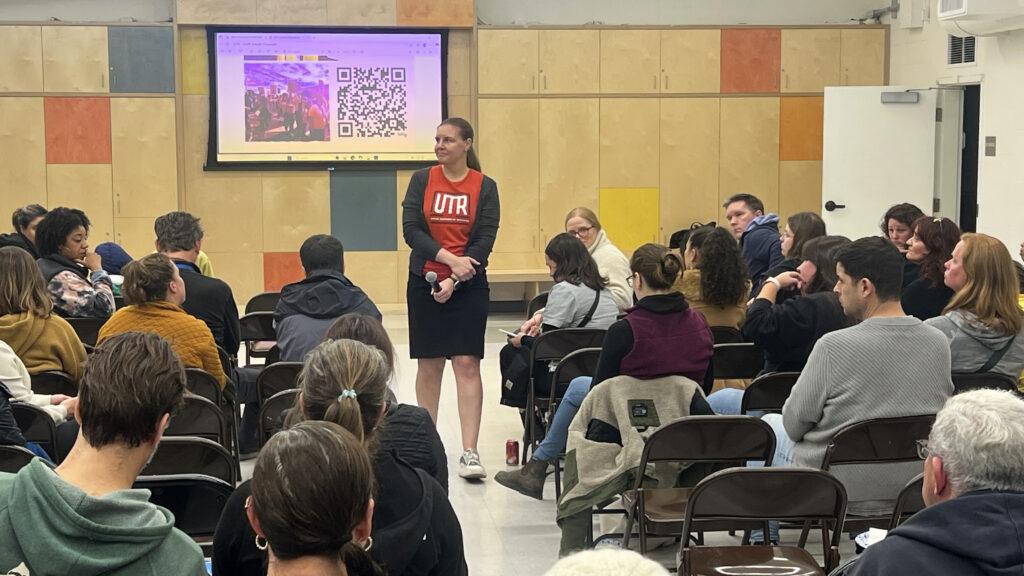
Navigating Teacher Negotiations: Insights from the West Contra Costa Unified Impasse
The landscape of education is constantly evolving, and with it, the vital relationship between school districts and their dedicated teachers.
When negotiations stall, the potential for disruption, like a threatened strike, can cast a shadow over the learning environment.
This article delves into the complexities of such impasses, using the recent situation in the West Contra Costa Unified School District as a lens to understand the broader challenges facing educators and districts across the nation.
Discover the critical factors at play and gain insights into fostering more productive dialogue for the benefit of students and staff alike.
1.
The Anatomy of a Teacher Negotiation Impasse
At its core, a teacher negotiation impasse occurs when a school district and its teachers' union reach a deadlock in discussions regarding collective bargaining agreements.
These agreements typically cover crucial aspects such as compensation, benefits, working conditions, and professional development.
When both parties cannot find common ground, the situation can escalate, potentially leading to significant disruptions within the school system.
Understanding the underlying causes of these impasses is the first step toward finding resolutions.
Factors Contributing to Negotiation Stalemate
- Financial Constraints: Declining enrollment, rising operational costs, and state funding fluctuations can place immense pressure on district budgets, limiting the scope for salary increases and enhanced benefits.
- Compensation and Benefits Discrepancies: Teachers often seek compensation that reflects the rising cost of living and the value of their profession, while districts may struggle to meet these demands within their financial limitations.
- Special Education Service Delivery: The provision of specialized services for students with disabilities is a complex and often costly area.
Disagreements can arise over how these services are funded and delivered, particularly concerning the use of external contractors versus in-house staff.
- Differing Interpretations of Financial Health: Unions and district administrations may hold vastly different views on the financial stability of the district, leading to conflicting proposals and a lack of trust.
- Contractual Deadlines and External Pressures: The looming threat of a strike, often a last resort for unions, can create a sense of urgency but also heighten tensions, making compromise more challenging.
2.
Case Study: West Contra Costa Unified and the Union's Stance
The West Contra Costa Unified School District, serving a diverse community in the San Francisco Bay Area, has recently navigated a challenging negotiation period with its teachers' union, the United Teachers of Richmond.
This situation highlights many of the common pressures and disagreements that can lead to an impasse.
The union has voiced strong demands for increased compensation and improved benefits, arguing that current pay does not keep pace with the cost of living in California.
They have also raised concerns about the district's spending on external contracts for special education services, suggesting these funds could be redirected to support teachers directly.
Key Demands from the Teachers' Union
- Significant Salary Increases: The union has advocated for substantial annual pay raises over a two-year period to address the erosion of purchasing power due to inflation and the high cost of living.
- Enhanced Health Benefits: Improvements to the district's contribution towards health insurance premiums are a critical component of the union's demands, aiming to reduce the financial burden on educators.
- Re-evaluation of Special Education Spending: Union leaders have questioned the extensive use of outside vendors for special education, proposing that these resources be reallocated to support in-house staff and improve teacher compensation.
3.
The District's Perspective: Balancing Needs and Fiscal Responsibility
District administrators in West Contra Costa Unified, like those in many other school systems, face the difficult task of balancing the needs of their educators with the imperative of maintaining fiscal solvency.
The district has pointed to declining enrollment and rising operational costs as significant financial pressures.
They argue that meeting the union's salary demands would necessitate substantial budget cuts in other essential areas, potentially jeopardizing the district's ability to provide a full range of educational services.
District's Financial Realities and Concerns
- Structural Deficits: The district has indicated it is operating with a structural deficit, meaning expenses consistently exceed revenue, making it challenging to fund increased personnel costs.
- Depleting Reserves: Reliance on special reserves to close budget gaps is a temporary solution, and the depletion of these funds poses a long-term financial risk.
- Cost of Special Education Services: While the union questions the necessity of certain external contracts, the district maintains that hiring specialized staff to meet the immediate needs of students with disabilities is often a logistical challenge due to shortages in qualified personnel.
- Impact of Proposed Increases: The district has calculated that implementing the union's proposed salary increases would add millions of dollars to its annual deficit, requiring difficult budgetary decisions.
4.
The Role of Fact-Finding Panels and Mediation
When direct negotiations reach an impasse, external intervention can be crucial.
In California, the Public Employment Relations Board (PERB) can appoint fact-finding panels to help mediate disputes.
These panels review the arguments and financial data from both sides and issue recommendations.
While these recommendations are not binding, they can serve as a neutral basis for further negotiation and can help bridge the gap between the parties.
Understanding the Fact-Finding Process
- Neutral Arbitrators: Fact-finding panels typically consist of neutral arbitrators appointed by PERB, tasked with impartially evaluating the proposals and financial situations of both the district and the union.
- Recommendations for Resolution: The panel's report often includes proposed solutions for contested issues, such as recommended wage increases or adjustments to benefit contributions.
- Basis for Further Negotiation: While the recommendations may not fully satisfy either party, they can provide a framework for continued dialogue and a potential path toward a mutually agreeable settlement.
- Dissenting Opinions: It is not uncommon for representatives of the union or the district on the panel to issue dissenting opinions, reflecting the ongoing divergence of perspectives.
5.
Broader Implications for California Schools
The challenges faced by West Contra Costa Unified are not isolated.
Studies indicate that numerous school districts across California are grappling with similar negotiation impasses.
Factors such as declining student enrollment, escalating costs for essential services like healthcare and liability insurance, and the state's funding formulas contribute to a difficult financial environment for many districts.
This creates a precarious situation for attracting and retaining qualified teachers, impacting the overall quality of education.
Statewide Trends and Pressures
- Widespread Impasses: Beyond West Contra Costa Unified, several other districts have reported reaching impasses in their negotiations with teacher unions, signaling a systemic issue.
- Contract Expirations: Many school districts are facing contract expirations, increasing the likelihood of further negotiation challenges and potential strike threats in the coming years.
- Rising Fixed Costs: Districts are experiencing annual increases in fixed costs for non-salary expenses, such as insurance and maintenance, which outpace the cost-of-living adjustments provided by the state.
- Teacher Recruitment and Retention Crisis: The inability of districts to offer competitive compensation and benefits exacerbates the existing challenges in recruiting new teachers and retaining experienced educators, a critical concern for the future of the profession.
6.
Strategies for Collaborative Problem-Solving
Resolving teacher negotiation impasses requires a commitment to collaboration and a willingness to explore innovative solutions.
While the immediate focus might be on salary and benefits, a comprehensive approach that addresses underlying issues and fosters mutual understanding is essential for long-term stability.
Pathways to Constructive Agreements
- Transparent Financial Communication: Open and honest dialogue about the district's financial situation, including detailed budget breakdowns and projections, can build trust and help both parties understand the constraints.
- Creative Compensation Models: Exploring alternative compensation structures, such as performance-based incentives, professional development stipends, or housing assistance programs, might offer flexibility beyond traditional salary increases.
- Shared Responsibility for Special Education: Developing collaborative strategies for special education service delivery, involving input from teachers, administrators, and specialists, could lead to more efficient and effective solutions.
- Focus on Shared Goals: Emphasizing the common objective of providing high-quality education for all students can help shift the focus from adversarial bargaining to collaborative problem-solving.
- Investing in Professional Development: Supporting teachers' professional growth through robust training and development opportunities can enhance their skills and job satisfaction, contributing to a more positive work environment.
- Community Engagement: Involving parents and the wider community in discussions about educational priorities and financial challenges can foster broader support and understanding.
Conclusion
The recurring challenges in teacher negotiations, as exemplified by the situation in West Contra Costa Unified, underscore the complex interplay of financial realities, professional aspirations, and the fundamental goal of providing excellent education.
While the threat of a strike is a serious concern, it also serves as a critical reminder of the vital role teachers play and the need for districts to engage in transparent, collaborative, and forward-thinking dialogue.
By understanding the multifaceted factors at play and embracing strategies for shared problem-solving, school districts and teacher unions can work towards agreements that benefit students, support educators, and strengthen the educational fabric of their communities.






 Explore AI Teaching Tools
Comments (0)
Please login to comment
No comments yet
Be the first to comment on this article