
Malaysia Pivots: From 'Smart' Tech to 'Wise' Cities for Sustainable Urban Future
In a significant policy shift, Malaysia is moving beyond the purely technological focus of "smart cities" to embrace a more holistic "wise cities" approach. This evolution aims to embed deeper principles of sustainability, equity, and long-term well-being into the fabric of its rapidly expanding urban landscapes.
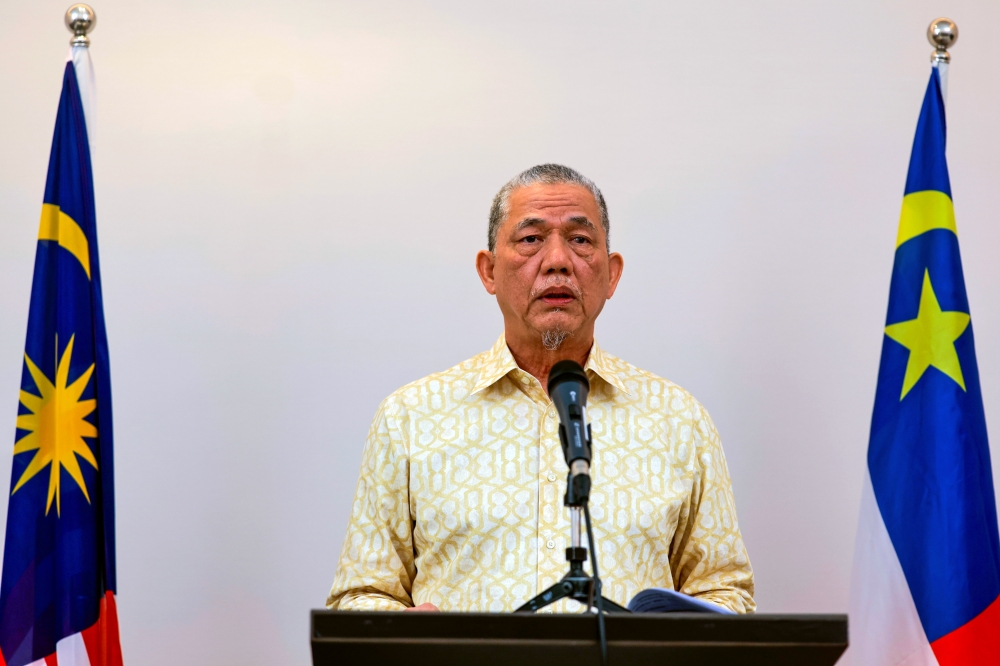
Deputy Prime Minister Datuk Seri Fadillah Yusof recently articulated this vision, emphasizing that true urban advancement requires more than just digital infrastructure. It demands judicious decision-making that balances immediate needs with the enduring health of both the environment and its inhabitants.
The Evolution from Smart to Wise
The concept of a "wise city" signifies a maturation of urban planning thought. It acknowledges that while technology can be a powerful tool, it is not the sole determinant of a thriving metropolis.
Instead, a wise city prioritizes sound judgment in development. This means carefully weighing economic growth against environmental preservation, ensuring efficiency doesn't come at the cost of inclusivity, and fostering innovation with a strong sense of responsibility.
“A wise city is one that exercises sound judgment, balancing growth with sustainability, efficiency with inclusivity, and innovation with responsibility,” Fadillah stated, underscoring the multifaceted nature of this new urban paradigm.
Addressing the Urban Imperative in Malaysia
Malaysia finds itself at a critical juncture, with nearly 80 percent of its population now residing in urban areas. This demographic reality places immense pressure on existing infrastructure and resources.
The challenge is to manage this relentless expansion in a way that is both sustainable and equitable for all citizens. Urban development can no longer be viewed solely through the lens of physical expansion or economic output.
It must be understood as a continuous commitment to improving the quality of life for current residents, while simultaneously safeguarding the planet's resources for future generations. This requires a fundamental reorientation of planning and governance across all cities.
Cities as Catalysts for Net-Zero Goals
Urban centers are pivotal in Malaysia's ambitious commitment to achieving net-zero carbon emissions by 2050. These densely populated areas are significant consumers of energy, making them key targets for decarbonization efforts.
Achieving this goal necessitates a concerted, multi-pronged strategy. This includes the widespread integration of renewable energy sources, significant improvements in energy efficiency across all sectors, and the adoption of sustainable building practices.
The recent enactment of the Energy Efficiency and Conservation Act 2024 marks a crucial step forward. However, its true impact will hinge on effective implementation at the local level, ensuring that policies translate into tangible action within individual cities.
The Pillars of Wise Urban Governance
The success of any city, whether smart or wise, ultimately rests on its governance and management. How effectively urban assets are utilized and how well plans are translated into meaningful outcomes for the populace are paramount.
This requires robust coordination among all levels of government, fostering seamless collaboration between federal, state, and local authorities. Equally important are strong, meaningful partnerships with the private sector and active engagement with local communities.
These collaborations are essential for pooling resources, sharing expertise, and ensuring that urban development initiatives are aligned with the needs and aspirations of the people they serve.
Fostering Regional Collaboration for Shared Challenges
Malaysia remains steadfast in its commitment to strengthening regional cooperation, particularly within the ASEAN bloc. The shared challenges of climate change and rapid urbanization demand collaborative solutions that transcend national borders.
Issues such as environmental degradation, resource scarcity, and the need for resilient infrastructure are not confined to individual nations. Therefore, the development of effective strategies must be a collective endeavor.
The recent Eastern Organisation for Planning and Human Settlements (EAROPH) World Congress, with its theme "City Assets for Community Gains," perfectly encapsulated this sentiment. It highlighted the critical importance of viewing urban assets not in isolation, but as interconnected systems that contribute to social well-being, economic resilience, and environmental sustainability across the Asia-Pacific region.
The congress brought together a diverse array of city leaders, policymakers, academics, and practitioners. This exchange of ideas and best practices is vital for advancing the shared goal of creating sustainable and inclusive human settlements for all.





 Explore AI Teaching Tools
Comments (0)
Please login to comment
No comments yet
Be the first to comment on this article