
Beyond Dates and Names: How a Content-Rich History Curriculum Could Reshape Student Learning
In an era where reading comprehension scores are a persistent concern, a surprising ally is emerging from the annals of education: history itself. Far from being a dry recitation of facts, a robust understanding of the past, woven into the fabric of daily lessons, may hold the key to unlocking deeper learning for students across the board.
The Knowledge Gap: Why History Matters More Than Ever
For decades, a gradual erosion of time and resources dedicated to subjects like history, geography, and civics has taken hold in many schools. This shift, often driven by an intense focus on standardized testing in core subjects, has inadvertently created a knowledge deficit.
Matthew Levey, a passionate advocate for content-rich education and a co-founder of the Knowledge Matters Campaign, has witnessed this trend firsthand. His journey into championing this approach began not in a policy seminar, but at a parent-teacher conference for his daughter.
“Her history teacher gave an awful description of the materials they were using and froze in fear when my wife asked whether the class would be discussing the ongoing presidential race,” Levey recalls. This experience, coupled with conversations with like-minded educators, sparked a determination to seek out and promote curricula that truly engage students with the past.
Building Blocks of Understanding: The Power of Narrative
Levey and the Knowledge Matters Campaign firmly believe that history is best understood as a story. This narrative approach, grounded in cognitive science, posits that humans learn and retain information more effectively when it’s presented as a coherent sequence of events with characters, a beginning, a middle, and an end.
“Cognitive psychology tells us that humans learn effectively through stories,” Levey explains. “We remember information more easily when it is tied to a narrative with characters and a beginning, middle, and end. History is naturally suited to this kind of learning.”
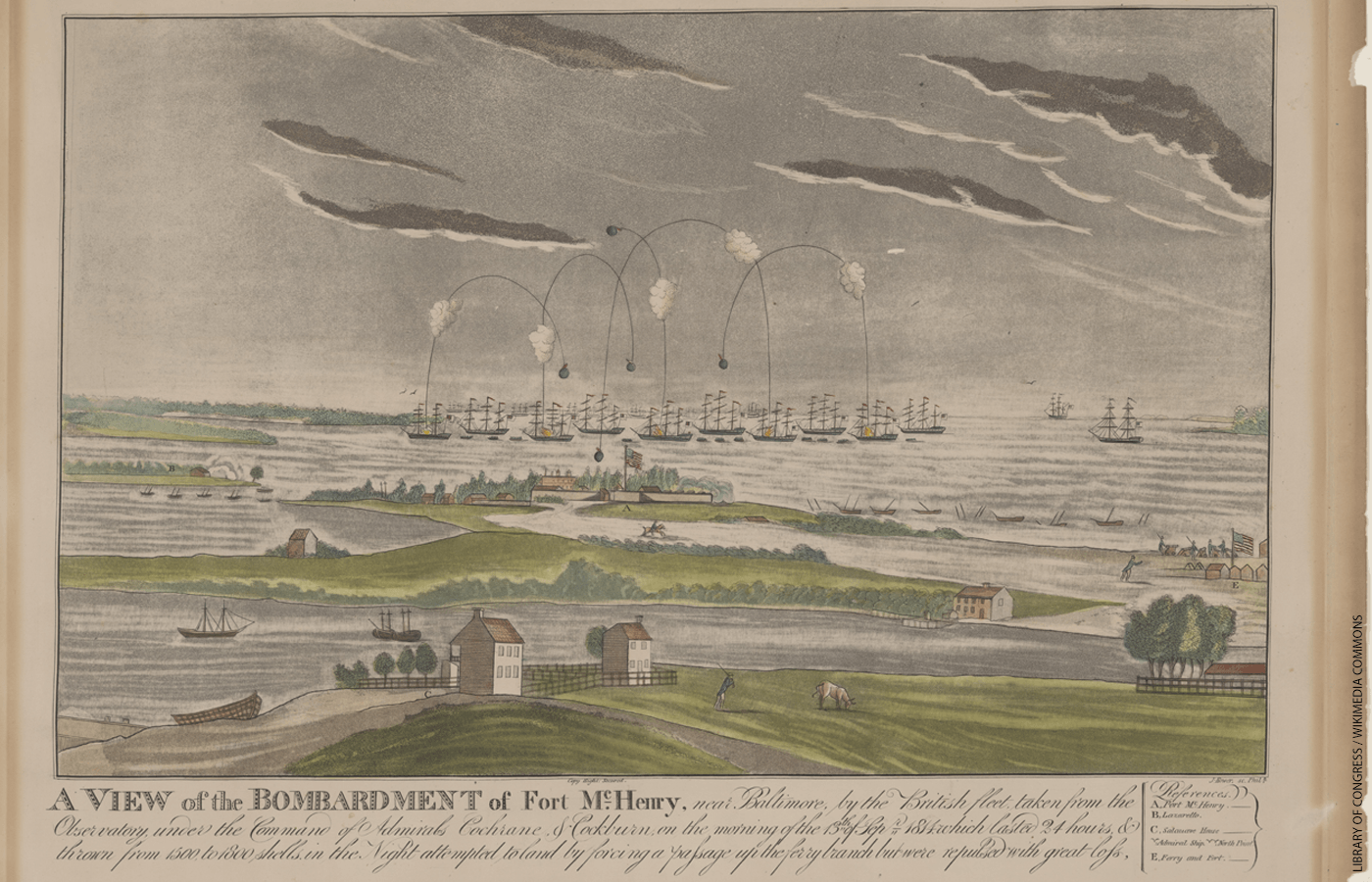
This means moving beyond isolated facts and disconnected topics. Instead, a strong history curriculum builds knowledge cumulatively, grade by grade. For instance, a 5th-grade lesson on the War of 1812 can powerfully connect to earlier discussions about the early American republic, reinforcing prior learning and creating a more meaningful understanding.
The History Matters Review Tool: A Compass for Quality
Identifying truly high-quality instructional materials can be a daunting task for district leaders, teachers, and even engaged parents. To address this challenge, the Knowledge Matters Campaign has launched the History Matters Review Tool.
This rubric, developed by a collaborative team of historians, curriculum experts, classroom teachers, and learning scientists, provides a practical framework for evaluating history curricula. It asks critical questions about whether materials present history as a coherent narrative, ensure knowledge builds progressively across grade levels, and offer robust support for teachers.
“The tool sets a vision for great history instruction and provides practical evaluation criteria grounded in classroom experience and learning science,” Levey states. It aims to move the conversation beyond superficial elements like visual appeal or the sheer number of activities, focusing instead on the depth and coherence of the historical content itself.
Who Benefits from the Review Tool?
- State and District Leaders: The tool offers a structured way to sift through numerous curriculum options, helping them prioritize materials that foster genuine historical understanding.
- Classroom Teachers: For educators often burdened with supplementing thin or disconnected curricula, the tool can help identify resources that provide a solid foundation, freeing them to focus on facilitating student discussion and critical thinking.
- Parents: The rubric empowers parents to ask more informed questions about their children's learning and to better understand the quality of the materials their students encounter.
Bridging the Civics Divide Through Historical Knowledge
The current state of civics education, like history, is also a cause for concern, with national assessments revealing significant gaps in student knowledge. Levey argues that civics is most effectively learned through the lens of history.
“Civics becomes meaningful when students understand how institutions and ideas developed over time,” he explains. Concepts like representative government or constitutional rights didn't emerge spontaneously; they are the product of centuries of debate, conflict, and compromise.
By teaching civics through historical narratives, students can grasp the origins and evolution of democratic principles. This approach moves civics from an abstract set of rules to a living, breathing aspect of society shaped by human action and historical context.
“Teaching civics through current events without historical context can drift into propagandizing, particularly in the youngest grades,” Levey cautions. “History provides the foundation that allows students to understand our present debates in light of the past.”
Addressing Ideological Concerns with Substance
Discussions around history and civics education are often fraught with concerns about ideological slant. The Knowledge Matters Campaign believes its approach offers a path toward common ground.
The History Matters Review Tool focuses on objective criteria: whether a curriculum presents accurate narratives, draws on primary sources, and introduces students to the pivotal people and events that have shaped the nation and the world. These are questions that can unite educators and parents across the political spectrum.
“Polling consistently shows that parents across the political spectrum want students to learn about difficult topics like slavery and civil rights,” Levey notes. “The disagreement is often about how those topics are framed and taught. The tool gives everyone a shared framework so those conversations can focus on the quality of learning.”
A Practical Solution for a Pressing Problem
Many initiatives aimed at improving civics and history education have come and gone with limited impact. Levey believes the Knowledge Matters Campaign’s approach offers a more sustainable and effective path forward.
“Scolding students and teachers for not knowing the names of the nine Supreme Court justices or whether the phrase ‘checks and balances’ appears in the Constitution is not an effective way to teach civics,” he states. Furthermore, many past civics initiatives were dismissed as purely political.
What sets this initiative apart is its grounding in research that demonstrates the direct impact of history and civics instruction on reading comprehension. By framing these subjects as a solution to the pressing problem of declining literacy, the campaign aims to garner broader support and achieve lasting change.
The Educator's Edge: Identifying Rich Curricula
For educators seeking to elevate their history instruction, Levey offers a clear piece of advice: "Look closely at what students will read and discuss over the course of a year."
Strong curricula are characterized by a clear, sequential progression of events and ideas that build from one lesson to the next. Students should encounter meaningful narratives supported by relevant primary sources, fostering an understanding of how the past unfolded.
When this coherent structure is in place, classrooms transform. Students become more engaged, asking probing questions about cause and effect. Conversely, a lack of this narrative foundation can leave history feeling like a disjointed collection of unrelated facts.
Ultimately, the goal is to equip students with the historical knowledge and critical thinking skills necessary not only to excel academically but also to become informed and engaged citizens. By reinvesting in content-rich history and civics education, schools can lay a vital foundation for a more literate and democratic future.






 Explore AI Teaching Tools
Comments (0)
Please login to comment
No comments yet
Be the first to comment on this article