
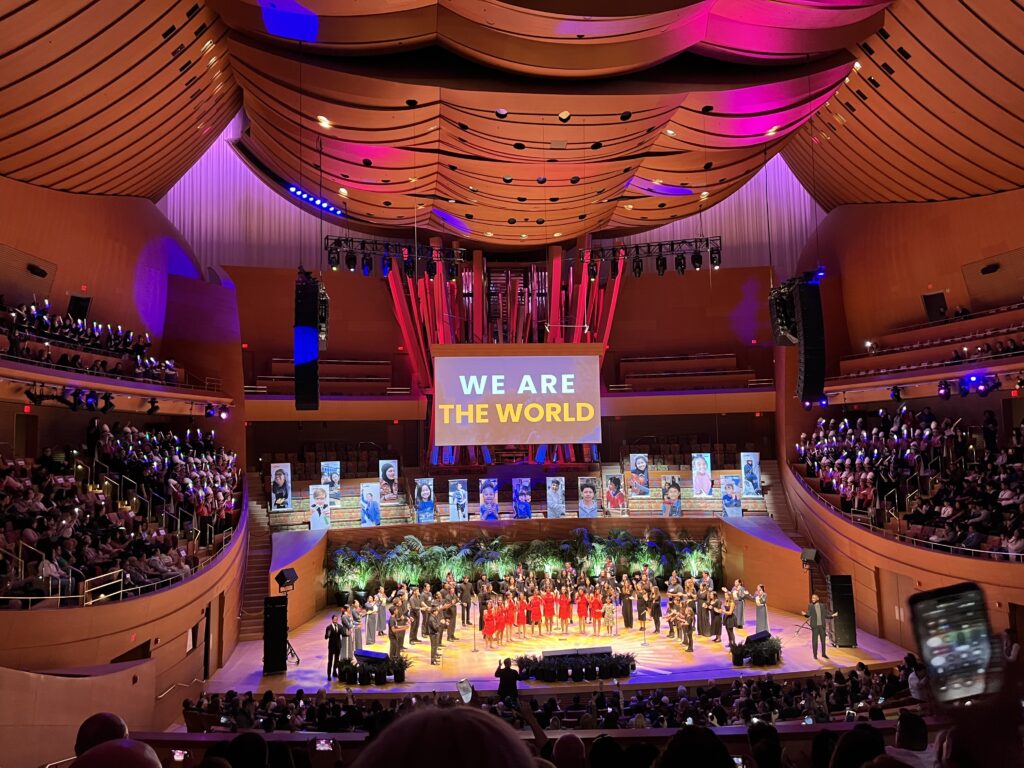
Transforming Learning: How High-Dosage tutoring is Reshaping Student Success
The landscape of education is constantly evolving, and recent developments highlight a powerful shift towards personalized, high-impact learning interventions.For students navigating academic challenges, especially those impacted by disruptions like the pandemic, the promise of targeted support is more crucial than ever.
This article delves into a significant educational settlement, exploring its implications for over 100,000 students and offering insights into the effectiveness of high-dosage tutoring as a cornerstone of modern learning strategies.
We will examine the critical components of this initiative and how it aims to bolster academic achievement for all students.
The Genesis of a Landmark Educational Settlement
A pivotal moment in educational advocacy has emerged from a class-action lawsuit filed against the Los Angeles Unified School District (LAUSD).This legal action stemmed from concerns that the district's approach to online learning during the COVID-19 pandemic was insufficient and potentially discriminatory, particularly impacting Black and Latino students, as well as those from economically disadvantaged backgrounds.
The core of the lawsuit argued that during a critical period, the district failed to provide equitable educational opportunities, leading to significant learning disparities.
Research consistently shows that consistent, quality instruction is paramount, and the pandemic presented unprecedented challenges to delivering that.
The lawsuit detailed how, during the initial phase of remote learning in the spring of 2020, a substantial portion of LAUSD students—reportedly only 60%—participated in virtual learning.
This statistic underscored a significant gap in engagement and access.
Rather than bridging this divide, the lawsuit alleged that the district's response involved measures that further hampered learning, such as reducing teacher work time and instructional hours, eliminating student assessments, and failing to ensure adequate technological access for all students.
The claim was that the district did not adequately re-engage the 40% of students who were not participating in online instruction, exacerbating existing inequalities.
Furthermore, the suit highlighted a perceived lack of responsiveness from the district to requests from parents and community organizations seeking remedies for these educational harms.
The subsequent distance learning plan, introduced in August 2020, was also criticized for not adequately addressing the failures of the earlier plan.
The plaintiffs emphasized that live, interactive instruction is the most effective method for student learning and that a reduction in such opportunities, as allegedly occurred during the pandemic, would inevitably lead to learning loss that would be difficult to overcome.
Studies indicate that a significant decrease in instructional time can have long-term negative effects on academic progress.
Unpacking the High-Dosage Tutoring Mandate
At the heart of the settlement is a commitment to providing extensive, high-dosage tutoring for over 100,000 students.This initiative is designed to offer a substantial amount of individualized or small-group academic support over the next three academic years.
The structure of this tutoring is meticulously defined to maximize its impact, moving beyond traditional, less frequent interventions.
The settlement mandates that this high-dosage tutoring commence immediately and continue for three years.
The program is structured around frequent, short sessions: 30-minute sessions offered three times each week.
This frequency is a critical element, as research suggests that consistent, regular exposure to targeted instruction is far more effective than sporadic or less frequent interventions.
The goal is to create an intensive learning experience that directly addresses individual student needs and reinforces classroom curriculum.
Beyond the core tutoring component, the settlement outlines a comprehensive suite of support mechanisms aimed at holistic student development and academic recovery.
These include:
- Small Group Interventions: Targeted support sessions designed to address specific academic areas, particularly literacy and numeracy, offered outside of regular school hours.
- Regular Assessments: Biannual assessments in English Language Arts and Mathematics will be conducted to identify students requiring additional academic support and to track their progress.
- Teacher Professional Development: Essential training for educators in Mathematics, English Language Arts, and Multi-Tiered Systems of Support (MTSS).
MTSS is a framework that integrates academic, behavioral, and social-emotional support to ensure all students can thrive.
- Student and Family Outreach: Enhanced efforts to re-engage students who have been chronically absent and to ensure families are connected to available resources.
- Extended Summer School: Continued provision of summer school programs through 2028 to offer additional learning opportunities.
- Public Reporting: Transparent reporting on student grades, tutoring participation, assessment results, and absenteeism rates.
- Program Evaluation: Annual evaluations of tutoring program effectiveness, with findings publicly reported to ensure accountability and continuous improvement.
The emphasis on data collection and public reporting underscores a commitment to transparency and evidence-based practice in educational interventions.
The Science Behind High-Dosage Tutoring
The emphasis on "high-dosage" tutoring in this settlement is not arbitrary; it's rooted in extensive educational research.Studies consistently indicate that high-impact tutoring, characterized by its frequency, intensity, and alignment with curriculum, is one of the most effective strategies for accelerating student learning and closing achievement gaps.
Research shows that the effectiveness of tutoring is directly correlated with its dosage – the amount and frequency of instruction a student receives.
Short, infrequent sessions are less likely to yield significant results compared to consistent, targeted support.
The 30-minute, thrice-weekly structure mandated by the LAUSD settlement aligns with best practices identified in numerous studies.
This model allows for:
- Deep Dive into Concepts: Frequent sessions provide ample opportunity to explore complex topics, address misconceptions, and reinforce learning without overwhelming the student.
- Personalized Feedback: Small group or one-on-one interactions enable tutors to provide immediate, tailored feedback, which is crucial for skill development and confidence building.
- Curriculum Alignment: Tying tutoring directly to classroom curriculum ensures that students are reinforcing what they are learning in school, making the support immediately relevant and actionable.
- Progress Monitoring: Regular contact allows tutors to closely monitor student progress, identify areas of struggle early, and adjust their approach accordingly.
This ensures that tutoring resources are directed where they are most needed and that their impact can be rigorously measured.
The integration of Multi-Tiered Systems of Support (MTSS) also signifies a commitment to addressing the whole child, recognizing that academic achievement is intertwined with social-emotional well-being and behavioral support.
Addressing Learning Loss and Equity
The COVID-19 pandemic created unprecedented disruptions to education globally, leading to what many experts describe as significant learning loss.Students, particularly those from vulnerable communities, experienced a disproportionate impact due to factors such as limited access to technology, unstable home learning environments, and the inherent challenges of remote instruction.
The LAUSD lawsuit and its subsequent settlement represent a critical effort to address these disparities and ensure that all students have the opportunity to catch up and thrive.
The settlement's focus on high-dosage tutoring is a direct response to the need for accelerated learning.
By providing over 100,000 students with intensive support, the district aims to mitigate the long-term consequences of the pandemic-induced learning disruptions.
This proactive approach is vital for preventing students from falling further behind and for ensuring they are prepared for future academic challenges and opportunities.
Moreover, the lawsuit's emphasis on the discriminatory impact on Black and Latino students highlights the critical importance of equity in educational interventions.
The settlement's commitment to providing substantial tutoring hours to a broad base of students, especially those who may have been most affected, is a significant step towards rectifying past inequities.
Ensuring that all students, regardless of their background or circumstances, have access to high-quality academic support is a fundamental principle of educational justice.
The inclusion of outreach to chronically absent students and families also speaks to a broader strategy of re-engagement.
For students who may have disengaged from learning during the pandemic, targeted support and a renewed connection to the educational system are essential for their academic recovery.
This holistic approach recognizes that addressing learning loss requires not only academic intervention but also efforts to rebuild trust and engagement.
The Role of Technology and Teacher Training
While the settlement primarily focuses on direct student support, the underlying infrastructure and human capital are equally important.The lawsuit's mention of the district's failure to ensure access to technology underscores a critical lesson learned: equitable access to digital learning tools is a prerequisite for effective remote and hybrid education.
While this settlement doesn't explicitly detail technology investments, it implies a need for robust digital infrastructure to support learning initiatives, including tutoring platforms and assessment tools.
Crucially, the settlement mandates significant investment in teacher training.
Equipping educators with the skills and knowledge to implement effective tutoring strategies and to utilize frameworks like MTSS is paramount.
teachers are at the forefront of student learning, and their professional development is key to the successful execution of any educational reform.
Training in areas such as:
- differentiated instruction: Learning to tailor teaching methods to meet the diverse needs of students within small groups.
- Data Analysis: Understanding how to interpret assessment data to inform instructional decisions and personalize learning pathways.
- Social-Emotional Learning (SEL): Integrating SEL strategies to support students' well-being, which is intrinsically linked to academic success.
- Curriculum Integration: Effectively aligning tutoring content with the broader school curriculum to maximize transfer of learning.
The union's statement, while acknowledging the complexities of lawsuits, also highlights the importance of protecting educators' rights while aligning with student support goals, indicating a collaborative path forward.
Looking Ahead: Sustaining Educational Momentum
The LAUSD settlement represents a significant commitment to student success and a powerful example of how educational institutions can be held accountable for providing equitable learning opportunities.The long-term implications of this initiative will depend on its effective implementation and sustained commitment from the district and its stakeholders.
Experts in educational research, such as those involved with initiatives like the Stanford Graduate School of Education's National Student Support Accelerator, emphasize that high-impact tutoring is not just a temporary fix for pandemic-related learning loss.
Rather, it is a proven, evidence-based intervention that can and should be integrated into the educational system for the long run.
The goal is to create a sustainable model where students who need additional support can consistently receive it, ensuring they remain on track for academic achievement.
The settlement's emphasis on ongoing evaluation and public reporting is a critical component for ensuring accountability and continuous improvement.
By regularly assessing the effectiveness of tutoring programs and making the findings public, the district can identify what is working well and where adjustments are needed.
This transparency fosters trust and allows for data-driven decision-making to optimize student outcomes.
The broader impact of this lawsuit and settlement extends beyond the LAUSD district.
Many other districts and communities are closely watching these developments, recognizing the potential to hold their own educational institutions accountable for student learning.
This case serves as a powerful precedent, demonstrating that advocacy and legal action can drive meaningful change in educational policy and practice.
For parents and educators globally, the key takeaway is the undeniable power of targeted, consistent, and well-supported learning interventions.
As the educational landscape continues to evolve, embracing evidence-based strategies like high-dosage tutoring, coupled with a commitment to equity and continuous improvement, will be essential for unlocking the full potential of every student.
Mentofy is dedicated to supporting this mission by providing accessible, high-quality learning resources and platforms that empower students and educators alike.
Conclusion
The landmark settlement reached by the Los Angeles Unified School District (LAUSD) marks a significant turning point in the pursuit of educational equity and academic recovery.By mandating over 100,000 students receive 45 hours of high-dosage tutoring annually for three years, the district is making a substantial investment in its students' futures.
This initiative, born from a lawsuit highlighting concerns about pandemic-era online learning, underscores the critical importance of consistent, personalized academic support.
The structured approach, combining frequent, short sessions with comprehensive interventions and robust teacher training, aligns with extensive research demonstrating the effectiveness of high-impact tutoring.
This settlement not only aims to address learning loss but also serves as a powerful example of accountability and a catalyst for broader change, reinforcing the principle that every student deserves access to the high-quality learning opportunities necessary for success.






 Explore AI Teaching Tools
Comments (0)
Please login to comment
No comments yet
Be the first to comment on this article