
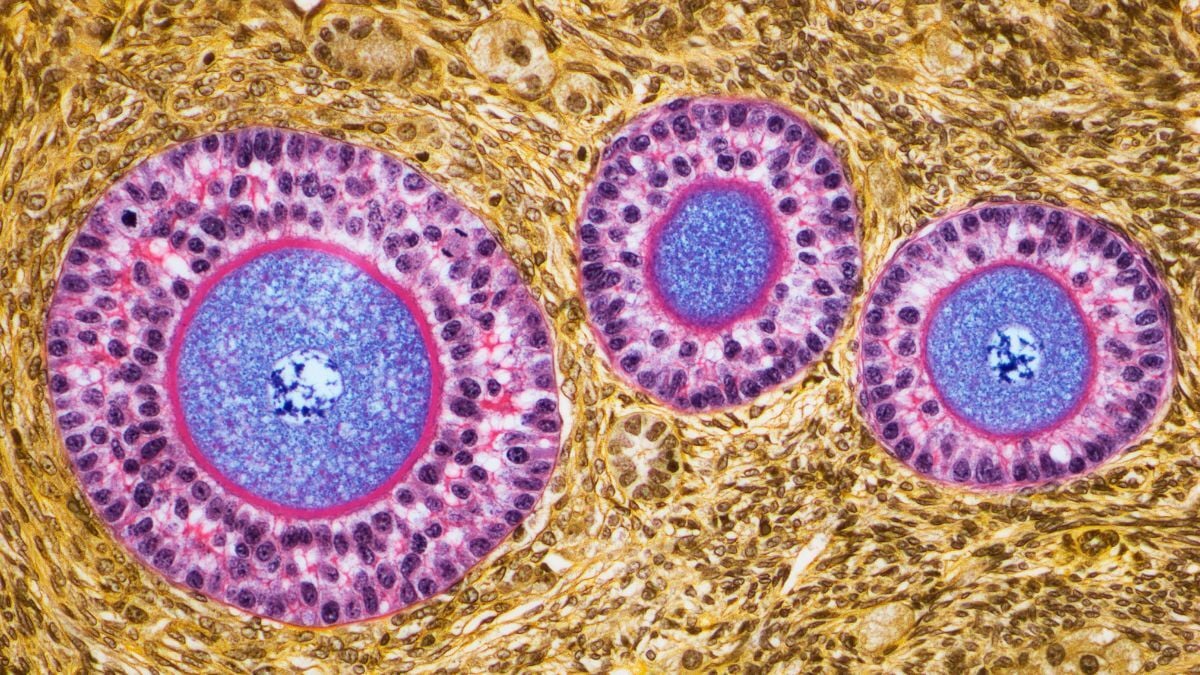
The human body, a marvel of biological engineering, continues to reveal its astonishing complexity, even in its later stages. Recent scientific discoveries are challenging long-held assumptions about the biological processes that occur after menopause, suggesting the ovaries, long thought to be primarily reproductive organs, may develop an incredible second role. This revelation has profound implications for how educators can approach discussions around health, aging, and the ongoing evolution of scientific understanding.
The Unfolding Story of Post-Menopausal Ovarian Function
For decades, the prevailing scientific narrative has been that the ovaries largely cease their primary endocrine function after menopause. This transition, marked by the cessation of menstruation, typically occurs between the ages of 45 and 55, signaling the end of a woman's reproductive years.
However, emerging research paints a more nuanced picture. It appears that even after the hormonal shifts of menopause, the ovaries retain a capacity for producing certain signaling molecules and engaging in cellular activities that can influence overall health in surprising ways. This ongoing biological activity suggests a more dynamic and less dormant state than previously understood.
A 2023 study published in the journal *Cellular Biology* indicated that specific cell types within the post-menopausal ovary remain metabolically active, producing peptides that could influence systemic inflammation and tissue repair.
This shift in understanding is not merely academic; it offers educators a powerful opportunity to engage students in the dynamic nature of scientific discovery. It underscores that scientific knowledge is not static but a continuously evolving field, where new evidence can fundamentally alter our perspectives.
Rethinking Health Education for a Changing Landscape
The traditional approach to health education often segments biological processes into distinct phases, with menopause representing a definitive endpoint for ovarian activity. This new research suggests that this view might be too simplistic, potentially overlooking critical aspects of long-term well-being.
Educators can leverage this information to foster a more holistic understanding of the human body. Instead of presenting menopause as an ending, it can be framed as a transition into a new phase of biological function, one that still involves intricate and potentially beneficial processes originating from the ovaries.
This is particularly relevant when discussing topics like aging, chronic disease prevention, and the importance of ongoing research into female health. It allows for a more empowering narrative, emphasizing that the body continues to adapt and maintain functions in ways we are only beginning to comprehend.
Engaging Students with the Science of Change
Introducing these complex biological concepts to students requires creative pedagogical approaches. Abstract scientific findings can be made more accessible and engaging through interactive methods.
For instance, educators can use MentofyCove classroom games like trivia or anagrams to introduce key terms and concepts related to endocrinology and cellular biology in a fun, low-stakes environment. This can spark curiosity and make the learning process more enjoyable.
Furthermore, the process of scientific discovery itself can be a powerful teaching tool. Discussing how researchers arrived at these new conclusions, the methods they used, and the challenges they faced can illustrate the scientific method in action. This can be facilitated using Mentofy AI teaching tools for dynamic lesson planning and the creation of engaging presentations.
Implications for Future Health and Wellness
The discovery of this incredible second role for post-menopausal ovaries opens up exciting avenues for future medical research and therapeutic interventions. Understanding these ongoing ovarian functions could lead to new strategies for managing age-related health conditions.
For educators, this means that the science curriculum is not just about memorizing facts but about understanding the process of scientific inquiry and its potential to improve human lives. It highlights the importance of continued investment in biological research, especially in areas that have been historically under-explored.
This evolving understanding also reinforces the need for comprehensive health education that extends beyond reproductive years, emphasizing lifelong wellness and the body's continuous, adaptive nature.
Actionable Insights for the Classroom
Here are some ways educators can integrate this new understanding into their teaching:
- Reframe the Narrative: Discuss menopause not as an end, but as a biological transition with ongoing, albeit different, functions.
- Introduce Key Concepts: Use age-appropriate language to explain terms like endocrine function, signaling molecules, and cellular activity.
- Highlight Scientific Inquiry: Showcase how scientific understanding evolves through new research and evidence.
- Promote Lifelong Health: Emphasize that health and well-being are continuous journeys, not destinations tied to specific life stages.
- Utilize Interactive Tools: Incorporate platforms that offer engaging ways to learn complex topics, such as MentofyCove classroom games or Mentofy AI teaching tools for lesson planning.
The evolving scientific understanding of the ovaries after menopause is a testament to the enduring mysteries of the human body. It serves as a powerful reminder for educators that the curriculum itself is a living document, constantly enriched by new discoveries that can inspire and inform the next generation.






 Explore AI Teaching Tools
Comments (0)
Please login to comment
No comments yet
Be the first to comment on this article