
AI in Schools: Are We Asking the Right Questions About the Human Factor?
As artificial intelligence rapidly reshapes industries, the education sector is grappling with a critical question: are we prioritizing the right aspects of technology adoption? The prevailing conversation often centers on what AI can *do* – its speed in generating content, its capacity for personalized practice, or its analytical power. However, a crucial element is being overlooked: what students truly *need* to cultivate essential critical thinking and analytical skills, and the irreplaceable role of human connection in that development.
The Unseen Curriculum: Beyond Data and Efficiency
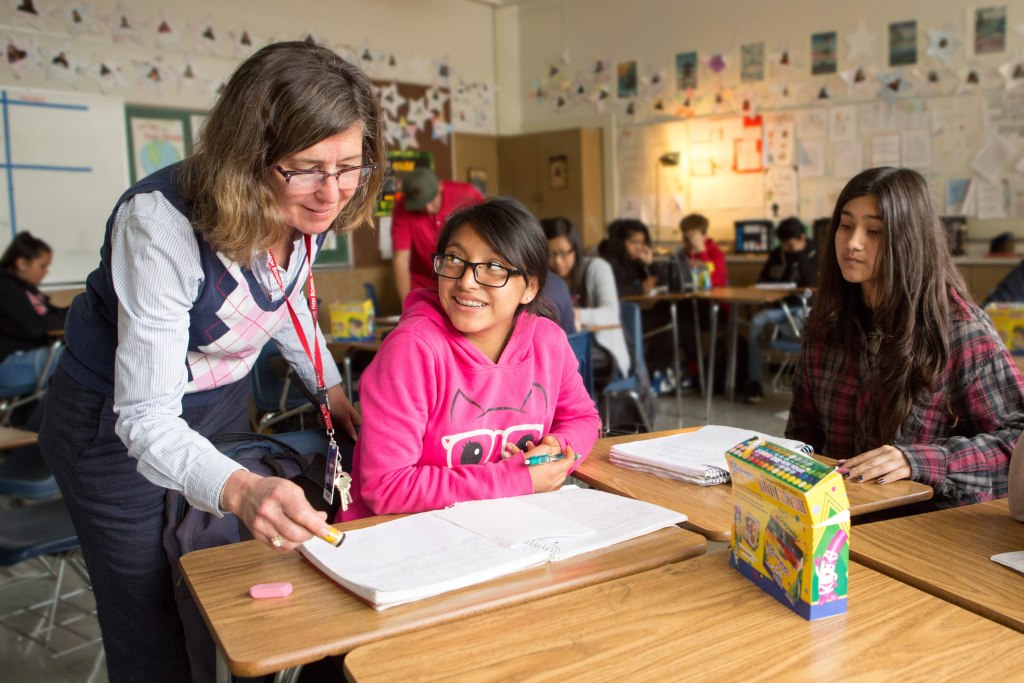
The learning journey for any student is far more than just accessing information or achieving peak efficiency. It is a deeply human endeavor, forged through interaction, trust, and responsiveness. Educators who understand this create environments where students feel safe to take risks, to stumble, and ultimately, to grow.
Consider the experience of a student with selective mutism. In many traditional settings, their voice may be silenced, making engagement a significant challenge. Yet, dedicated educators find inventive, often analog, ways to connect, fostering development through unwavering patience, consistent support, and genuine care. This dedication highlights that true learning is built on the steady presence of adults who can meet each student precisely where they are.
Navigating the Digital Deluge: A "Technopragmatic" Approach
As we integrate advanced technology, including AI, into K-12 education, a thoughtful approach is paramount. The goal should be to select tools and platforms that enhance, rather than diminish, our capacity for deep learning and community building. This means ensuring that the vital human core of education remains central, even as the landscape shifts.
The promise of digital advancements is undeniable. We can envision tools that streamline teacher workloads, offer real-time multilingual support, and provide adaptive practice tailored to individual needs. Data analysis can become more accessible, administrative burdens can lessen, and students can receive more personalized feedback.
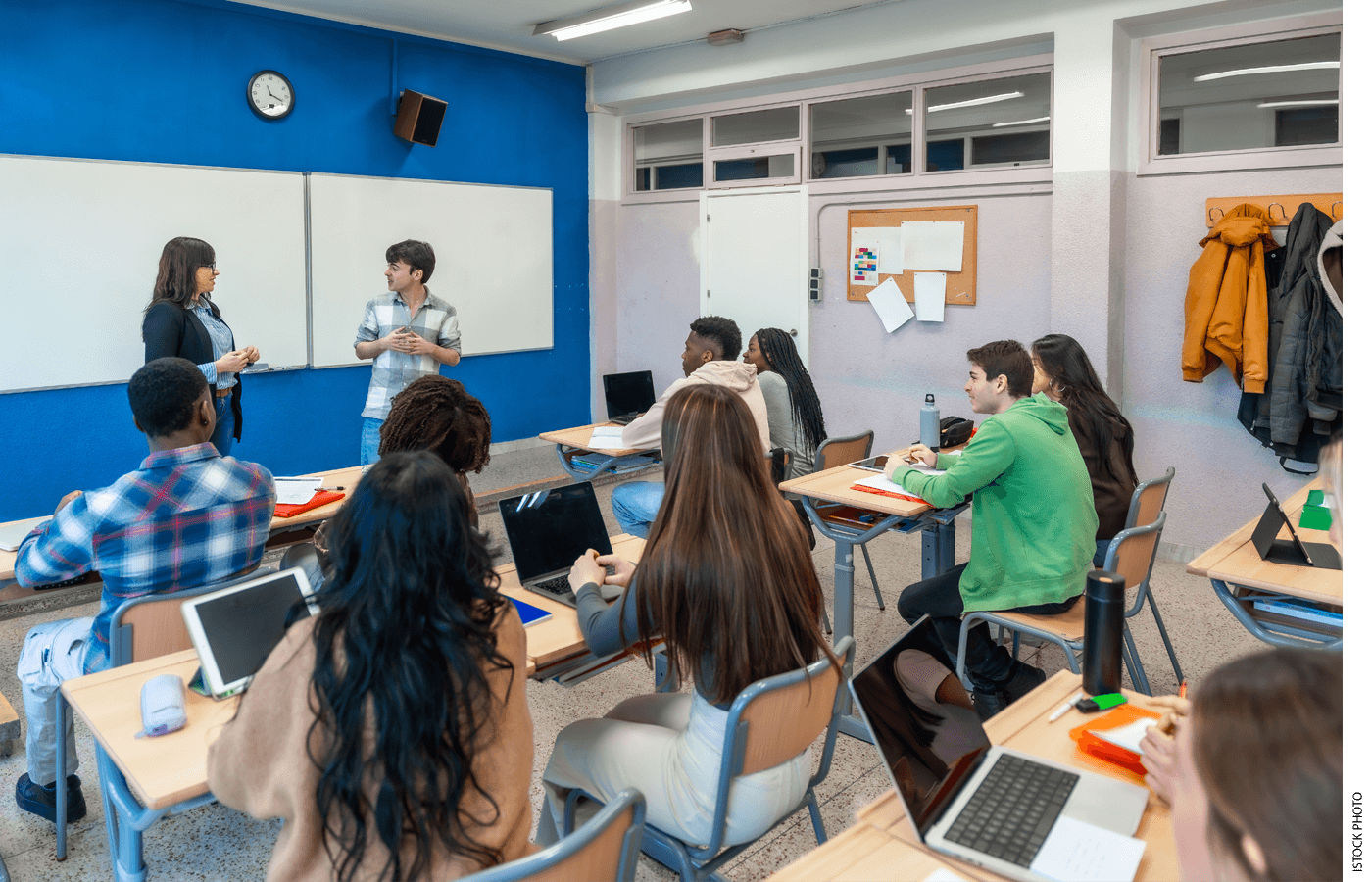
However, in the haste to embrace personalized learning platforms, there's a risk of losing sight of fundamental learning objectives. A classroom filled with students interacting solely with AI chatbots, for instance, might inadvertently limit opportunities for developing crucial skills like collaboration, debate, and nuanced communication. Academic growth requires more than just arriving at the correct answer; it necessitates engaging with diverse opinions, learning from missteps, and navigating productive cognitive struggle.
This is where a "technopragmatic" philosophy comes into play. It’s not about halting progress or dismissing the immense potential of new technologies. Instead, it’s about critically evaluating what works, ensuring that our adoption of AI and other tools aligns with our core educational goals for our children and our collective future.
The Evolving Classroom: Voices at the Decision-Making Table
Looking ahead five years, the ideal classroom of the future will undoubtedly be shaped by technological advancements. But how will the essential components of effective learning evolve? Crucially, how will we ensure that the voices of those most impacted – teachers, students, and families – are integral to the decision-making process?
For English language learners, a rapidly growing student population, digital tools have already demonstrated significant positive impacts. Translation and comprehension aids, coupled with real-time feedback and interactive practice, can make learning more accessible and engaging. These tools can be invaluable for developing speaking and writing skills.
Yet, even as AI offers powerful support for multilingual learners, it can also introduce bias. This underscores the necessity of pairing emerging AI tools with strong, human teacher guidance. The objective must be to ensure that AI platforms and digital education resources serve as enhancements, not replacements, for effective teaching and learning methodologies.
Failing to maintain this balance risks creating educational environments that do not foster human thriving. This concern extends beyond students with specific needs, encompassing the well-being and development of every student.
Cultivating the Future: AI as a Partner, Not a Replacement
Artificial intelligence and evolving technologies possess the remarkable potential to amplify our collective capacity for collaboration, problem-solving, and critical thought. This potential can be fully realized, however, only if we intentionally design their integration to serve these human-centric goals.
Ultimately, it is the shared human experiences that form the bedrock of meaningful learning. These experiences, rich with interaction, empathy, and mutual understanding, are what truly equip students for a complex and ever-changing world. As we embrace the future of education, let us ensure that technology serves to deepen these essential human connections, rather than erode them.





 Explore AI Teaching Tools
Comments (0)
Please login to comment
No comments yet
Be the first to comment on this article