
When Did We Stop Trusting Our Kids? The Quiet Revolution Reclaiming Childhood Independence
In an era where helicopter parenting often feels like the norm, a growing movement is challenging the pervasive fear that keeps children confined and overscheduled. What if the key to raising resilient, capable kids isn't more supervision, but less? This shift in perspective is gaining momentum, suggesting that the very freedoms we once took for granted might be essential for our children's development and well-being.
The Unintended Consequences of Overprotection
For generations, childhood was synonymous with exploration and self-directed activity. Kids roamed neighborhoods, navigated public transport, and learned to solve problems through trial and error. However, a palpable shift has occurred, leading to a generation of children with significantly less unsupervised time and a corresponding rise in anxiety and dependence.
This change isn't just anecdotal; it's reflected in the growing concerns about youth mental health. While many schools are exploring interventions like mindfulness and yoga, a more fundamental question is emerging: Have we inadvertently stripped away the very experiences that build resilience and self-reliance?
The argument is compelling: if we've removed the opportunities for kids to play freely, to figure things out for themselves, and to navigate social dynamics without constant adult intervention, then perhaps reversing this trend is a logical, even necessary, step.
Reigniting the Spark of Free Play
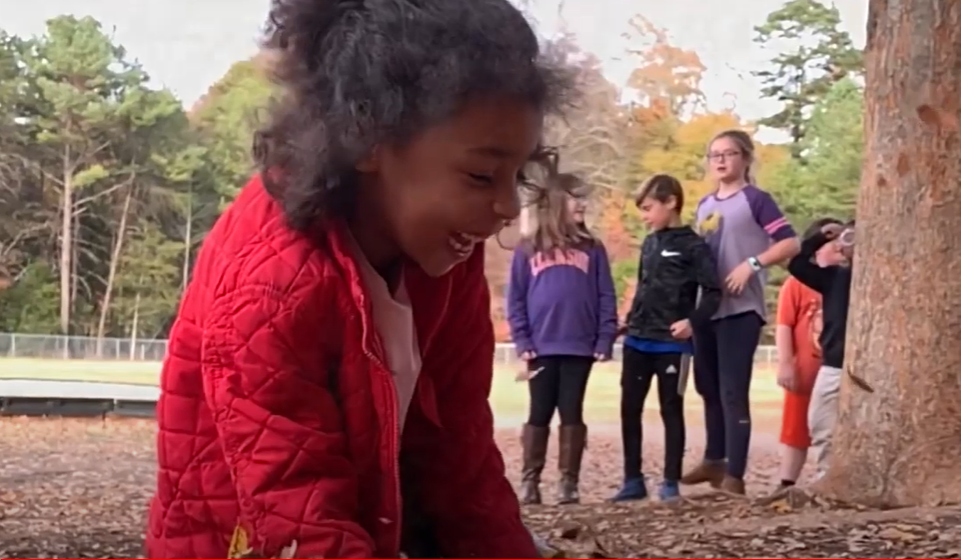
At the heart of this movement lies the concept of "free play" – unstructured time where children lead their own activities. This isn't about neglect; it's about creating a safe space for organic growth and learning.
Organizations are establishing "play clubs" that function as havens for this kind of interaction. Imagine a space stocked with simple materials: chalk, balls, cardboard boxes. An adult is present, but their role is akin to a lifeguard – there for safety, not direction. This allows children to initiate games, negotiate rules, and resolve conflicts amongst themselves.
Initially, kids might feel awkward, unsure of how to proceed without adult prompts. But when given the space, their natural social instincts kick in. Ideas for games emerge, collaborations form, and the sounds of laughter and engagement fill the air. This process, seemingly simple, is profoundly important for developing crucial life skills.
The Social Fabric of Play
Face-to-face interaction during play is vital for children's social and emotional development. It's where they learn to read social cues, manage frustration when they don't get their way, and develop empathy by helping younger children or being mentored by older ones.
These interactions are the bedrock of friendship. Kids learn to make friends not through scheduled activities, but through shared experiences, negotiation, and mutual understanding forged during play. In a world increasingly dominated by screens, reclaiming these opportunities for genuine human connection is paramount.
This is how children have always learned to navigate the world and each other. By engaging in play, they build the confidence to handle everyday challenges, from asking for a spoon at a restaurant to navigating more complex social situations.
Empowering Parents, Empowering Kids
Convincing parents to relinquish some control can be a significant hurdle. The instinct to protect is powerful, often fueled by a constant stream of cautionary tales. Yet, the "Let Grow Experience" offers a gentle, structured approach to reintroducing independence.
This initiative presents simple "homework assignments" for students, encouraging them to undertake tasks independently. These might range from making breakfast to walking the dog or even using a sharp knife under supervision. The goal is to foster a sense of accomplishment and capability in children.
The impact on parents is often transformative. Witnessing their child successfully complete a task independently can be incredibly rewarding, rewiring their own anxieties and building trust in their child's abilities. This positive reinforcement encourages them to grant more freedoms, creating a virtuous cycle.
For children, the message is equally powerful. Instead of feeling that their parents don't trust them or believe they are incapable, they receive a clear signal of confidence. This belief from a trusted adult is often the catalyst for a child to believe in themselves, a foundational element for psychological well-being.
The Hidden Curriculum of Independence
The proliferation of educational technology in classrooms is often presented as the path to academic success. However, the argument for free play's role in intellectual development is equally, if not more, compelling.
The human brain is wired for learning through experience. The ability to solve problems, innovate, and adapt comes from actively engaging with the world. Free play provides a rich environment for developing these cognitive skills organically.
Children naturally gravitate towards problem-solving and idea generation. This innate drive, fueled by the joy of play, is what has propelled human progress throughout history. It's not educational software that built civilizations; it's the curious, playful, and inventive minds of children.
Challenging the Screen-Dominated Landscape
The challenge lies in disentangling children from their screens. Simply removing devices without offering engaging alternatives can lead to boredom and frustration. The key is to reintroduce the richness of the real world.
The world outside offers a sensory experience that screens cannot replicate – the smells, tastes, and textures of physical reality. By opening the door and encouraging exploration, parents can help children rediscover the inherent entertainment and learning opportunities that exist beyond the digital realm.
This shift requires a conscious effort from parents and educators alike to prioritize unstructured time and foster a culture that values independence and self-reliance. It's about trusting our kids, allowing them the space to grow, and recognizing that true learning often happens when we step back and let them lead.
The Long Road Back to Childhood
The journey back to a childhood that embraces more freedom and less hovering is not without its challenges. It requires a societal shift in perception, moving away from fear-based parenting towards one that celebrates the inherent capabilities of children.
The evidence suggests that by granting our kids more opportunities for independent play and exploration, we are not only combating anxiety but also fostering the cognitive and social skills they need to thrive. This is not about abandoning responsibility, but about redefining it – recognizing that true support often means stepping back and allowing children to discover their own strength and ingenuity.
The future of childhood, and indeed the future of our society, may well depend on our willingness to trust our kids and give them the space to be, simply, kids.





 Explore AI Teaching Tools
Comments (0)
Please login to comment
No comments yet
Be the first to comment on this article