
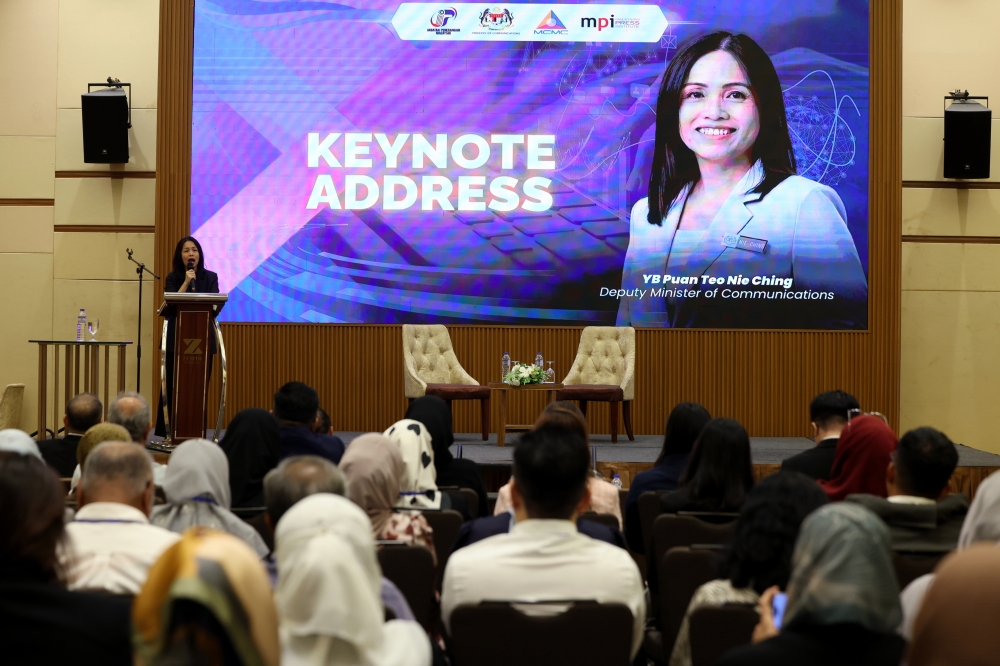
AI's Ascent Demands a New Era of Public Information Savvy
In a world awash with rapidly evolving digital streams, the ability to discern truth from fiction is no longer a niche skill but a fundamental necessity. As artificial intelligence fundamentally reshapes how information is created and consumed, experts are sounding an urgent call to bolster public media literacy, ensuring citizens can navigate the complex currents of online content with confidence.
The AI Inflection Point
The rise of generative AI presents a profound shift in the information landscape. This technology is not merely accelerating content creation; it's fundamentally altering the nature of what we encounter online, blurring the lines between authentic and artificially generated material.
This new era demands a populace equipped to critically evaluate every piece of information. The challenge lies in distinguishing credible sources from manipulated narratives, a task made exponentially more difficult by AI's sophisticated capabilities.
Building a Resilient Information Ecosystem
By 2030, the vision for Malaysia's media ecosystem is one of enhanced resilience, innovation, and, crucially, trust. Achieving this future hinges on proactive measures to empower the public and the industry alike.
Strengthening media literacy must go hand-in-hand with advanced training in areas like AI, digital verification techniques, and robust information security. This comprehensive approach is vital for preparing journalists and the public for the evolving challenges ahead.
A Collaborative Imperative
The path forward requires a united front. Close collaboration between the media industry, academic institutions, and government bodies is essential for fostering talent development and driving research into media transformation.
This partnership is key to navigating the unprecedented scale of content production. Without it, the public faces an increasingly uphill battle to identify accurate information amidst a deluge of misleading narratives and deliberately crafted falsehoods.
The Attention Economy's Double-Edged Sword
The current digital environment often prioritizes engagement over accuracy. Algorithms, designed to capture attention, frequently amplify content that provokes strong emotional responses, regardless of its factual basis.
This creates a significant challenge for those seeking reliable information. The pursuit of virality can inadvertently sideline well-researched, beneficial content in favor of sensationalism.
Journalism's Enduring Principles in a Fast-Paced World
Despite the relentless pressure to deliver news instantaneously across a multitude of platforms, the core tenets of journalism must remain unwavering. Fact-checking, rigorous verification, and a commitment to truth are paramount.
Traditionally, media outlets competed to be the first to report a story. Today, that race is amplified, with real-time information dissemination and audience expectations for immediate access to news.
The Dilemma of Speed and Accuracy
When an event unfolds, multiple versions of the story often emerge online before journalists can even begin their verification process. This presents media organizations with a difficult choice.
Hesitation risks being perceived as outdated, while rushing to publish can lead to errors that severely damage credibility. Navigating this tightrope requires a delicate balance of speed and diligence.
Trust: The Ultimate Currency
The future of the media will not be defined by how widely content spreads, but by its capacity to earn and maintain the public's trust. This is the bedrock upon which a healthy information ecosystem is built.
Trust is not a fleeting commodity; it is meticulously built over time. It is forged when media outlets openly acknowledge and correct their mistakes, and when they consistently prioritize the public interest above sensationalism.
Industry Self-Regulation: A Path to Credibility
The media industry, with its inherent complexity and dynamism, is best served by responsible self-regulation. This approach fosters accountability without the stifling effect of excessive state intervention.
This guiding principle has informed efforts to establish mechanisms for industry oversight, fostering a more accountable and trustworthy media landscape. Such initiatives are crucial for building public confidence in the information we consume daily.







 Explore AI Teaching Tools
Comments (0)
Please login to comment
No comments yet
Be the first to comment on this article