
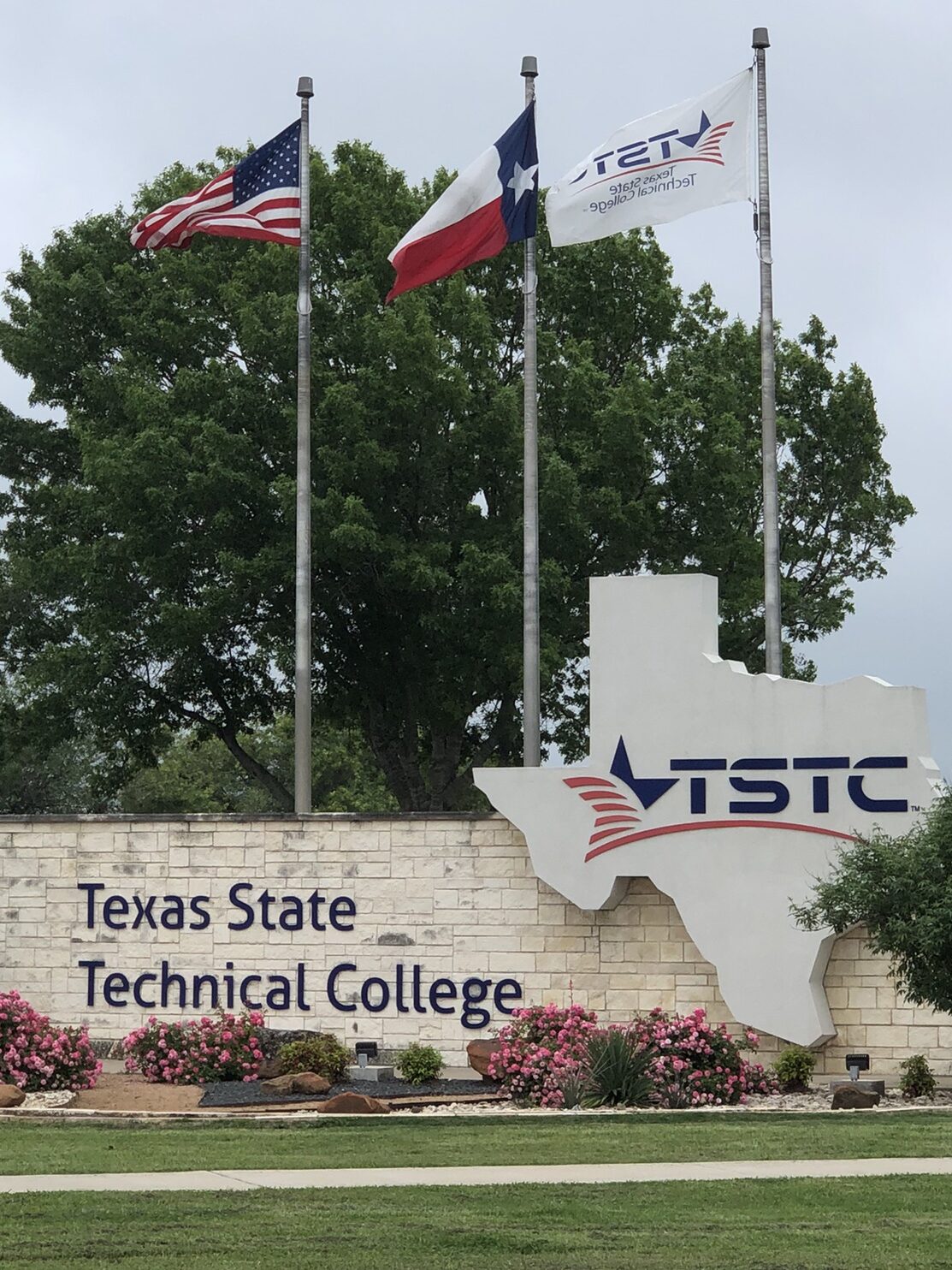
Texas State Technical College: A Model for Hands-On Career Education and High-Wage Jobs
In the dynamic landscape of higher education, a unique approach to career training is making waves, particularly in Texas.
For students seeking a direct path to well-compensated careers, the Texas State Technical College (TSTC) system offers a compelling alternative to traditional academic pursuits.
This article delves into the innovative strategies employed by TSTC, focusing on its strong ties to industry, its emphasis on high-demand skills, and the tangible wage outcomes for its graduates, providing valuable insights for students and educators worldwide.
The TSTC Philosophy: Education That's Truly Hands-On
TSTC's core educational philosophy is encapsulated in its recruiting motto: "Life is hands-on.
Your education should be too." This isn't just a catchy phrase; it's the driving force behind every program offered across its 11 campuses.
At the flagship Waco campus, students are actively engaged in creating robots, servicing hybrid vehicles, mastering pipeline welding, crafting intricate culinary creations, piloting aircraft, and training for utility line work.
This immersive, practical learning environment is meticulously designed to equip students with the skills employers are actively seeking, accelerating their entry into the workforce and paving the way for prosperous careers within the burgeoning Texas economy.
The TSTC model distinguishes itself through an exceptionally keen focus on industry needs and the earning potential of its graduates.
This strategic alignment means that many students, even those living closer to traditional Texas community colleges, opt for TSTC's specialized programs.
The Waco campus, for instance, offers around 30 distinct majors and provides on-campus housing, further enhancing its appeal to students from across the state and beyond.
A Student's Perspective: Prioritizing Practical Skills
Consider the experience of Ethan Hernandez, a 19-year-old student who found traditional four-year college unappealing.
His passion for automotive repairs, sparked by helping his grandfather, led him to pursue a two-year associate degree in automotive technology at TSTC Waco.
He plans to further specialize with a certificate in collision repairs, aiming to master both the interior and exterior aspects of vehicle restoration.
Ethan's perspective highlights a growing sentiment among young students: the desire for an education that directly translates into a viable career.
He expressed that many young individuals attend four-year institutions without a clear career path, leading to wasted time and financial resources for their parents.
In contrast, he believes that obtaining a certificate or degree from TSTC provides a significant advantage in the job market, offering a clear and accelerated route to employment.
This emphasis on immediate employability and high earning potential is a cornerstone of TSTC's success.
The institution operates separately from the broader mission of many community colleges, dedicating its resources and curriculum almost exclusively to workforce preparation.
Last fall, the Texas technical education system enrolled over 11,400 full-time students, with approximately 3,100 at the Waco campus, all pursuing certificates or diplomas designed for completion within one semester to two years.
Industry Alignment: The Key to Graduate Success
What sets TSTC apart from many other vocational and career programs, including those found in California's public community colleges and trade schools, is its unwavering commitment to aligning its curriculum with the precise demands of the modern workforce.
This intentionality is a crucial factor for families and students who are increasingly scrutinizing the long-term value and cost of a traditional four-year college degree.
Experts suggest that California, and indeed other regions, could draw significant inspiration from the Texas model for career education.
Enrollment Trends: A Surge in Vocational Training
The impact of TSTC's focused approach is evident in enrollment figures.
While higher education institutions nationwide experienced a decline in student enrollment during the pandemic era, community colleges specializing in vocational programs saw a notable increase.
Specifically, these institutions reported a 16% rise in enrollment last fall.
This surge stands in stark contrast to two-year public schools primarily focused on transferring students to universities, which saw an increase of less than 1%, according to federal data.
This trend underscores a growing preference among students for educational pathways that promise direct entry into skilled professions.
The primary driver behind TSTC's accelerated enrollment growth, especially in the post-pandemic period, is its singular focus on job training and career readiness.
This contrasts sharply with traditional two-year public colleges, which often juggle a dual mission: preparing students for technical careers in fields like medical technology or agribusiness, while also offering a broad range of academic courses in subjects such as political science, biology, and music for students intending to transfer to four-year universities.
A Lesson for California: The Power of Specialization
While California boasts a vast network of 116 community colleges, only a select few are exclusively dedicated to technical and career education.
Los Angeles Trade-Tech College, for example, offers a wide array of career tracks and certificates, exceeding TSTC's offerings in sheer numbers.
However, this institution, like many in California, also maintains transfer programs and operates within a larger district with diverse educational missions.
The state's online Calbright College, established to serve adult workers seeking new skills, has experienced a slower growth trajectory since its inception.
California Governor Gavin Newsom's administration is actively working to bolster career and trade education through a new master plan.
However, experts like Eloy Ortiz Oakley, former chancellor of the California Community Colleges system, point to TSTC's "intentionality" as a significant advantage in job training and placement.
He suggests that this focused approach could serve as a valuable lesson for California's educational system.
Oakley notes that at comprehensive community colleges, technical education often faces resource competition from traditional academic departments.
In contrast, TSTC's dedicated structure allows for greater focus on career advising and the integration of faculty with direct industry experience, leading to a higher level of service for students.
Navigating Transfer Options and Student Support
A potential drawback of TSTC's specialized model, as noted by Oakley, is that students may find limited opportunities for transferring credits if they later decide to pursue a bachelor's degree.
This could disproportionately affect students from underrepresented backgrounds who may not have followed a traditional college-preparatory track in high school.
While only about 6% of TSTC students transfer to universities, the institution emphasizes that this is not its primary mission.
The academic courses offered at TSTC, primarily in English and mathematics, are delivered online to support associate degree programs.
TSTC's explicit embrace of industry partnerships is a key differentiator.
This is partly philosophical and partly driven by its unique funding model.
For the past decade, a significant portion of TSTC's state financing has been contingent on an unusual formula tied to the average job pay of its graduates, assessed up to five years after completion.
This incentive structure has led TSTC to discontinue programs, such as computer repair and dental hygiene, where graduates' earning potential did not meet established benchmarks.
Charlotte Cahill, an associate vice president at Jobs for the Future, a nonprofit focused on expanding well-paid employment, highlights TSTC's strong reputation for preparing students for jobs and its agility in adapting its programs.
While community colleges nationwide also adjust their offerings, TSTC demonstrates a remarkable speed in this process compared to most.
Campus Life and Faculty Structure at TSTC
In contrast to many community colleges, TSTC's Waco campus offers extensive on-campus housing, a significant factor for students relocating for their education.
Furthermore, TSTC faculty are not unionized and do not have tenure, a structure that allows for greater flexibility and responsiveness to industry demands.
Jonathan Hoekstra, TSTC's executive vice chancellor and chief operating officer, articulates this philosophy clearly: "We don’t exist to serve faculty.
We exist to serve Texas industry and the students who want to go to work and live lives of prosperity." He emphasizes the institution's role in developing a "talent pipeline for industry" and guiding students to align their passions and skills with workforce needs.
Program Focus and Completion Rates
TSTC's focused approach enables it to concentrate on high-demand, well-paid fields such as computer programming, avionics, cybersecurity, plumbing, solar energy, and diesel engines.
Data indicates that approximately 40% of its full-time students seeking a credential successfully obtain one within three years, a rate slightly higher than comparable institutions.
In California, community college officials acknowledge lower completion rates in career and vocational programs, often attributing this to students taking only a few courses annually without a clear program of study.
Paul Feist, vice chancellor for communications for the California community college system, notes that the state's decentralized approach to vocational training offers convenience and allows students to explore academic subjects for potential university transfer.
He points to successful programs like Chaffey College's InTech Center for welding and automation, and Rio Hondo and Evergreen Valley Colleges' Tesla electric car programs, as examples of effective career education within the California system.
The Housing Advantage: A Magnet for Students
A critical differentiator for TSTC, particularly when compared to California's community colleges, is its robust on-campus housing.
While only 13 of California's 116 community colleges offer housing, TSTC ranks highly nationally for its two-year school housing options.
Four of its 11 campuses provide housing, attracting students from across Texas and the United States.
The Waco campus alone offers around 1,100 beds, including accommodations managed by a private firm.
TSTC mandates that students from outside the immediate area reside on campus for their first year, ensuring a supportive and integrated living-learning environment.
Additionally, the campus features 126 duplexes, repurposed from former Air Force barracks, catering to older students with families.
Student Testimonials: Housing as a Key Enabler
Amanda King, a cybersecurity student at TSTC, underscores the importance of campus housing.
As a 27-year-old single mother of two, the availability of a two-bedroom house on campus was instrumental in her ability to pursue an associate degree in cybersecurity and a certificate in digital forensics.
She highlights how accessible housing makes it "a little bit more possible" for families to pursue higher education.
Amanda aspires to a career as a digital investigator, earning a starting salary of approximately $55,000 annually, driven by her interest in combating cybercrime and protecting individuals from online threats.
Her motivation stems from a desire to address prevalent issues like scams, child exploitation, and human trafficking, recognizing the critical role of digital forensics in uncovering evidence and bringing perpetrators to justice.
Industry Partnerships and Graduate Employability
The strong relationship between TSTC and its industry partners is a significant factor in the success of its graduates.
Fallas Automation, a Waco-based firm specializing in robotic equipment for food packaging, reports that approximately 20 of its 75 employees are TSTC graduates, primarily in robotics.
Daniel Maeyaert, Vice President of Operations at Fallas Automation, praises TSTC for its effectiveness in preparing students to be "ready to work," noting that new hires from TSTC possess the industry-specific terminology and understanding required from day one.
He mentions that new employees can expect starting salaries of $60,000 with opportunities for advancement.
However, Maeyaert also suggests that while technical skills are paramount, TSTC could further enhance its curriculum by incorporating more "soft skills," such as punctuality, effective job interviewing techniques, and strong written and verbal communication abilities.
He believes a greater focus on these areas would further benefit TSTC graduates entering the professional world.
The Genesis and Evolution of TSTC
Texas State Technical College traces its origins back to 1966, established on a former 2,000-acre Air Force base located north of downtown Waco.
Initially part of the Texas A&M University system, TSTC later became an independent institution, expanding its reach with additional campuses and facilities across the state.
The Waco campus retains an active airfield and presents an industrial park-like atmosphere, characterized by its sprawling layout that necessitates transportation between buildings.
The sheer volume of specialized equipment—including robots, welding machines, flight simulators, aircraft, and vehicles—is a testament to the institution's commitment to hands-on training.
Much of this equipment is acquired through corporate donations, further solidifying industry ties.
Visually, TSTC offers a stark contrast to the more traditional, aesthetically refined campuses like nearby Baylor University.
TSTC eschews major athletic programs and Greek life, focusing instead on its core mission of workforce development.
Its on-campus recreation center, while modest, provides essential amenities like a gym, weight room, and social spaces.
Tuition, Demographics, and Diversity
For the 2024-25 academic year, tuition and fees at TSTC for most students average around $7,200 for two semesters, a figure significantly higher than California's community colleges, which typically charge around $1,200.
A majority of TSTC students come from low-income families and receive substantial federal and state financial aid.
The student body at the Waco campus is diverse, with approximately 43% identifying as Latino, 38% as white, 6% as Black, and 1% as Asian/Pacific Islander.
While most students are of traditional college age, a notable portion are in their 40s and 50s, pursuing career changes or skill upgrades.
Women constitute about 10% of the student population at Waco, though other TSTC campuses have higher female enrollment in programs like nursing and education.
Yoselin Merlo, a 19-year-old robotics student at TSTC Waco, shares her experience as one of the few women in her program.
She acknowledges the challenges of navigating a male-dominated field and the need to constantly prove her capabilities.
Having emigrated from Honduras to Houston in 2016, Yoselin was the first in her family to learn English and complete high school.
With the assistance of financial aid, she views her enrollment at TSTC Waco as "the best decision I ever made." Her career aspirations include designing industrial robots, enabling her to support her family and contribute to educational initiatives for underprivileged children in Honduras.
Admission Requirements and Program Accessibility
Most TSTC programs offer open enrollment, requiring only a high school diploma or its equivalent.
However, admission to specialized programs like airplane pilot training and allied health fields is more competitive, involving specific prerequisites and selection criteria.
The Lineman Program: A Path to High-Demand Careers
Kaleb Sanders, a 20-year-old student, is following a family tradition by pursuing studies and a career as a utility lineman.
Demonstrating his skills, Kaleb expertly scaled a 35-foot practice pole, emphasizing the rigorous nature of the training.
Although the lines are not electrified, students are instructed to treat them as live, reinforcing the importance of safety protocols.
Kaleb notes that many students enter the lineman program attracted by the high pay and demand but often underestimate the inherent dangers and physical demands of the job.
instructors report that starting salaries for linemen can reach $80,000 annually with overtime, with significant earning potential as experience grows.
This highlights TSTC's focus on preparing students for careers with substantial financial rewards.
The Crucial Role of Graduate Earnings in Funding
The financial health of TSTC is intrinsically linked to the earning potential of its graduates.
Since 2013, a significant portion of the college's state revenue has been derived from a "returned-value" funding formula, heavily weighted by alumni earnings rather than traditional enrollment metrics.
For the upcoming year, this formula is projected to contribute approximately $95 million, representing about 30% of TSTC's overall budget.
Tuition payments represent the next largest revenue stream, contributing about $60 million, or 19% of the budget.
A 2016 report by the Lumina Foundation described TSTC's funding formula as "bold" and a potential "bellwether." While TSTC's revenues have remained stable, the report's co-author noted that this model might not be universally applicable to colleges with broader educational missions.
Martin Van Der Werf, director of education policy and partnerships at Georgetown University's Center on Education and the Workforce, points out the political and practical challenges of abandoning established departments or tenured faculty to pursue new, in-demand majors.
He also highlights the difficulty in accurately evaluating the future earnings of community college graduates who transfer to pursue bachelor's degrees.
State Reforms and TSTC's Competitive Edge
While both Texas and California are incorporating outcomes like degree completion, job placement, and wages into their community college funding calculations, California still relies predominantly on enrollment figures.
Harrison Keller, commissioner of higher education and CEO of the Texas Higher Education Coordinating Board, emphasizes that TSTC's strong focus on graduate earnings has "definitely helped drive expanded opportunities for students" and created powerful incentives for the institution to refine its programs.
Keller notes that while TSTC competes with traditional community colleges in some majors, it is "more readily positioned to provide opportunities for folks to reskill and upskill than many of the community colleges."
TSTC's system enrollment, after a slight decline during the pandemic, has surpassed pre-Covid levels, while many Texas community colleges continue to grapple with enrollment drops.
Despite increased state funding, some TSTC faculty express concerns about instructor shortages, citing insufficient pay to attract technical experts from industry who might otherwise transition to teaching roles.
Performance-Based Education and Guarantees
TSTC has recently implemented a shift in some majors towards "performance-based education," allowing students to progress at their own pace by mastering skills sequentially.
This approach has received mixed reactions, with some students appreciating the flexibility and others feeling there is an over-reliance on online materials and a diminished sense of camaraderie.
Demonstrating confidence in its program outcomes, TSTC offers a money-back guarantee in nine majors, including precision machining, heavy truck diesel equipment, robotics, and welding.
This guarantee assures students that if they do not secure employment in their field within six months of graduation, they are eligible for a refund.
To date, officials report that no students have utilized this refund option.
Conclusion: A Blueprint for Future-Ready Education
The Texas State Technical College system, particularly its Waco campus, offers a compelling model for career-focused education.
By prioritizing hands-on learning, forging deep connections with industry, and aligning its curriculum with high-demand, high-wage fields, TSTC provides students with a clear and accelerated path to successful careers.
Its innovative funding structure, which directly links institutional revenue to graduate earnings






 Explore AI Teaching Tools
Comments (0)
Please login to comment
No comments yet
Be the first to comment on this article