
Fostering Belonging: Colleges Must Confront Immigration-Based Targeting to Ensure Student Safety
In today's interconnected world, educational institutions are vibrant melting pots of diverse backgrounds and experiences.However, a disturbing trend is emerging within these hallowed halls: the weaponization of immigration status against fellow students.
This phenomenon poses a significant threat to the safety, well-being, and academic success of many individuals.
Colleges have a critical responsibility to address this issue proactively, much like they combat other forms of identity-based discrimination, to cultivate truly inclusive and supportive learning environments for all students.
The Shadow of Surveillance: When Classmates Become Border Patrol
Recent incidents have illuminated a disturbing reality: some students are actively engaging in actions that target their peers based on their immigration status.This behavior, often fueled by misinformation and a warped sense of civic duty, can have devastating consequences.
When a student reports individuals to immigration authorities, leading to detentions and fear within a community, it underscores a profound breakdown in the collegial spirit that should define higher education.
This is not an abstract concern; it directly impacts the daily lives and psychological safety of immigrant-origin students who often live with the constant anxiety of deportation.
The fear that a classmate might be the one to report them can lead to a pervasive sense of unease, affecting their ability to concentrate, participate, and feel truly at home on campus.
This creates an environment where students are not learning alongside each other, but rather policing each other, a stark contrast to the collaborative and enriching educational experience that colleges should strive to provide.
The impact of such actions extends far beyond the immediate individuals involved.
It creates a ripple effect of fear and distrust that can permeate entire student bodies.
When students feel they must constantly be on guard against their peers, their capacity for genuine connection and academic engagement is severely diminished.
This is particularly true for students whose families have navigated complex immigration journeys, as they are acutely aware of the profound and life-altering consequences of immigration enforcement actions.
The psychological burden they carry is immense, and it is exacerbated when they perceive their own educational institutions as potential sites of surveillance rather than sanctuary.
Understanding the Roots of the Problem: Fear, Misinformation, and a Culture of Reporting
The rise of immigration-based targeting among students is not an isolated phenomenon.It is deeply intertwined with broader societal trends, including the amplification of outrage through online platforms and a culture that can sometimes encourage the reporting of perceived "suspicious" individuals.
For some young people, this reporting instinct can be misconstrued as a form of civic responsibility, particularly when coupled with a lack of understanding about the realities of immigration policies and their human impact.
This mindset, unfortunately, does not remain confined to the digital realm; it infiltrates classrooms, study groups, and residential halls, creating tangible anxieties for immigrant-origin students.
Many of these students have grown up in households where fear of deportation is a constant undercurrent.
They have witnessed neighbors or family members being detained, and they may have taken on adult responsibilities, such as translating legal documents, at an age when their peers are focused on academic pursuits.
This lived experience instills a deep-seated awareness of the potential repercussions of immigration enforcement.
When they bring this awareness to college, they are not just students; they are individuals carrying the weight of potential vulnerability.
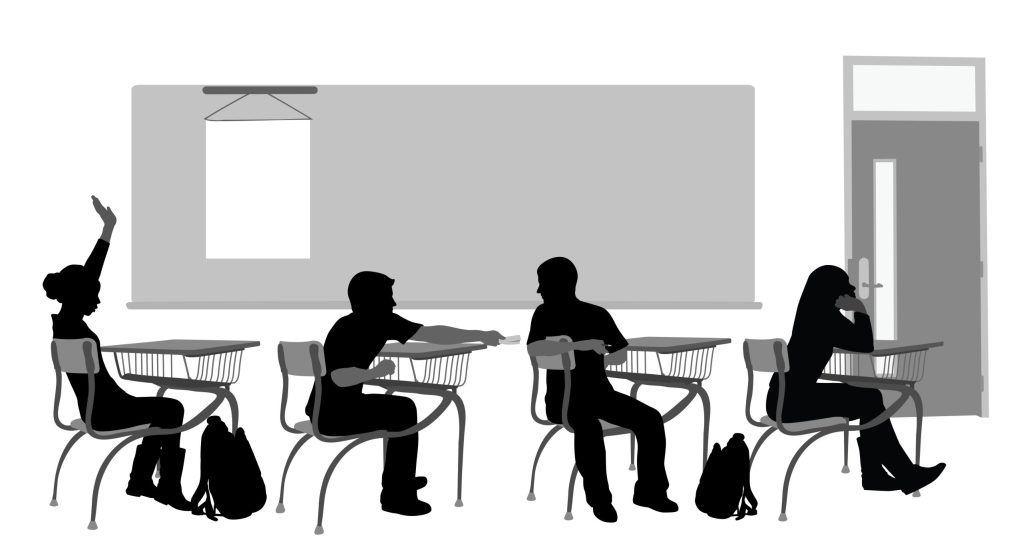
This can manifest in subtle yet significant ways, such as avoiding speaking their native languages in public, hesitating to share personal information, or strategically positioning themselves near exits during class activities, all stemming from the fear that their identity might be perceived as a threat by others.
The Developmental Impact of Exclusion
Research consistently highlights the critical role of belonging and social inclusion in the healthy development of young people.When students feel excluded or targeted based on their immigration status, it directly undermines their sense of belonging.
This can lead to increased stress, anxiety, and a diminished capacity to thrive academically and socially.
Studies on migration and acculturation indicate that distinctions based on legal status can intensify feelings of exclusion, hindering both social integration and overall well-being.
In such an environment, colleges can inadvertently transform into micro-border zones, where individuals are constantly assessing potential threats, making it nearly impossible for a true community to flourish.
The Unprepared Campus: Policy Gaps and the Silence of Inaction
Despite the clear and present danger posed by immigration-based targeting, many colleges and universities remain woefully unprepared to address it.While most institutions have robust policies in place to combat racism, antisemitism, homophobia, and other forms of identity-based harassment, similar protections are often lacking when it comes to immigration status.
This disparity sends a dangerous message: that harm directed at immigrant communities is somehow less significant, incidental, or merely a matter of political discourse.
However, this perspective fails to acknowledge that such actions are not abstract political statements; they are acts of targeted intimidation with profound and measurable consequences for students' safety, mental health, and academic performance.
When incidents occur, such as the one that prompted this discussion, the institutional response can be telling.
While acknowledging the distress caused, some universities may refrain from classifying such behavior as discriminatory, even when it clearly targets a specific ethnic or immigration-status group.
This silence can be interpreted as tacit approval or, at the very least, a lack of understanding of the severity of the harm.
The consequences of this inaction are far-reaching.
It allows the normalization of surveillance and reporting, further eroding the sense of safety and belonging for immigrant-origin students.
It creates a chilling effect, where students may feel discouraged from expressing their identities or engaging fully in campus life for fear of reprisal.
The Distinction Between Civic Duty and Harassment
It is crucial for colleges to differentiate between legitimate civic engagement and actions that weaponize immigration laws against fellow students.While encouraging responsible citizenship is important, this should never come at the expense of another student's safety and dignity.
Reporting individuals to immigration authorities based on their perceived status, without any evidence of criminal activity, crosses a line into harassment and intimidation.
This is not a matter of free speech; it is a deliberate act that can lead to severe repercussions for the targeted individuals and their families.
Colleges must establish clear boundaries to prevent such actions from being normalized or condoned within their communities.
Actionable Pathways: Three Steps to Cultivate a Safer Campus
To effectively combat immigration-based targeting and foster a truly inclusive environment, colleges must adopt a proactive and comprehensive approach.This involves implementing clear policies, providing adequate training, and integrating essential educational components into the curriculum.
These steps are not radical; they are logical extensions of the protections that colleges already offer to students facing other forms of discrimination.
1.
Defining Immigration-Based Harassment as Misconduct The first and most critical step is to formally define immigration-based harassment as a form of misconduct within institutional conduct codes.
This means that actions such as calling immigration authorities on classmates without just cause, doxxing immigrant peers online, or spreading rumors related to immigration status should be treated with the same seriousness as racial slurs, threats, or other forms of targeted harm.
Colleges have established frameworks for addressing these issues; they simply need to extend these protections to encompass the unique vulnerabilities faced by immigrant-origin students.
By explicitly including immigration-based targeting under their conduct policies, institutions send a clear message that such behavior is unacceptable and will not be tolerated.
This provides a clear pathway for reporting and accountability, empowering students who are targeted and deterring potential perpetrators.
2.
Equipping Faculty and Staff with Response Strategies educators and administrative staff are on the front lines of student interaction.
They must be equipped with the knowledge and tools to effectively respond when immigration rhetoric is weaponized in the classroom or when students express fear related to being reported.
Many faculty members genuinely want to support their students but may lack the specific guidance needed to navigate these sensitive situations.
Comprehensive training should cover: * **Recognizing and addressing harmful rhetoric:** How to identify and intervene when students make derogatory or threatening remarks related to immigration. * **Supporting students experiencing fear:** Providing resources and creating a safe space for students who express anxiety about their immigration status or the actions of their peers. * **Understanding institutional policies:** Familiarizing staff with the college's conduct codes and reporting procedures related to immigration-based harassment. * **De-escalation techniques:** Strategies for managing tense situations that may arise from discussions or incidents involving immigration.
This training ensures that faculty and staff can act as allies and protectors for all students, reinforcing the college's commitment to safety and belonging.
3.
Integrating Immigration Literacy into Civic Education A significant factor contributing to the problem is a lack of understanding among students about the realities of immigration policies and the lived experiences of their immigrant peers.
Integrating "immigration literacy" into the curriculum, particularly within civic education courses, is essential.
This education should not be framed as political indoctrination but rather as preparation for responsible citizenship in a diverse society.
Key areas to cover include: * **The complexities of immigration law:** Explaining the different pathways to legal status, the challenges of navigating the system, and the long timelines often involved in legal cases. * **The human impact of detention and deportation:** Sharing factual information about what ICE detention entails, the emotional toll on individuals and families, and the potential for wrongful detentions. * **Understanding fear and vulnerability:** Educating students about the daily anxieties that many immigrant-origin individuals face and the psychological burden of living with uncertain legal status. * **Promoting empathy and cross-cultural understanding:** Encouraging students to engage with diverse perspectives and to develop a deeper appreciation for the contributions of immigrant communities.
By fostering a greater understanding of these issues, colleges can help dismantle stereotypes, combat misinformation, and cultivate a more empathetic and informed student body.
This educational approach empowers students to engage with complex social issues from a place of knowledge and compassion, rather than fear and prejudice.
Conclusion: Building Communities of Understanding, Not Surveillance
The incident at Boston University serves as a stark warning, not an isolated anomaly.If colleges fail to confront the growing threat of immigration-based targeting, they risk normalizing a culture of surveillance and suspicion among their students.
This will disproportionately burden immigrant-origin youth, who have done nothing wrong but are forced to carry the emotional and psychological weight of their peers' actions.
As members of the global learning community – students, educators, and researchers alike – we have a collective responsibility to decide what kind of learning environments we wish to build and sustain.
Colleges can either be spaces where students learn to understand and support one another, or they can devolve into arenas of intense surveillance and fear.
This choice will not only shape the climate of our campuses but will also profoundly influence the kind of society that today's students will eventually lead.
By embracing proactive policies, comprehensive training, and robust educational initiatives, Mentofy and institutions worldwide can champion a future where every student feels safe, valued, and empowered to learn and grow.






 Explore AI Teaching Tools
Comments (0)
Please login to comment
No comments yet
Be the first to comment on this article