
Nursing Apprenticeships: Bridging the Gap to a Rewarding Career Amidst a National Shortage
The healthcare landscape is facing an unprecedented demand for skilled nursing professionals.
As the need for registered nurses (RNs) and licensed practical nurses (LPNs) continues to surge, traditional educational pathways often present significant financial and logistical hurdles for aspiring individuals.
Fortunately, a transformative approach is gaining momentum: nursing apprenticeships.
These programs offer a vital solution, providing a structured, paid pathway for individuals to gain essential experience, earn while they learn, and ultimately, contribute to a robust and resilient nursing workforce.
This article explores how these innovative apprenticeships are reshaping the career ladder for nursing, making the profession more accessible and addressing critical staffing needs in hospitals nationwide.
The Growing Demand for Nursing Professionals
The healthcare industry is experiencing a profound and persistent shortage of qualified nurses.
Projections indicate that the demand for RNs and LPNs will significantly outpace the supply for the foreseeable future, creating a critical challenge for patient care and healthcare system stability.
This shortage is driven by a confluence of factors, including an aging population requiring more complex care, an increasing number of healthcare facilities, and a wave of experienced nurses approaching retirement.
Many individuals who are passionate about patient care and possess valuable experience in allied health roles, such as certified nursing assistants (CNAs) or medical assistants, aspire to advance their careers into nursing.
However, the traditional route to becoming a registered nurse often involves substantial upfront costs for tuition, prerequisite courses in English, math, and science that they may not have, and a demanding schedule that is difficult to balance with existing work and family responsibilities.
This creates a significant barrier, preventing many capable individuals from pursuing their nursing ambitions.
Introducing the Nursing Apprenticeship Model
Nursing apprenticeships are emerging as a powerful and practical solution to this multifaceted problem.
Unlike traditional clinical rotations, which are often unpaid and can be limited in scope, apprenticeships offer a structured, paid employment opportunity.
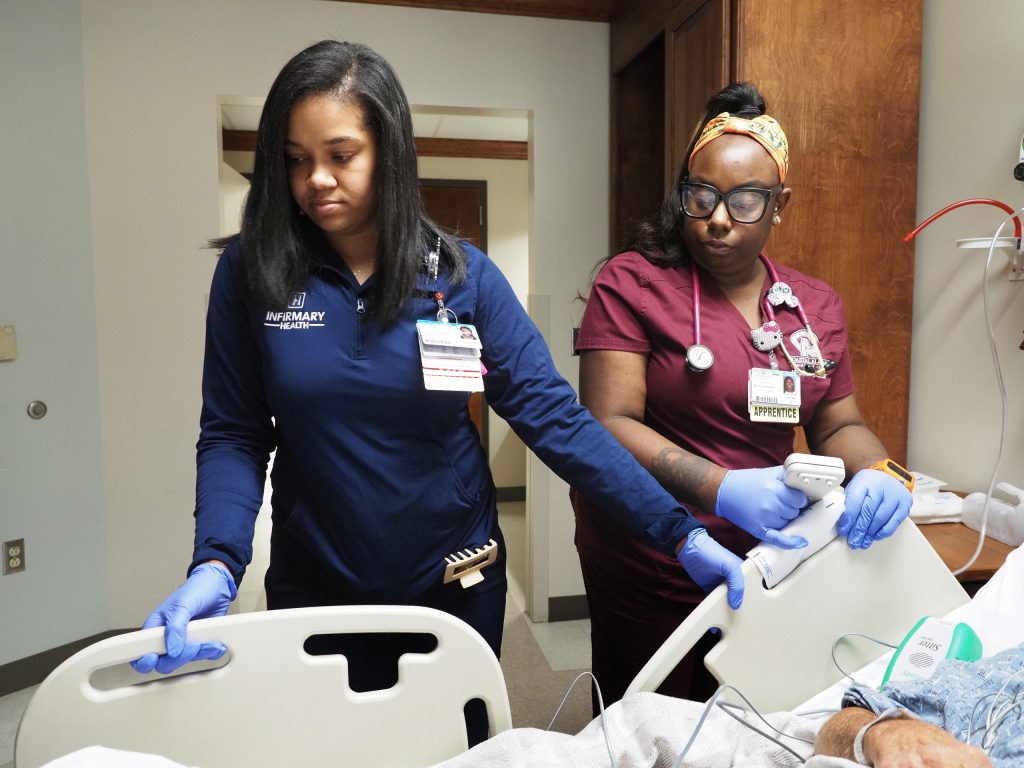
Under the guidance of experienced registered nurses, known as journeyworkers, apprentices gain invaluable hands-on experience in a real hospital or healthcare setting.
This model allows them to apply theoretical knowledge learned in the classroom directly to patient care scenarios, fostering a deeper understanding and accelerating skill development.
A key differentiator of these programs is the paid nature of the apprenticeship.
This financial support is crucial for individuals who need to continue earning a living wage while pursuing their education.
It alleviates the burden of student loan debt and makes nursing school a more attainable goal for a wider demographic.
Furthermore, the one-on-one mentorship provided by journeyworkers offers a level of personalized instruction that is often absent in larger, more generalized clinical groups.
This close supervision and guidance ensure that apprentices develop confidence and competence in performing essential nursing duties.
The Benefits for Apprentices
- Earn While You Learn: Apprentices receive a salary and benefits, allowing them to support themselves and their families while advancing their education.
- Personalized Mentorship: Working closely with experienced RNs provides invaluable real-world insights and skill refinement.
- Accelerated Skill Development: Direct application of classroom learning in a supervised hospital environment enhances practical abilities.
- Reduced Financial Burden: Apprenticeship programs often cover tuition costs, significantly lowering the financial barrier to entry.
- Guaranteed Employment: Many programs offer a commitment to employment upon successful completion, providing career security.
- Enhanced Career Mobility: Apprenticeships create a clear and achievable pathway for career advancement within the nursing profession.
The Advantages for Hospitals and Healthcare Systems
- Addressing Staffing Shortages: Apprenticeships cultivate a pipeline of qualified nurses, directly mitigating critical staffing gaps.
- Improved Employee Retention: Investing in employee development through apprenticeships fosters loyalty and reduces turnover.
- Cultivating a Skilled Workforce: Programs can be tailored to meet the specific needs and standards of the hospital.
- Enhanced Patient Care: A well-trained and engaged nursing staff leads to improved patient outcomes and satisfaction.
- Cost-Effective Recruitment: Apprenticeships can be a more cost-effective way to recruit and train new nurses compared to traditional hiring methods.
- Building Future Leaders: Apprenticeships nurture talent from within, developing nurses who are deeply familiar with the hospital's culture and operations.
Pioneering States and Innovative Models
Several states have recognized the immense potential of nursing apprenticeships and are actively working to expand these programs.
Alabama, in particular, has taken a leading role by establishing a nursing apprenticeship license.
This groundbreaking initiative allows apprentices to be paid for their supervised clinical hours, a crucial step that makes nursing education significantly more accessible.
This has led to a surge in partnerships between employers and educational institutions, creating numerous LPN and RN apprenticeship opportunities.
Other states, including Texas, North Carolina, and Wisconsin, are also developing and growing their registered nursing apprenticeship programs, often with approval from the U.S.
Department of Labor.
These initiatives are vital in creating structured pathways for individuals to enter and advance within the nursing profession.
The success of these programs hinges on strong collaboration between state nursing boards, community colleges, universities, and healthcare employers.
Case Study: Alabama's Transformative Approach
In Alabama, the collaboration between the Board of Nursing, the state legislature, and healthcare providers has been instrumental.
The creation of a specific apprenticeship license removed a significant regulatory hurdle, enabling apprentices to gain paid clinical experience.
This has resulted in a substantial number of apprenticeships being established, with many healthcare facilities, such as Mobile Infirmary hospital, reporting high completion rates and a strong commitment from graduates to remain with the hospital post-apprenticeship.
This model demonstrates how policy changes can unlock innovative solutions to workforce challenges.
Massachusetts and Beyond: Expanding the Reach
Massachusetts is another state actively pursuing nursing apprenticeships, focusing on creating a network to facilitate idea exchange between institutions and programs.
Their approach emphasizes clearly defining the scope of practice for apprentices, ensuring both safety and effective learning.
While not requiring a new license like Alabama, the state nursing board plays a crucial role in approving educational programs to meet regulatory standards.
This highlights the diverse strategies states are employing to implement successful apprenticeship models.
Overcoming Challenges and Ensuring Success
While nursing apprenticeships offer a promising solution, they are not without their challenges.
One significant hurdle is the shortage of qualified nursing instructors, which limits the number of available seats in traditional nursing programs and, consequently, in apprenticeship programs.
Furthermore, effective apprenticeships require a substantial commitment from hospitals to provide adequate mentorship.
This means having enough experienced staff who are willing and able to dedicate time to guiding apprentices for an extended period.
The complexity of nursing regulations also presents a challenge.
Establishing a registered apprenticeship for nurses, especially those without a prior degree, requires intricate coordination between nursing boards, educational institutions, and employers.
The initial resistance from some regulatory bodies underscores the need for strong advocacy and demonstrated employer demand to drive change.
However, as seen in Alabama, when employers champion these initiatives, they can successfully navigate these complexities.
The Role of Employers in Apprenticeship Success
The active involvement of employers is paramount to the success of nursing apprenticeships.
Hospitals and healthcare systems are not merely passive participants; they are essential sponsors who provide the practical training ground, often contribute to tuition costs, and offer the ultimate employment opportunity.
The University of Wisconsin Health system's experience illustrates this point, where their investment in entry-level apprenticeships led to significantly higher staff retention rates, validating the long-term benefits of such programs.
Defining Scope of Practice and Mentorship
A critical component of any apprenticeship program is the clear definition of the apprentice's scope of practice.
This ensures that apprentices are performing tasks appropriate to their skill level and under the necessary supervision, safeguarding both the apprentice and the patient.
Similarly, the availability of dedicated mentors is crucial.
Journeyworkers must be supported and recognized for their role in training the next generation of nurses.
This mentorship is not just about skill transfer; it's about instilling professional values and fostering a commitment to the nursing profession.
The Future of Nursing Education and Workforce Development
Nursing apprenticeships represent a significant evolution in how we train and develop the nursing workforce.
They offer a more equitable, accessible, and effective pathway into a critical profession.
By breaking down financial barriers, providing invaluable hands-on experience, and fostering strong employer-educator partnerships, these programs are not only addressing the immediate nursing shortage but also building a more sustainable and diverse nursing profession for the future.
The success stories, like that of LaTyra Malone, who transitioned from a certified nursing assistant to a registered nurse apprentice, underscore the transformative power of these initiatives.
Malone's journey, supported by a paid apprenticeship that allowed her to balance work, family, and education, exemplifies the potential for upward mobility that these programs unlock.
As more states and healthcare systems embrace and expand nursing apprenticeships, we can anticipate a more robust, skilled, and dedicated nursing workforce ready to meet the evolving healthcare needs of communities worldwide.
Conclusion
The national nursing shortage is a pressing issue, but innovative solutions like nursing apprenticeships are proving to be a vital part of the answer.
By providing paid, structured training and mentorship within hospital settings, these programs are making the nursing profession more accessible to a wider range of individuals.
They offer a win-win scenario: aspiring nurses gain the skills and experience needed for a fulfilling career, while hospitals secure a pipeline of qualified, committed staff.
As these models continue to be developed and scaled, they hold the promise of not only filling critical staffing gaps but also strengthening the entire healthcare ecosystem for years to come.






 Explore AI Teaching Tools
Comments (0)
Please login to comment
No comments yet
Be the first to comment on this article