
Navigating College Choices: Understanding Federal Earnings Data for Smarter Student Decisions
Embarking on higher education is a significant investment, and prospective students deserve clear, actionable information to guide their choices.A recent federal initiative aims to provide just that, shedding light on the post-graduation earnings of alumni from various schools.
While this new data offers valuable insights, it's crucial to understand its nuances and how it impacts the decisions of students, particularly those seeking federal financial aid.
This article delves into the implications of this federal alert, offering a comprehensive overview for students, parents, and educators alike, all within the context of informed learning and career preparation.
The New Federal Earnings Indicator: What Students Need to Know
The U.S.Department of Education has introduced a new disclosure designed to empower students by providing a comparative earnings metric for college graduates.
This indicator compares the typical earnings of individuals who have completed a postsecondary program with those who have only attained a high school diploma.
The goal is to offer a transparent view of the potential financial outcomes associated with different educational pathways.
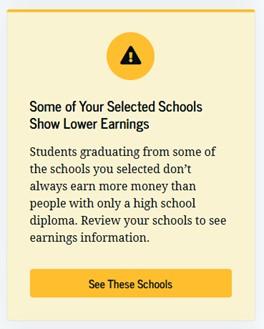
This initiative is particularly relevant for students applying for federal financial aid, as this data will now be presented to them during the application process.
Understanding the Benchmark: Earnings Compared to High School Graduates
The core of this federal alert lies in its comparison.It measures the median earnings of program completers against a benchmark representing the earnings of individuals who have completed high school and are employed between the ages of 25 and 34.
For most California schools, this benchmark is set at a specific median income figure for in-state high school graduates.
This comparison aims to highlight whether a particular educational program is associated with higher earning potential than simply entering the workforce with a high school education.
The Scope of the Alert: Which Schools are Flagged?
Across the nation, a significant number of institutions have been flagged with this "lower earnings" alert.These institutions are those where the typical graduate's earnings, four years after completion, fall below the established high school graduate benchmark.
While the alert primarily impacts for-profit institutions, including many vocational and trade schools, it's important to note that some public and private non-profit schools have also received this designation.
This broad application underscores the federal government's intent to provide a comprehensive overview of earnings data across a wide spectrum of educational providers.
California's Educational Landscape: Insights from the Federal Data
In California, the federal earnings indicator has brought attention to 132 schools and colleges.These institutions collectively serve a substantial number of students, highlighting the widespread impact of this new disclosure.
The data reveals that a significant portion of these flagged schools are for-profit entities, offering a range of programs from beauty and cosmetology to specialized trades and healthcare support.
For-Profit Institutions and the Earnings Benchmark
The majority of California schools that triggered the "lower earnings" alert are for-profit institutions.These schools often provide specialized training and credentials that can lead to specific career paths.
However, the federal data suggests that, on average, graduates from these programs may not see a significant earnings boost compared to individuals with only a high school diploma.
This has led to discussions about the value proposition and the effectiveness of certain for-profit programs in preparing students for higher-paying careers.
Public and Non-Profit Schools: A Closer Look
While for-profit institutions dominate the list, a few public and private non-profit schools in California have also received the "lower earnings" designation.This includes community colleges and specialized institutions like music conservatories and drama schools.
The inclusion of these diverse institutions raises important questions about how earnings data should be interpreted, especially when considering programs with broader educational or artistic goals that may not directly translate into immediate high earnings.
Examining the Data: Nuances and Criticisms
The introduction of the federal earnings indicator has sparked considerable debate and concern among educational institutions and stakeholders.Critics argue that a single earnings metric may not adequately capture the full value of an education, particularly for students from disadvantaged backgrounds or those pursuing careers with non-traditional compensation structures.
The Impact of Socioeconomic Factors and Geographic Location
Studies indicate that socioeconomic factors and the local economic landscape can significantly influence graduate earnings.For instance, schools located in areas with lower average wages or limited job markets may see their graduates earn less, even if the education provided is of high quality.
Institutions serving high-poverty communities or offering programs that prepare students for local service industries may face challenges in meeting a benchmark set against broader economic conditions.
This is a critical point for students to consider when evaluating earnings data in the context of their own circumstances and career aspirations.
Considering Tips and Part-Time Employment
Certain industries, such as cosmetology and hospitality, often involve a significant portion of earnings derived from tips.The federal indicator, which typically focuses on base wages, may not fully account for this additional income.
Furthermore, many students, especially those attending vocational schools, may be young mothers or individuals working part-time to support themselves and their families.
Their earnings data might reflect part-time employment rather than full-time career trajectories, leading to a potentially misleading representation of their long-term earning potential.
The Role of Federal Financial Aid and Future Regulations
The federal earnings indicator is not merely an informational tool; it has direct implications for how students access federal financial aid.This new disclosure is integrated into the Free Application for Federal Student Aid (FAFSA), meaning students will encounter this information as they apply for grants and loans.
Transparency in Federal Student Aid Applications
Starting this month, students applying for federal financial aid will see this earnings data for the institutions they list on their FAFSA.This aims to provide immediate transparency, allowing prospective students to review the earnings information alongside other crucial details about colleges and programs.
This proactive approach is designed to foster more informed decision-making before students commit to a course of study.
Anticipating Future Accountability Measures
The current earnings disclosure is a precursor to more stringent accountability measures.A new law is poised to take effect next summer, which could disqualify academic majors or credentials from federal loan eligibility if they cannot demonstrate an increase in graduates' earnings compared to high school graduates.
This "do no harm" standard signifies a growing federal emphasis on ensuring that federal student aid leads to tangible economic benefits for students.
Mentofy's Commitment to Informed Learning and Career Success
At Mentofy, we believe that education is a powerful catalyst for personal and professional growth.We understand the importance of providing students with the resources and knowledge they need to make sound educational and career choices.
While federal initiatives like the earnings indicator offer valuable data points, it's essential to approach this information with a comprehensive perspective.
Empowering Students with Holistic Career Guidance
We are committed to offering a learning environment that goes beyond simple metrics.Mentofy focuses on developing critical thinking skills, fostering adaptability, and providing pathways to in-demand careers.
We encourage students to consider a wide range of factors when choosing an educational path, including program quality, faculty expertise, career services support, and their own personal interests and aptitudes.
Navigating the Educational Landscape with Confidence
The evolving landscape of higher education and financial aid can be complex.Mentofy is dedicated to demystifying these processes for our global learning community.
We aim to equip students with the understanding and tools necessary to navigate their educational journeys confidently, ensuring that their investment in learning leads to fulfilling and prosperous futures.
By embracing transparency and providing robust educational resources, we help students make choices that align with their long-term goals and aspirations.
Conclusion: Making Informed Decisions for a Brighter Future
The federal government's new earnings indicator represents a significant step towards greater transparency in higher education.While this data provides a valuable benchmark for understanding potential post-graduation earnings, it's crucial for students to interpret it within a broader context.
Factors such as socioeconomic background, industry-specific compensation models, and the overall value of an education beyond immediate financial returns should all be considered.
At Mentofy, we champion a holistic approach to learning and career development, empowering students to make informed decisions that lead to lasting success and fulfillment.
By combining federal data with comprehensive educational resources and personalized guidance, students can confidently chart a course toward their desired future.







 Explore AI Teaching Tools
Comments (0)
Please login to comment
No comments yet
Be the first to comment on this article