
Malaysia Ignites Energy Shift: B15 Biodiesel Rollout Signals Bold Move Amidst Global Volatility
As the world grapples with fluctuating energy markets, Malaysia is poised to make a significant stride in its green transition. Starting June 1st, the nation will gradually elevate its biodiesel blend rate in Peninsular Malaysia from B10 to B15, a strategic maneuver designed to bolster energy security and invigorate the domestic palm oil sector.
A Dual-Pronged Strategy for National Resilience
This ambitious initiative by the government arrives at a critical juncture, aiming to reduce dependence on imported fossil diesel. More than just an environmental step, it represents a calculated strategy to enhance the nation's energy independence while simultaneously stimulating demand for locally cultivated palm oil.
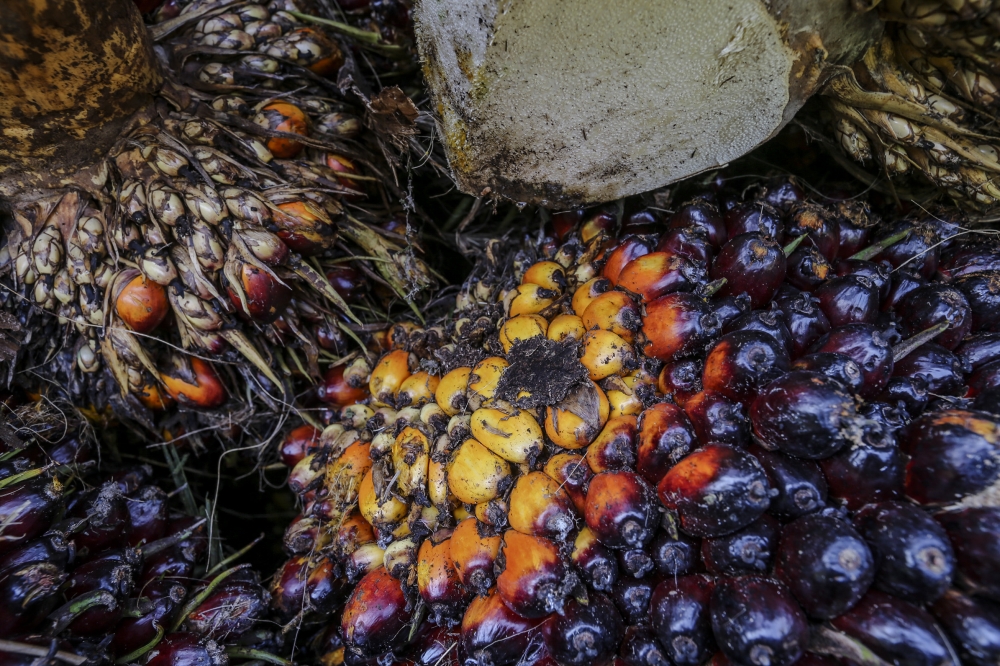
The new B15 blend will incorporate 15 percent palm oil-based biodiesel, known as Palm Methyl Ester (PME), mixed with 85 percent petroleum diesel. Crucially, this adjustment is designed to be compatible with most existing diesel vehicles, requiring no engine modifications.
Phased Implementation and Economic Catalysis
The government has outlined a phased approach to increasing biodiesel production, aligning with market readiness and industry capacity. This ensures a smooth transition and maximizes the benefits for the national economy.
Beyond fuel, the initiative unlocks new value chains within Malaysia's robust commodity sector. By-products from the palm oil industry, including crude palm oil sludge, are being eyed for their potential in producing biodiesel and even aviation fuel.
Biodiesel is also being championed as a powerful catalyst for rural economic development. Key agencies are being mobilized to ensure that the benefits of this growing industry reach communities across the country, fostering new opportunities and livelihoods.
Ensuring Supply and Addressing Concerns
The government has provided assurances that the rollout will be meticulously planned, with careful consideration given to the nation's palm oil supply capacity, industrial readiness, and existing infrastructure. This proactive approach aims to prevent any disruptions.
Estimates suggest that the B15 implementation will require approximately 0.8 million tonnes of palm oil annually. This figure is significantly lower than the country's substantial domestic supply surplus, which stands at around four million tonnes per year.
Consequently, the increased domestic consumption is not expected to impact Malaysia's substantial palm oil exports, which currently reach approximately 16 million tonnes annually. The nation's export markets remain robust.
Strengthening Energy Reserves in Turbulent Times
Experts highlight the potential for increased biodiesel usage to bolster the nation's diesel stockpiling capabilities. This could prove invaluable in ensuring supply stability should global energy crises, potentially exacerbated by geopolitical tensions, persist.
Concerns regarding the compatibility of biodiesel with vehicle engines are being proactively addressed. Government officials have confirmed that Malaysia's existing vehicle standards, established in 2020, already accommodate biodiesel blends up to B20, indicating a high level of preparedness.
The successful introduction of B20 in various regions, including Langkawi, Labuan, and Sarawak, without significant reported issues, further underscores the viability of higher biodiesel blends. These trials have provided valuable real-world data.
A Legacy of Gradual Integration
Malaysia's journey with biodiesel is a testament to its commitment to a sustainable energy future. The National Biodiesel Programme began modestly with B5 in 2011, gradually expanding to B7 by 2014.
Subsequent phases saw the introduction of B10 and B20 between 2019 and 2020, building momentum and refining the implementation process. This consistent, phased approach has laid a strong foundation for the current B15 expansion.
With 19 licensed biodiesel plants currently operational, Malaysia possesses the capacity to support the B15 blend and its long-term ambitions. These facilities are crucial for the nation's green agenda, which includes future targets of B20, B30, and potentially even B50.
The widespread adoption of biodiesel derived from renewable sources is a key pillar in Malaysia's strategy to reduce greenhouse gas emissions. This initiative reinforces the nation's dedication to low-carbon development and a more sustainable energy landscape for generations to come.







 Explore AI Teaching Tools
Comments (0)
Please login to comment
No comments yet
Be the first to comment on this article