

Early Preschool Inclusion: A Bold Strategy to Curb Soaring Special Education Costs?
A quiet revolution is brewing in California's early education landscape, one that promises not only to transform the lives of its youngest learners but also to offer a powerful antidote to one of the state's most significant fiscal challenges: the escalating cost of special education services.
While the majority of California's preschoolers with disabilities are educated separately from their peers, a growing body of evidence and a handful of pioneering districts suggest that integrating these students into general education classrooms from the earliest years could yield profound educational and financial benefits.
The Unseen Divide: Preschoolers with Disabilities Left Behind
The stark reality is that only one in three students in California identified with disabilities are currently receiving their preschool education alongside their typically developing peers. This separation, often beginning in the crucial preschool years, sets a trajectory that can be difficult to alter.
This approach stands in contrast to the foundational principles of inclusive education, which mandate that students with disabilities be educated in the least restrictive environment possible, fostering interaction and shared learning experiences.
Experts warn that this early segregation can have long-lasting consequences, effectively predetermining a child's educational path before they even enter kindergarten. The critical window for intervention and natural skill development is often missed.
A Glimmer of Hope: The Paso Robles Model of Inclusion
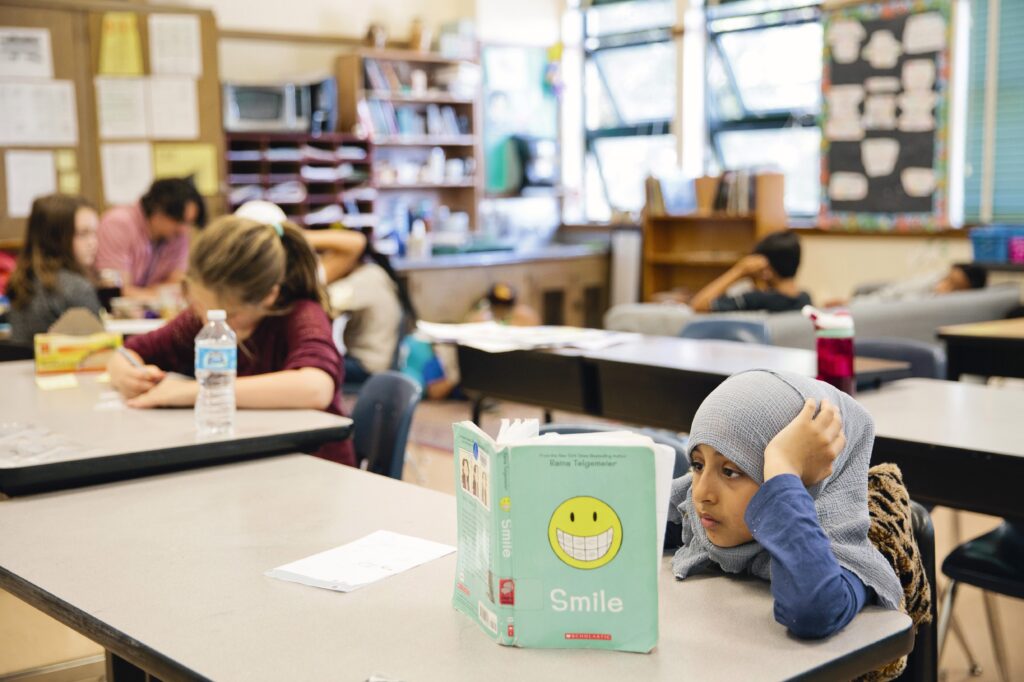
In the Paso Robles Joint Unified School District, the Marie Bauer Early Education Center offers a compelling counter-narrative. Here, a vibrant preschool classroom buzzes with the energy of young children engaged in learning, singing, and play, indistinguishable from any other early learning environment.
However, within this seemingly typical setting, children with disabilities are learning side-by-side with their classmates who do not require special education services. This integrated approach is far from the norm across California.
Educators and parents in Paso Robles are witnessing firsthand the transformative power of this inclusive model, observing enhanced developmental outcomes for students with disabilities and a notable reduction in the need for more intensive, and expensive, specialized interventions in later grades.
The Fiscal Imperative: Tackling Special Education's Ballooning Budget
The financial strain of special education services is a growing concern for school districts nationwide, and California is no exception. Projections indicate a significant increase in special education funding needs for the upcoming state budget, potentially reaching a 43% rise over the previous year.
This burgeoning expenditure presents a critical juncture for districts. Experts suggest that this moment could be leveraged not just to cover rising costs but to implement strategies that curb their future growth.
Investing in inclusive preschool settings, according to finance experts, represents one of the most potent opportunities for both significant educational gains and substantial fiscal returns for districts.
The Promise of Early Intervention
The rationale is clear: the earlier children receive appropriate support and engage in rich learning environments, the more effectively they can develop foundational skills. This can significantly reduce the intensity and duration of specialized services required as they progress through their academic careers.
A report from a leading education finance consulting firm highlights inclusive preschool as a key strategy for districts aiming to achieve both educational excellence and financial sustainability.
The report advocates for a strategic redirection of resources towards these early, integrated learning environments, recognizing their potential to shape long-term student success and alleviate future financial burdens.
Beyond the Classroom Walls: Real-World Impact
Heather Wahlberg, director of early childhood education at Paso Robles Joint Unified, acknowledges that establishing high-quality early education programs requires investment. However, she emphasizes that the dividends are already being realized within her district.
Paso Robles has seen a remarkable halving of students requiring placement in highly staffed special day classes. Furthermore, a significant percentage of students are now entering kindergarten without the need for any special education services at all.
This success story underscores the potential of proactive, inclusive early education to reshape student trajectories and positively impact district budgets.
Why the Sticking Point? Barriers to Widespread Inclusion
Despite the clear advantages, the widespread adoption of inclusive preschool models faces significant hurdles. Researchers point out that preschool represents an ideal time for inclusion, as developmental gaps between children with and without disabilities are often at their narrowest.
Yet, a substantial number of young children with disabilities continue to be educated in segregated settings, often with different teachers, classrooms, and even separate schedules for activities like recess and lunch.
This segregation runs counter to the spirit and letter of federal and state laws that champion the right of students with disabilities to learn alongside their peers in the least restrictive environment.
The "Point of No Return" in Early Years
The stakes in these early years are exceptionally high. Once a child is placed in a separate setting, the likelihood of them transitioning to a more inclusive environment later in their educational journey diminishes significantly.
This means that decisions made about preschool placements can, in effect, shape a child's entire school experience, potentially limiting their opportunities for social integration and academic growth.
The data paints a concerning picture: only 33% of California preschoolers with disabilities learn in inclusive settings, a figure that lags behind the national average of 45%.
Navigating the Labyrinth: Funding and Implementation Challenges
Transitioning to a truly inclusive model requires more than just a policy shift; it demands substantial time, meticulous coordination, and significant upfront investment. This includes providing comprehensive professional development for teachers and staff, as well as adapting classrooms and playgrounds to ensure accessibility for all students.
Funding these inclusive preschool classrooms presents a complex challenge, as districts must navigate a fragmented system of funding streams, each with its own intricate staffing and licensing requirements. Programs like the California State Preschool Program, while vital, can add layers of complexity.
Unlike the more streamlined K-12 funding structures, preschool funding often creates disparities, meaning that a child's access to inclusive education can, in practice, depend on their family's income or whether they have a diagnosed disability, even within the same school district.
Breaking Down Silos: A District's Unified Vision
The Paso Robles Joint Unified School District once operated its state preschool, general education preschool, and special education preschool programs in complete isolation. This siloed approach created inefficiencies and limited opportunities for collaboration.
Recognizing the need for a more cohesive strategy, the district leadership made a deliberate decision to unify all students under the umbrella of inclusive classrooms, viewing them all as future members of the school community.
This shift involved integrating various funding sources, including state preschool funds, district allocations for special education students, and parent tuition payments, to support the inclusive model at Marie Bauer Early Education Center.
State Support and the Path Forward
The California Department of Education, through the California Early Childhood Special Education Network, plays a crucial role in assisting school districts as they embark on the journey toward inclusive classrooms. The state also offers grants designed to support the planning and implementation phases of these initiatives.
These grants have been instrumental in alleviating initial concerns districts may have about startup costs and fostering a collaborative environment for addressing these complex transitions. The support from the state has been a powerful catalyst for change.
However, some experts believe the state could take even bolder steps. If inclusive early education demonstrably reduces the need for more intensive and costly services later, then districts should be encouraged, or even required, to allocate a greater portion of their special education funding towards these critical early years.
A Parent's Perspective: Witnessing Transformative Growth
For parents, the benefits of inclusive early education are often profoundly evident long before their children reach the formal schooling years. Michelle Robinson shares the inspiring story of her grandson, Everest, who was born prematurely and experienced delays in speech and motor development.
Since enrolling in the Marie Bauer Early Education Center two years ago, Everest has made remarkable progress. Robinson describes his development as "leaps and bounds," attributing his newfound confidence and excitement for the upcoming transition to Transitional Kindergarten to his positive preschool experience.
She reflects on how her older grandson, who missed out on preschool due to pandemic disruptions and a lack of awareness about available services, faced significant challenges upon entering kindergarten. This contrast highlights the critical role of early, inclusive education.
The Ripple Effect: Kindergarten Readiness and Beyond
Wahlberg notes that kindergarten teachers in Paso Robles can often identify students who attended the district's inclusive preschool program. These students consistently demonstrate stronger self-regulation, enhanced language and social skills, and improved fine motor abilities.
Delayed speech and language development is one of the most prevalent challenges among young children today. Factors such as developmental delays, autism, pandemic-related isolation, and excessive screen time can all contribute to limited opportunities for language acquisition.
Paso Robles is beginning to see a positive impact on student behavior, with a notable decline in behavioral issues among students who participated in the preschool program. The number of preschoolers requiring placement in special day classes in transitional kindergarten or kindergarten has decreased significantly.
These specialized classes are inherently more expensive due to their higher staffing ratios, typically requiring one teacher and aides for every ten students. By fostering stronger foundational skills in preschool, districts can potentially reduce the need for these costly interventions.
Ultimately, building a child's capacity to navigate disappointment and frustration is not just about emotional well-being; it's about cultivating the problem-solvers, critical thinkers, and resilient learners of the future.




 Explore AI Teaching Tools
Comments (0)
Please login to comment
No comments yet
Be the first to comment on this article