
Unlocking Potential: Why Every Preschooler Needs More Outdoor Nature Time
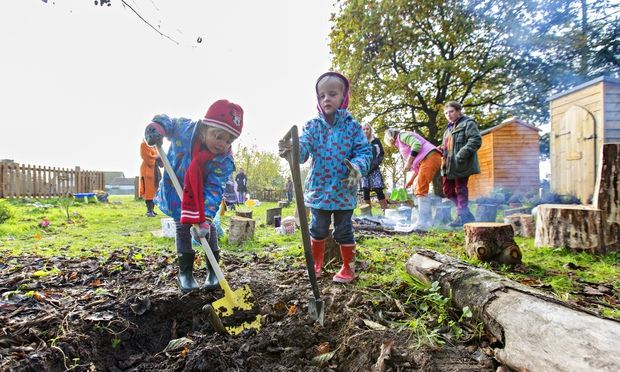
Imagine a classroom where the ceiling is the boundless sky, a fluttering butterfly sparks a science lesson, and a gentle breeze becomes a tangible example of air currents.
This is the essence of nature-based learning, a powerful approach that immerses young children in the wonders of the natural world.
While many modern preschools are increasingly tethered to indoor environments and digital screens, research overwhelmingly suggests that ample time spent outdoors is not just beneficial, but vital for the holistic development of children aged 3 to 5.
At Mentofy, we champion educational philosophies that nurture curiosity and growth, and the profound impact of nature on early learning is a cornerstone of this belief.
The Unrivaled Classroom: Nature's Expansive Learning Environment
The traditional classroom, with its four walls and structured curriculum, often struggles to replicate the rich, multi-sensory experiences that nature readily provides.
For young children, the outdoor environment is a dynamic, ever-changing playground that naturally invites exploration and discovery.
From the intricate patterns on a fallen leaf to the complex ecosystem within a patch of soil, every element offers a unique learning opportunity.
This hands-on engagement fosters a deeper understanding and connection to the world around them, far beyond what textbooks or screens can offer.
Studies indicate that when children are given the freedom to interact with natural elements – digging in the dirt, climbing over logs, or observing insects – their cognitive, physical, and emotional development flourishes.
From Play to Pedagogy: Nature as a Teacher
In an outdoor setting, learning is not confined to pre-planned lessons; it is organically woven into the fabric of play.
A cluster of ladybugs can transform into a spontaneous science lesson about life cycles.
A muddy stream can become an impromptu art studio for creating natural sculptures.
A collection of sticks can be the building blocks for an imaginative fort.
This inherent adaptability of nature as a teaching tool is invaluable for preschool-aged children, who learn best through active participation and exploration.
The very act of navigating uneven terrain, balancing on natural obstacles, and engaging with diverse textures sharpens their motor skills and spatial awareness.
This type of play-based learning is crucial for developing problem-solving abilities and fostering creativity.
The Growing Disconnect: Indoor Overload and Its Consequences
Despite the clear advantages, a significant trend in contemporary early childhood education sees children spending an increasing amount of time indoors, often captivated by digital devices.
This shift away from outdoor experiences is a growing concern, as research highlights a strong correlation between excessive screen time and a decline in children's physical and mental well-being.
Studies indicate that this indoor-centric approach can contribute to a range of health issues, including increased rates of hyperactivity, obesity, and even stress.
The constant stimulation of screens, coupled with a lack of physical activity and sensory engagement, can hinder the natural development of a child's neurological system.
This is particularly concerning for children from less privileged backgrounds who may have limited access to safe and enriching outdoor spaces.
The Erosion of Essential Skills: How Indoor Over-Restriction Impacts Development
The modern emphasis on safety and structured indoor activities, while well-intentioned, can inadvertently lead to a new set of risks for children.
Pediatric occupational therapists have observed that many young children now exhibit difficulties with balance, coordination, and fine motor skills – abilities that were once more readily developed through natural outdoor play.
This is because children at this age are biologically wired for movement and exploration.
When their natural inclination to move and play is overly restricted, their neurological pathways may not develop as robustly as they should.
This can manifest as challenges with attention, increased clumsiness, and a general difficulty in engaging with their physical environment.
The ability to sit still and focus in a traditional classroom setting is often a direct result of having had ample opportunities for energetic, free-range play earlier in the day.
Reclaiming the Roots: The Enduring Wisdom of Nature-Based Education
The concept of nature-based learning is not a new phenomenon; it is deeply rooted in the foundational principles of early childhood education.
The very term "kindergarten," coined by Friedrich Froebel, the visionary founder of the movement, signifies this connection.
Froebel envisioned children as delicate plants needing care and cultivation to flourish, and his original programs often included actual gardens where children could tend to their own plots.
This emphasis on learning through nature was a critical component of his philosophy, alongside the importance of well-trained educators.
Today, there is a renewed appreciation for these principles, with a growing understanding that neglecting the outdoor element has led to a significant loss in the richness of early childhood education.
The forest school model, which has seen a surge in popularity, exemplifies this return to nature, with children spending the majority of their preschool day immersed in natural landscapes.
The Rise of Forest Schools: A Testament to Nature's Power
Forest schools, originating from Scandinavian educational traditions, have experienced a remarkable resurgence, particularly in recent years.
These programs prioritize outdoor learning, allowing children to explore, play, and learn within natural environments for the entirety of their school day.
This immersive approach has proven to be incredibly effective, fostering a deep connection with nature while simultaneously promoting robust development.
The increase in the number of nature preschools across the globe is a clear indicator of the growing recognition of their value.
Research consistently shows that increased exposure to nature, coupled with a reduction in screen time, significantly benefits children's mental and academic health.
This is because natural spaces are the environments in which the human body and mind have evolved to thrive, offering the sensory variations and physical challenges that promote alertness and relaxation – ideal states for learning.
The Tangible Benefits: How Nature Enhances Learning and Well-being
The advantages of integrating more outdoor time into the preschool curriculum are multifaceted and profound.
Studies have consistently linked time spent in nature with improved executive functioning in children.
This includes enhanced attention spans, better short-term memory, and improved impulse control.
For instance, research involving hundreds of preschoolers revealed a direct correlation between outdoor activity and sharper executive functions, while also highlighting a connection between excessive indoor time and increased hyperactivity symptoms.
The natural world provides a rich tapestry of experiences that naturally engage a child's senses and cognitive abilities.
The varied terrain encourages a wide range of movements, from climbing and balancing to crawling and jumping, all of which contribute to better physical coordination and motor skill development.
This active engagement is not just about physical health; it directly supports cognitive growth and emotional regulation.
Cultivating Calm and Focus: Nature's Antidote to Modern Stressors
In an era marked by increasing concerns about children's behavioral issues and attention deficits, nature-based learning is emerging as a powerful antidote.
The calming presence of natural environments can help children develop a sense of stillness, focus, and emotional regulation.
When children are given ample time for free play in nature, they often become more engaged and less prone to restlessness.
This deep immersion in play allows their nervous systems to settle, fostering a state of alert relaxation that is conducive to learning.
The unpredictable and stimulating elements of the outdoors, from the rustling of leaves to the chirping of birds, provide a gentle yet effective way to sharpen a child's awareness and responsiveness.
This can translate into improved concentration and a greater capacity for quiet engagement when needed, making it easier for them to transition to more structured learning activities.
The Foundation of Learning: Play as a Superpower
At the heart of effective early childhood education lies the power of play.
For young children, play is not merely a pastime; it is their primary mode of learning and exploration.
Outdoor environments, with their inherent opportunities for imaginative and physical play, are particularly conducive to fostering this crucial developmental stage.
Research suggests that robust play experiences can even help to close the achievement gap, providing all children with a more equitable foundation for future learning.
By increasing the amount and quality of outdoor play, we are directly investing in young children's cognitive, physical, and social-emotional development.
Providing additional guidance and funding to support nature-based learning in preschool settings is therefore a critical step towards ensuring positive early childhood educational experiences for all learners.
Nature's Role in Holistic Development: Beyond Academics
The benefits of outdoor time extend far beyond academic readiness.
Nature provides a unique context for children to develop a strong sense of self, build resilience, and cultivate empathy.
When children are encouraged to explore, take calculated risks, and problem-solve independently in natural settings, they build confidence and a sense of agency.
They learn to adapt to changing conditions, persevere through challenges, and develop a deep appreciation for the interconnectedness of life.
This fosters a holistic development that nurtures not just their intellect, but also their emotional intelligence and their connection to the wider world.
The natural world offers a constant source of awe and wonder, inspiring curiosity and a lifelong love of learning.
Conclusion: Embracing Nature for a Brighter Future
The evidence is compelling: more time spent outdoors in nature is essential for the healthy development and optimal learning of preschool-aged children.
From enhanced cognitive abilities and improved physical health to greater emotional regulation and a deeper connection with the world, the benefits are undeniable.
At Mentofy, we advocate for educational approaches that recognize the profound impact of the natural environment on young minds.
By reimagining our preschools as vibrant, nature-infused spaces, we can unlock the full potential of every child, fostering a generation that is curious, resilient, and deeply connected to the world around them.
It is time to move beyond the limitations of indoor classrooms and embrace the boundless opportunities that nature offers as the ultimate learning laboratory.





 Explore AI Teaching Tools
Comments (0)
Please login to comment
No comments yet
Be the first to comment on this article