
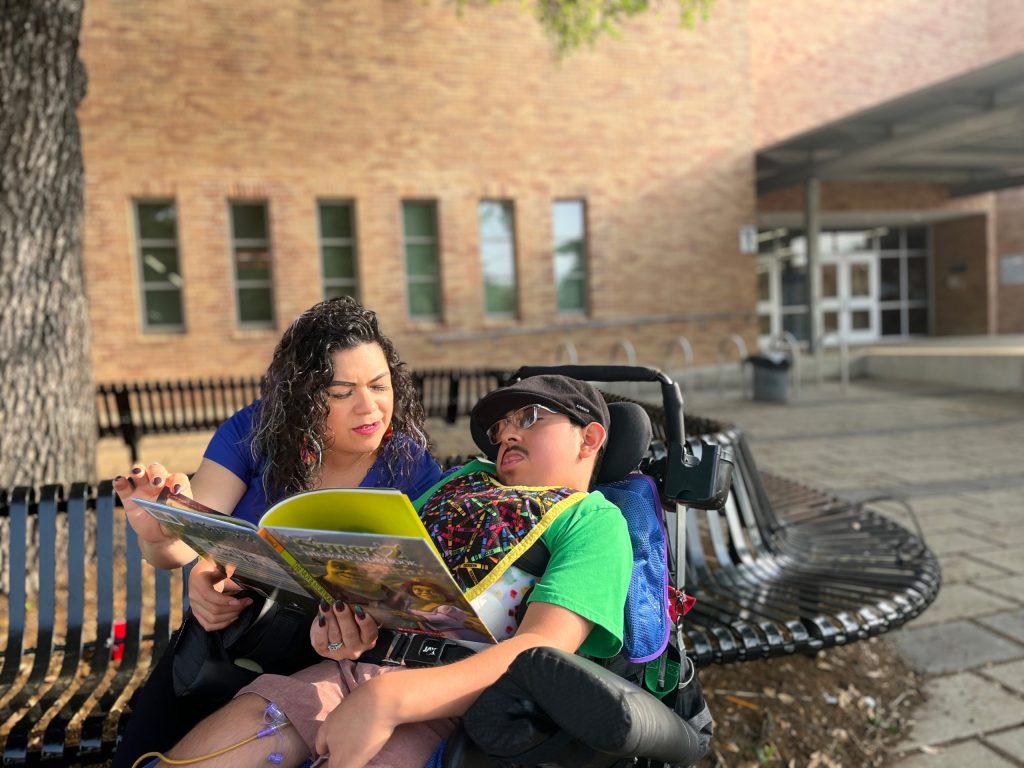
Navigating Special Education Support: A Comprehensive Guide for Parents and educators
The landscape of education is constantly evolving, and ensuring that every student receives the support they need is paramount.For children with special needs, this means understanding the intricate systems designed to provide a free and appropriate public education.
This article delves into the critical aspects of special education, exploring the foundational laws, the administrative structures that support them, and the vital role of parents and advocates in ensuring these rights are upheld.
We aim to equip you with the knowledge to navigate this essential area of education, fostering a more inclusive and effective learning environment for all.
Understanding the Pillars of Special Education Law
At the heart of special education lies a commitment to equity and access.For decades, dedicated efforts have shaped legislation that guarantees educational opportunities for students with disabilities.
These laws are not merely bureaucratic documents; they are the bedrock upon which inclusive education is built, outlining the responsibilities of educational institutions and the rights of students and their families.
The Individuals with Disabilities in Education Act (IDEA)
The Individuals with Disabilities in Education Act (IDEA) is a cornerstone of special education in the United States.It mandates that all children with disabilities have access to a free, appropriate public education (FAPE) tailored to their individual needs.
This means that schools must identify, evaluate, and provide special education and related services to eligible children.
The law emphasizes a child-centered approach, ensuring that educational plans are developed collaboratively with parents and educators.
Key Principles of IDEA
- Free Appropriate Public Education (FAPE): Ensuring that all children with disabilities receive the special education and related services they need at no cost to their parents.
- Least Restrictive Environment (LRE): Mandating that students with disabilities are educated with non-disabled peers to the maximum extent appropriate.
- Individualized Education Program (IEP): A legally binding document that outlines a student's specific educational goals, services, and accommodations.
- Parent Participation: Requiring schools to involve parents in all decisions regarding their child's special education.
- Procedural Safeguards: Providing parents with rights and protections to ensure fairness and due process in the special education process.
The Administrative Framework for Special Education
Effectively implementing special education laws requires a robust administrative structure at both federal and local levels.This framework ensures that policies are translated into practice, resources are allocated appropriately, and accountability is maintained.
Understanding the roles of different government departments and offices is crucial for navigating the system.
The Role of the Federal Department of Education
The federal Department of Education plays a pivotal role in overseeing special education initiatives across the nation.It is responsible for interpreting and enforcing federal laws, providing guidance to states and local districts, and allocating federal funding to support special education programs.
Within the department, specific offices are dedicated to ensuring that the needs of students with disabilities are met.
The Office of Special Education Programs (OSEP)
The Office of Special Education Programs (OSEP) is a critical component of the federal Department of Education.Its primary mission is to improve the outcomes for children with disabilities by providing leadership and funding to states and local districts.
OSEP works to ensure that the principles of IDEA are understood and implemented effectively, supporting research, technical assistance, and data collection to enhance the quality of special education services.
State and Local Education Agencies
While the federal government sets the overarching framework, state departments of education and local school districts are on the front lines of delivering special education services.State agencies are responsible for implementing federal laws within their specific contexts, developing state-specific regulations, and monitoring compliance.
Local school districts, in turn, are responsible for identifying eligible students, developing IEPs, and providing the necessary services and supports.
The Importance of Local Administration
The administration within a local school district is where the day-to-day work of special education takes place.This often involves a dedicated special education department, school psychologists, special education teachers, and support staff.
Their collective efforts are essential for creating an inclusive school environment and ensuring that each student's educational journey is supported.
Empowering Parents and Advocates in Special Education
The success of special education hinges not only on robust laws and administrative structures but also on the active engagement of parents and advocates.These individuals serve as crucial bridges between students, schools, and the broader legal and administrative systems.
Their dedication ensures that the rights of students with disabilities are protected and that they receive the best possible educational experience.
Becoming an Effective Advocate for Your Child
Parents are often the first to recognize a child's unique learning needs.Becoming an informed and vocal advocate is essential for ensuring that those needs are met.
This involves understanding your child's disability, the provisions of IDEA, and your rights within the educational system.
Practical Tips for Parent Advocacy
- Educate Yourself: Thoroughly understand your child's diagnosis and the specific educational supports outlined in IDEA.
- Document Everything: Keep detailed records of all communications with the school, assessments, and progress reports.
- Attend IEP Meetings Prepared: Come to meetings with clear goals, questions, and any supporting documentation.
- Collaborate with the School: View the school as a partner in your child's education, fostering open and respectful communication.
- Seek Support: Connect with other parents, advocacy groups, or legal professionals if needed.
The Role of Advocacy Organizations
Numerous organizations are dedicated to supporting individuals with disabilities and their families.These groups provide invaluable resources, information, and advocacy services.
They often work to influence policy, raise public awareness, and offer direct support to families navigating the complexities of special education.
Their collective voice amplifies the needs of the special education community.
Addressing Challenges and Ensuring Continuity in Special Education
The field of special education is not without its challenges.Changes in administration, funding uncertainties, and evolving educational philosophies can create disruptions.
It is vital to understand these potential challenges and to advocate for policies that ensure the continuity and effectiveness of special education services.
The Impact of Administrative Changes
Shifts in governmental administrations can sometimes lead to changes in policy and priorities concerning education, including special education.It is important for parents, educators, and advocates to remain vigilant and informed about any proposed changes that could affect the rights and services available to students with disabilities.
Maintaining a strong understanding of existing laws and advocating for their consistent application is key.
Ensuring Funding and Resource Allocation
Adequate funding is essential for providing high-quality special education services.This includes funding for qualified personnel, specialized materials, assistive technology, and professional development.
Advocacy efforts often focus on ensuring that sufficient resources are allocated to support the needs of all students with disabilities.
Conclusion
The journey of special education is a collaborative effort, requiring the dedication of educators, administrators, parents, and advocates.By understanding the foundational laws like IDEA, the administrative structures that support them, and the indispensable role of advocacy, we can work together to create a more equitable and effective educational system for every child.
At Mentofy, we are committed to providing the educational resources and insights that empower individuals to navigate and contribute to this vital aspect of learning.
The pursuit of inclusive education is an ongoing endeavor, and informed engagement is the most powerful tool we possess.






 Explore AI Teaching Tools
Comments (0)
Please login to comment
No comments yet
Be the first to comment on this article