
Ohio District Ignites Literacy Surge for English Learners Post-Pandemic
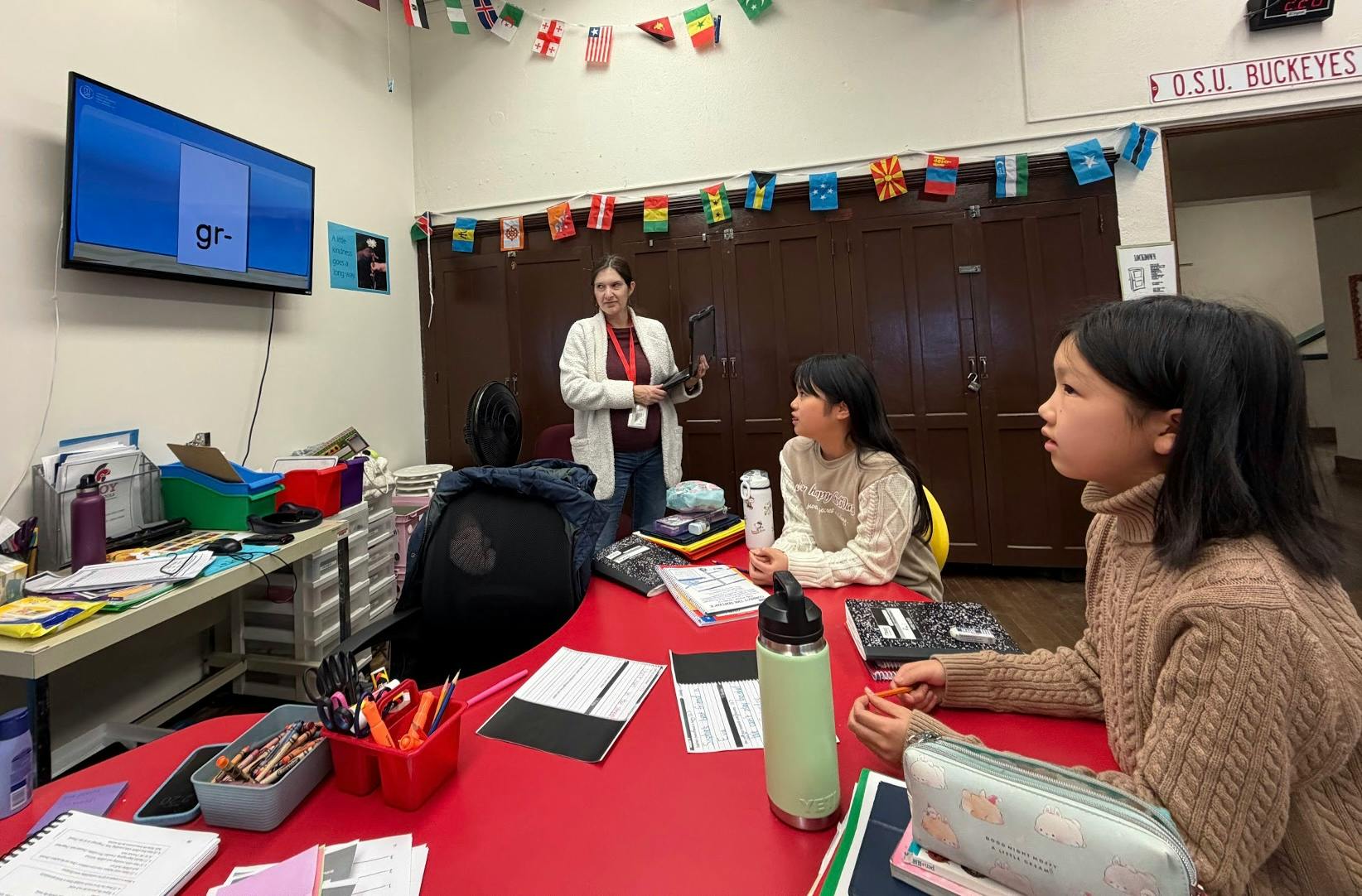
Imagine navigating the complexities of elementary school—playground dynamics, multiplication tables, and the fundamental skill of reading—all while simultaneously deciphering a new language. This is the compounded challenge faced by students learning English as a second language, a hurdle that Troy City Schools in Ohio has actively worked to overcome, demonstrating remarkable progress in boosting literacy rates for these multilingual learners.
Bridging the Language Divide
Troy City Schools, a district of nine campuses located about an hour north of Cincinnati, serves a diverse student population. While the majority of its 4,000 students speak English as their primary language, a notable segment, approximately 3 percent, hail from homes where languages like Spanish, Ukrainian, and Japanese are spoken. This demographic, though smaller than the national average of 11 percent for English learners, has become a focal point for the district's ambitious literacy initiatives.
The lingering effects of the pandemic have exacerbated existing literacy gaps nationwide, a concern that Sarah Walters, a literacy instructional support specialist, and her colleagues identified as a critical area for intervention. Their focus has been on ensuring that every student, regardless of their linguistic background, has equitable opportunities to succeed in their academic journey.
A Strategic Shift in Literacy Instruction
Recognizing the profound impact that foundational reading skills have on a student's entire academic trajectory, Troy City Schools embarked on a significant undertaking to bolster English learner literacy. The district invested in comprehensive professional development, training 116 staff members in the Orton-Gillingham approach. This multisensory method integrates auditory, visual, and kinesthetic elements into reading instruction, aiming to enhance comprehension and retention.
The training encompassed a wide range of educators, including every elementary teacher, intervention specialist, paraprofessional, and principal. This broad-based approach ensures a consistent and supportive learning environment for students across all grade levels and classrooms.
The Orton-Gillingham Advantage
The Orton-Gillingham methodology, which Sarah Walters herself became certified in, emphasizes a structured and sequential approach to teaching language-based skills. It breaks down reading into its fundamental components, such as phonics, phonemic awareness, and morphology, making it particularly effective for students who are new to the English language.
Teachers are trained to utilize engaging drills that connect literacy concepts through a combination of visuals, sounds, and physical movements. For instance, students might use flashcards to reinforce visual recognition of letters and words, or tap their fingers to each letter as they sound out and spell a word. This hands-on approach caters to different learning styles and strengthens memory recall.
Unlocking Word Origins
A unique aspect of the Orton-Gillingham training involves teaching students the origins and historical context of words. This deepens their understanding of word structure and helps them to more effectively decode unfamiliar vocabulary. By understanding the "why" behind certain spellings or pronunciations, students are empowered to become more confident readers.
Walters notes that multilingual learners particularly appreciate this aspect of the instruction. Instead of simply memorizing rules, they gain insight into the logic and evolution of the English language, which can be a powerful motivator. This approach combats the frustration that can arise when students encounter words that don't follow predictable phonetic patterns, often referred to as "red words."
From Fragmented Instruction to Cohesive Strategy
Prior to the implementation of the Orton-Gillingham approach, English language instruction within the district was often inconsistent and fragmented. This lack of a unified strategy made it challenging for English learners to build a strong foundation in reading and language acquisition.
The decision to adopt a district-wide, evidence-based literacy program was the result of careful deliberation. Danielle Romine, the director of elementary teaching and learning, explained that the district spent three years exploring and planning the initiative before securing the necessary funding. This investment was made possible through a combination of post-COVID relief grants and dedicated budget allocations from district leadership.
Tangible Results Emerge
The impact of this intensive training and strategic shift is becoming increasingly evident in the district's data. Walters reports that the district-wide third-grade reading proficiency saw a significant rebound, rising from 56 percent in the 2021-22 school year to an impressive 81 percent by 2023-24. This figure even surpasses the district's pre-pandemic achievement rates.
Furthermore, recent state data indicates that Concord Elementary, a school that had previously faced significant challenges with English learner proficiency, has now exceeded its target goals. This success story underscores the effectiveness of the targeted interventions implemented by the district.
Accelerated Progress for Newcomers
Teachers are sharing anecdotal evidence of the program's rapid impact. Walters has heard from educators who have witnessed English learner students make extraordinary progress in a short period. One striking example involves two students from Japan who joined an elementary school in the fall and were reportedly conversing in English by December of the same year.
Another student's phonics diagnostic score saw a remarkable improvement of 38 points within the same timeframe. These individual success stories highlight the power of a well-designed and consistently applied literacy program in accelerating language acquisition and academic achievement.
Expanding the Reach of Literacy Excellence
The success of the Orton-Gillingham initiative within Troy City Schools has generated enthusiasm for expanding its reach. Romine expressed a vision for supporting not only the district's own educators but also teachers in surrounding communities and potentially the entire county.
With Sarah Walters' expertise and certification, the district is well-positioned to become a resource for other educational institutions seeking to improve their literacy instruction, particularly for English learners. This collaborative approach could have a ripple effect, enhancing educational outcomes across a wider region.
A Foundation for Lifelong Learning
For English learners, achieving grade-level proficiency in reading is more than just a classroom metric; it's a critical step towards long-term academic and personal success. Walters emphasizes that the district's commitment extends beyond immediate gains, considering the future learning trajectories of students who may only spend a few years in the U.S. before returning to their home countries.
The goal is to equip these students with robust English language skills that will benefit them in all academic areas, from math and science to future educational pursuits. By prioritizing early literacy and providing effective, engaging instruction, Troy City Schools is ensuring that its multilingual students are not only keeping pace but are poised to thrive throughout their educational journeys and beyond.






 Explore AI Teaching Tools
Comments (0)
Please login to comment
No comments yet
Be the first to comment on this article