
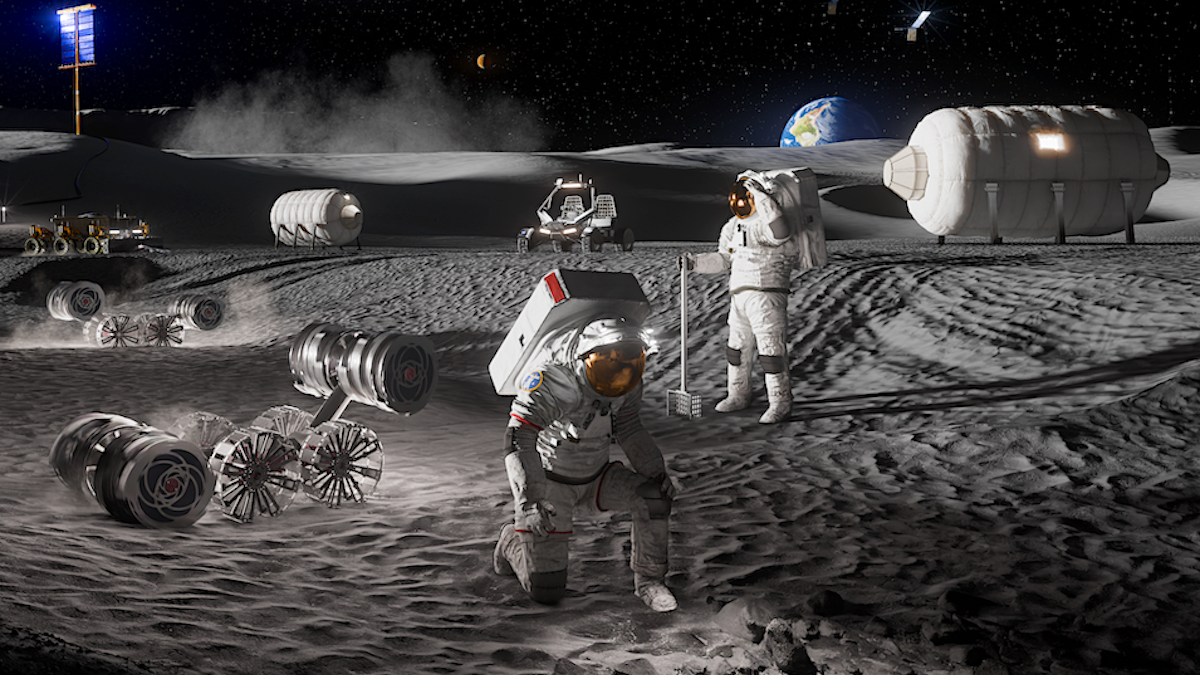
Imagine a scenario where every educator is a lunar architect, meticulously planning and executing complex projects with limited resources and immense stakes. This isn't a distant sci-fi dream; it's the reality NASA is stepping into with its ambitious Artemis program, and it begins a profound lesson for classrooms everywhere. The agency has officially kicked off Phase 1 of building its permanent lunar base, a monumental undertaking that demands innovation, collaboration, and a clear, phased approach. This signifies a shift from exploration to sustained presence, a concept educators can translate directly into their pedagogical strategies.
The Lunar Blueprint: A Phased Approach to Building the Future
NASA's plan to establish a sustainable presence on the Moon isn't a single, monolithic event. Instead, it's a carefully orchestrated sequence of missions, each building upon the successes of the last. This methodical progression is essential for managing risk, refining technology, and ensuring the long-term viability of the base. For educators, this highlights the power of breaking down large, seemingly insurmountable goals into manageable, actionable steps.
The initial phase focuses on foundational elements: establishing power, communication, and basic habitat structures. Think of it as laying the groundwork before constructing the towering edifice. This careful, deliberate approach minimizes the chance of catastrophic failure and allows for iterative improvements.
"This isn't just about planting a flag; it's about creating a home away from home," stated a NASA spokesperson, emphasizing the long-term vision for lunar habitation.
This philosophy directly mirrors effective teaching methodologies. Instead of overwhelming students with an entire curriculum at once, teachers introduce concepts sequentially, ensuring mastery at each stage before moving forward. This phased learning builds confidence and deepens understanding.
From Exploration to Habitation: What This Means for Educators
The shift from short-duration lunar missions to the establishment of a permanent base represents a fundamental change in objectives. It’s about creating an environment where humans can live and work for extended periods, pushing the boundaries of what's possible in extreme environments. This transition offers powerful analogies for educators seeking to foster deeper learning and critical thinking.
Consider the challenges of sustaining life on the Moon: resource management, closed-loop systems, and psychological well-being. These are complex problems that require creative solutions and a multidisciplinary approach. Educators can leverage these real-world challenges to engage students in project-based learning, encouraging them to brainstorm innovative solutions.
This initiative also underscores the importance of adaptability. As NASA encounters unforeseen obstacles, their plans will undoubtedly evolve. Similarly, educators must remain flexible, adjusting their teaching strategies based on student needs and emerging educational technologies. The ability to pivot and innovate is paramount.
Igniting Curiosity: The Power of Real-World Science
The sheer ambition of building a moon base is inherently captivating. It taps into a universal human desire for exploration and discovery. For educators, this provides an unparalleled opportunity to spark student interest in STEM fields.
Imagine integrating lessons on orbital mechanics, lunar geology, or life support systems into your curriculum. Tools like Mentofy AI teaching tools can help generate engaging lesson plans and assessments tailored to these exciting topics, making complex concepts more accessible.
Furthermore, the collaborative nature of the Artemis program—involving international partners and diverse scientific disciplines—offers a model for teamwork and global cooperation that can be discussed in classrooms.
The Building Blocks of a Lunar Future: Actionable Insights for Teachers
NASA's phased approach to building its moon base provides a rich framework for educators to implement in their own classrooms. Here's how you can translate these principles into practice:
- Break Down Complex Projects: Just as NASA divides its lunar base construction into distinct phases, help students tackle large assignments by breaking them into smaller, manageable tasks. This reduces overwhelm and promotes a sense of accomplishment.
- Embrace Iterative Learning: Encourage students to view mistakes not as failures, but as opportunities for refinement. NASA's process involves testing, learning, and iterating. Foster a classroom culture where experimentation is valued.
- Foster Collaboration: The Artemis program relies on the expertise of many individuals and nations. Promote group work and collaborative projects where students learn to leverage each other's strengths. Tools like MentofyGroups can facilitate smart student grouping and icebreakers.
- Highlight Real-World Applications: Connect classroom learning to tangible, exciting initiatives like the moon base. Show students how the science, technology, engineering, and math they are learning have direct, impactful applications.
- Utilize Engaging Learning Tools: Incorporate interactive elements that mirror the excitement of exploration. Consider using MentofyCove classroom games like trivia or word searches to reinforce concepts in a fun, competitive environment.
The full scope of NASA's lunar ambitions is still unfolding, but the foundational phase that begins now offers a powerful blueprint for educational success. By adopting a phased, iterative, and collaborative approach, educators can empower their students to tackle complex challenges and build their own bright futures, both on Earth and, perhaps one day, beyond.
A recent survey of over 1,500 educators indicated that 78% are seeking more ways to connect abstract concepts to real-world applications, a need directly addressed by the NASA initiative.
As NASA takes its first concrete steps towards a permanent presence on the Moon, it’s a timely reminder that even the most ambitious goals are achieved through careful planning, persistent effort, and a commitment to building step by step. This is the essence of true progress, and it’s a lesson that begins in our classrooms.






 Explore AI Teaching Tools
Comments (0)
Please login to comment
No comments yet
Be the first to comment on this article