
Unlocking Potential: The Crucial Role of Accessible Adult Education
Embarking on a journey of lifelong learning offers transformative power, especially for adults seeking to enhance their lives and the futures of their families.Despite the clear benefits, significant hurdles often prevent adults from accessing the educational opportunities they need.
This article delves into the vital importance of adult education, the common obstacles that stand in its way, and innovative strategies to ensure broader access, empowering individuals and communities alike.
The Overlooked Powerhouse: Why Adult Education Matters
Adult education is far more than just remedial schooling; it's a dynamic engine for personal growth, economic advancement, and societal well-being.For many adults, it represents a second chance, a pathway to new careers, improved earning potential, and greater civic engagement.
The impact ripples outward, significantly benefiting not just the individual learner but also their children and the broader community.
When adults gain new skills or complete their education, they become more empowered to support their families, contribute to the workforce, and navigate an ever-changing world.
This form of education is crucial for economic mobility, allowing individuals to break cycles of poverty and build more secure futures.
Transforming Lives Through Learning
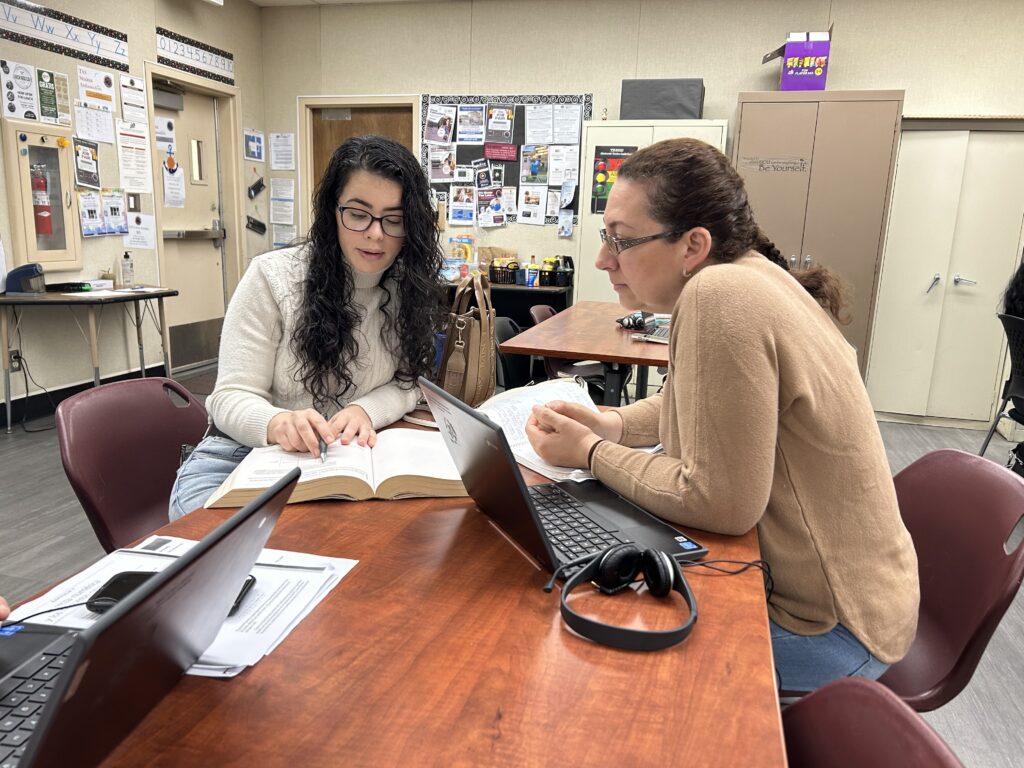
Consider the profound impact of acquiring new skills or completing a foundational education.For an adult who may have faced early challenges in their schooling, adult education programs offer a supportive environment to gain the knowledge and credentials necessary for better employment.
This isn't just about a job; it's about dignity, self-sufficiency, and the ability to provide for loved ones.
Studies indicate that adults who participate in continuing education are more likely to achieve higher incomes and experience greater job satisfaction.
The journey might be challenging, but the rewards are immeasurable, fostering a sense of accomplishment and opening doors that were previously closed.
Navigating the Barriers: Obstacles to Adult Learning
Despite the clear advantages, a significant number of adults encounter substantial barriers that impede their access to educational opportunities.These challenges are multifaceted, ranging from practical constraints to systemic issues.
Understanding these obstacles is the first step toward dismantling them and creating a more inclusive learning landscape.
The Time and Financial Squeeze
One of the most pervasive challenges is the conflict between the demands of work and family life and the commitment required for education.Many adults are juggling full-time jobs, often in physically demanding or low-wage sectors, to ensure their families have basic necessities like food and shelter.
This leaves precious little time or energy for attending classes, completing homework, or even researching available programs.
The financial strain is also immense; the cost of tuition, books, and transportation can be prohibitive for individuals already struggling to make ends meet.
This creates a difficult cycle where the very education needed to escape financial hardship is itself out of reach due to financial constraints.
Geographical and Logistical Hurdles
For individuals residing in rural or underserved areas, the physical distance to educational institutions can be a significant deterrent.Public transportation may be limited or non-existent, making commuting a time-consuming and expensive endeavor.
Furthermore, the lack of readily available childcare presents another formidable obstacle.
Parents, particularly mothers, often cannot attend classes if they cannot secure safe and affordable care for their young children.
This lack of support infrastructure effectively excludes a large segment of the adult population from pursuing their educational goals.
Awareness and Perception Gaps
A lack of awareness about the availability and benefits of adult education programs is also a critical issue.Many adults may not realize that such opportunities exist or may have outdated perceptions of what adult education entails.
They might believe it's only for those who struggled significantly in traditional school settings, failing to recognize its value for career advancement and skill enhancement for all.
This is compounded by a lack of proactive outreach from educational institutions and policymakers, who may not fully grasp the critical role adult education plays in community development.
The conversation around education often centers on the K-12 system and higher education, leaving adult learning in a perpetual state of being overlooked.
Strategies for Enhanced Access and Outreach
Overcoming these barriers requires a concerted and innovative approach from educational providers, community organizations, and policymakers.The goal is to make adult education not only available but also accessible, welcoming, and supportive for every individual seeking to learn and grow.
Bridging the Digital Divide and Embracing Flexibility
The rise of online learning has opened new avenues for education, offering flexibility that can be invaluable for busy adults.Virtual classrooms and on-demand courses allow learners to study at their own pace and on their own schedule, often from the comfort of their homes.
However, it's crucial to acknowledge that not all adults have equal access to reliable internet or the necessary digital literacy skills to thrive in an online environment.
Therefore, providing resources such as laptops, internet hotspots, and digital skills training is essential to ensure that virtual education is truly inclusive.
This approach acknowledges that for some, the journey to online learning requires foundational support.
Community-Based Outreach and Support Systems
Effective outreach goes beyond traditional advertising.It involves meeting adults where they are, engaging with them in familiar community spaces like local markets, community centers, and workplaces.
Sharing success stories, like that of an individual who transformed their life through adult education, can be incredibly inspiring and provide the courage for others to take the first step.
Furthermore, creating a supportive ecosystem around adult learners is paramount.
This includes offering comprehensive wrap-around services, such as on-site childcare, flexible scheduling, and personalized academic advising.
When a school community actively supports its adult students, it significantly increases their chances of success.
Policy and Funding: Investing in Adult Potential
At a systemic level, increased policy attention and dedicated funding are indispensable.Adult education programs are often underfunded, limiting their capacity to serve the growing demand.
Policymakers need to recognize adult education as a critical investment in workforce development, economic stability, and social equity.
This includes advocating for increased state and federal funding, creating streamlined pathways for credentialing, and fostering partnerships between educational institutions, employers, and community organizations.
When education is prioritized at the policy level, it sends a clear message about its value and importance for all adults.
The Ripple Effect: Adult Education and Child Development
The benefits of adult education extend powerfully to the next generation.When parents or guardians pursue education, their children often reap significant rewards.
For instance, a parent learning English as a second language can better assist their child with homework and communicate more effectively with teachers, fostering a stronger home-school connection.
This increased parental involvement can lead to improved academic performance and a greater likelihood of the child pursuing higher education themselves.
Research indicates that investing in adult education is a highly effective strategy for breaking intergenerational cycles of poverty and disadvantage, ultimately supporting the development of every child.
Conclusion
The imperative for accessible and robust adult education is clearer than ever.While significant challenges persist, they are not insurmountable.
By implementing targeted outreach strategies, embracing flexible and inclusive learning modalities, providing essential support services like childcare, and advocating for increased policy and funding, we can unlock the immense potential within our adult populations.
This commitment to lifelong learning not only empowers individuals to achieve their personal and professional goals but also strengthens families, communities, and economies for generations to come.
The journey of education is a continuous one, and ensuring its accessibility for every adult is a vital step towards a more equitable and prosperous future for all.






 Explore AI Teaching Tools
Comments (0)
Please login to comment
No comments yet
Be the first to comment on this article