
California's Vision: A Master Plan for Transforming Career Education and Lifelong Learning
Embark on a journey to understand California's ambitious initiative to revolutionize career education.This transformative master plan aims to equip students with the essential training and skills needed for fulfilling, lifelong careers, moving beyond traditional vocational models.
Discover how this state-level endeavor is poised to create a more cohesive and impactful learning ecosystem.
1.
The Genesis of a Comprehensive Career Education Strategy
California is embarking on a significant overhaul of its career and technical education landscape.
The core objective is to develop a robust master plan that addresses the evolving demands of the modern workforce.
This initiative seeks to create a more unified system, moving away from fragmented approaches to training and education.
The vision is to ensure that every student has equitable access to opportunities that lead to well-paying and satisfying work.
Research indicates a growing need for educational pathways that are directly aligned with industry requirements.
This master plan is designed to be a dynamic roadmap, adaptable to future technological advancements and shifts in the job market.
It goes beyond simply teaching specific trades, focusing instead on cultivating adaptable skills and fostering continuous learning throughout an individual's professional life.
2.
Key Pillars of the California Master Plan
The proposed master plan is built upon several foundational concepts designed to foster a more integrated and effective career education system.
These pillars are intended to bridge the gap between educational institutions, employers, and the needs of students at various stages of their development.
2.1.
Establishing a Coordinating Council for Seamless Integration
A crucial element of the plan involves the creation of a new coordinating council.
This body will play a pivotal role in connecting high schools, community colleges, and universities with industry partners.
Its mandate will include the strategic allocation of both state and federal funding to support vital training programs.
This ensures that resources are directed towards initiatives that have the greatest impact on student success and workforce readiness.
2.2.
Expanding Work-Based and Hands-On Learning Opportunities
The plan emphasizes the importance of experiential learning.
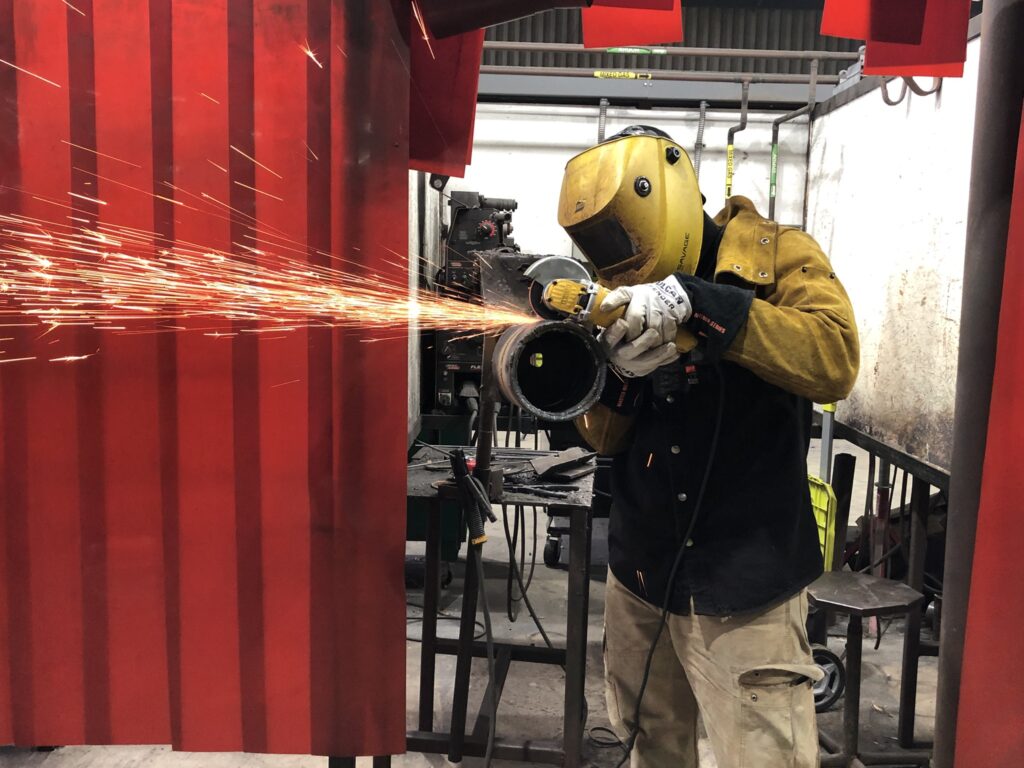
This includes a significant increase in opportunities for work-based learning, internships, apprenticeships, and other hands-on training experiences.
For adult learners, the initiative explores the possibility of providing financial aid and other supportive benefits to encourage participation and skill development.
This approach acknowledges that practical application is key to mastering new skills and preparing for the demands of the professional world.
2.3.
Fostering Lifelong Learning and 21st-Century Skills
The scope of this master plan extends far beyond initial career preparation.
It advocates for training systems that support individuals throughout their entire careers.
This involves integrating "21st-century skills" – such as critical thinking, problem-solving, collaboration, and digital literacy – into all levels of education and training.
The aim is to equip individuals with the adaptability and resilience needed to thrive in a constantly changing economic landscape.
3.
Addressing Systemic Challenges and Promoting Equity
A significant challenge the master plan aims to tackle is the traditional separation between academic and career-focused educational tracks.
The initiative seeks to break down these silos, allowing students to pursue diverse pathways without feeling pigeonholed.
This means rethinking how high school and post-secondary education are structured to offer more fluid transitions and integrated learning experiences.
The process of developing this plan has involved extensive public engagement.
Input has been gathered from educators, industry leaders, and the general public through statewide meetings.
This collaborative approach ensures that the final plan reflects the diverse needs and perspectives of the community.
Nominations are being sought for participation in online discussions to further refine the plan and identify any potential gaps or concerns.
4.
The Future of Career Education in California
The ultimate goal of this master plan is to create a more coherent and responsive system for career education.
By aligning educational offerings with the needs of employers and the aspirations of students, California aims to foster greater economic opportunity and personal fulfillment.
The plan is designed to be flexible, allowing for continuous adaptation as the job market and technological landscape evolve.
This initiative represents a forward-thinking approach to education and workforce development.
It underscores the state's commitment to ensuring that all students have the chance to acquire the skills and knowledge necessary for successful and meaningful careers.
The focus on lifelong learning and adaptable skills positions California as a leader in preparing its residents for the future of work.
Conclusion
California's vision for a master plan in career education signifies a profound commitment to shaping a future where every student can achieve their professional potential.
By focusing on integration, hands-on training, and lifelong learning, this state-led initiative aims to dismantle traditional barriers and create a more equitable and effective pathway to fulfilling careers.
The ongoing development process, marked by extensive stakeholder input, promises a comprehensive and adaptable strategy for the evolving needs of the workforce and the aspirations of its students.






 Explore AI Teaching Tools
Comments (0)
Please login to comment
No comments yet
Be the first to comment on this article