
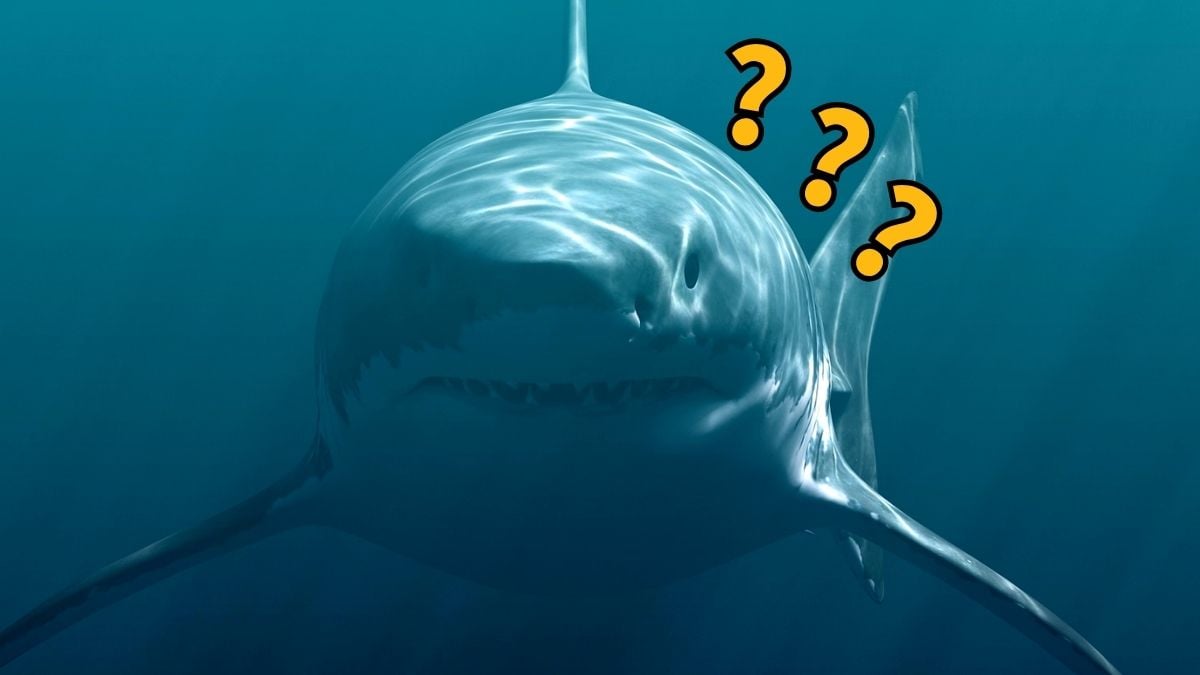
Imagine a discovery so significant, it was lost to the world for decades. A recent breakthrough in paleontology has unearthed a crucial fossil, confirming what scientists have long suspected about the sheer, terrifying size of the megalodon. This isn't just a win for science; it's a powerful metaphor for educators, reminding us that even when vital resources or understanding seem lost, rediscovery and profound insights are always within reach, reshaping how we approach our classrooms.
Unearthing a Ghost: The Lost Fossil's Revelation
For years, the exact dimensions of the megalodon, an ancient shark that dwarfed even the largest modern whales, have been a subject of intense debate. While fossilized teeth have provided tantalizing clues, a complete understanding of this prehistoric monster’s physique remained elusive. The rediscovery of a previously cataloged but misplaced fossil has now dramatically altered our perception.
This newly re-examined specimen, meticulously analyzed by paleontologists, offers unprecedented detail about the megalodon’s skeletal structure. It confirms the creature’s monstrous proportions, providing a tangible anchor for estimations that were previously based on fragmented evidence. The implications for understanding prehistoric marine ecosystems are immense.
"This single fossil, once thought lost, has rewritten our understanding of the megalodon. It’s a stark reminder that the past holds keys we sometimes misplace, only to find them again with profound consequences."
The Scale of the Monster: Beyond Imagination
The data emerging from this find is staggering. Scientists now have a clearer picture of a predator that could reach lengths exceeding 60 feet, with jaws capable of crushing the bones of its prey. This isn't just a larger shark; it's a creature that occupied an apex predator role on a scale previously difficult to fully grasp.
The sheer size of the megalodon’s fossilized remains confirms its dominance in ancient oceans. This level of biological engineering and predatory power is awe-inspiring, prompting us to consider the evolutionary pressures that shaped such a magnificent, albeit terrifying, animal. It pushes the boundaries of what we thought was possible in terms of sheer biological mass and predatory efficiency.
What This Means for Educators: Rethinking the Unseen
The story of this lost fossil mirrors challenges educators face daily. How many crucial student needs, learning styles, or potential breakthroughs go unnoticed or unaddressed because the right tools or perspectives are temporarily lost? This paleontological rediscovery is a call to action for us to actively seek out and re-evaluate what might be overlooked in our own educational environments.
We must constantly ask ourselves: are we providing every student with the opportunity to reveal their full potential, or are certain aspects of their learning journey hidden, like that vital fossil for decades? This requires a proactive approach to assessment, engagement, and support, ensuring no potential is left undiscovered.
Bridging the Gap: From Prehistoric Seas to Modern Classrooms
The excitement surrounding the megalodon fossil highlights the power of dedicated research and persistent inquiry. For educators, this translates into the continuous pursuit of effective teaching strategies and the adoption of innovative tools. Just as scientists piece together ancient mysteries, teachers assemble the building blocks of knowledge for their students.
Consider the vastness of the prehistoric ocean and the singular focus of the megalodon. In our classrooms, we often deal with a similarly diverse "ecosystem" of learners, each with unique needs and abilities. The challenge is to provide the right environment and guidance for each to thrive, much like understanding the specific ecological niche this ancient monster occupied.
Actionable Strategies for Educational Rediscovery
How can educators apply the lessons from this paleontological triumph? It starts with a commitment to exploring every facet of student learning and engagement. We need to be detectives in our own classrooms, uncovering hidden talents and addressing unseen challenges.
- Re-evaluate Assessment Methods: Move beyond traditional tests to incorporate diverse forms of assessment that capture a wider range of student understanding and skills.
- Embrace Differentiated Instruction: Tailor teaching approaches to meet the varied needs of all learners, ensuring no student is left behind due to a mismatched learning style.
- Leverage Technology for Deeper Insights: Utilize tools that can help identify learning gaps and provide personalized feedback, bringing "lost" understanding back into focus.
- Foster a Culture of Inquiry: Encourage students to ask questions and explore topics deeply, mirroring the scientific process of discovery.
The journey of this megalodon fossil, from being lost to its profound confirmation of terrifying size, offers a powerful narrative for educators. It's a testament to the fact that what might seem lost or unknowable can be rediscovered through diligent effort and the right perspective. This ancient monster's story reminds us that the pursuit of knowledge, both in science and education, is an ongoing, thrilling adventure.
"The rediscovery of this megalodon fossil isn't just a scientific curiosity; it's a profound lesson in persistence and the potential for uncovering hidden truths, a principle vital for every educator."
As we continue to navigate the complexities of modern education, let this tale of a prehistoric giant serve as an inspiration. By actively seeking out the unseen and embracing new tools and methodologies, we can ensure that every student’s potential, no matter how deeply buried, is brought to light, confirming a future of extraordinary learning and achievement.





 Explore AI Teaching Tools
Comments (0)
Please login to comment
No comments yet
Be the first to comment on this article