
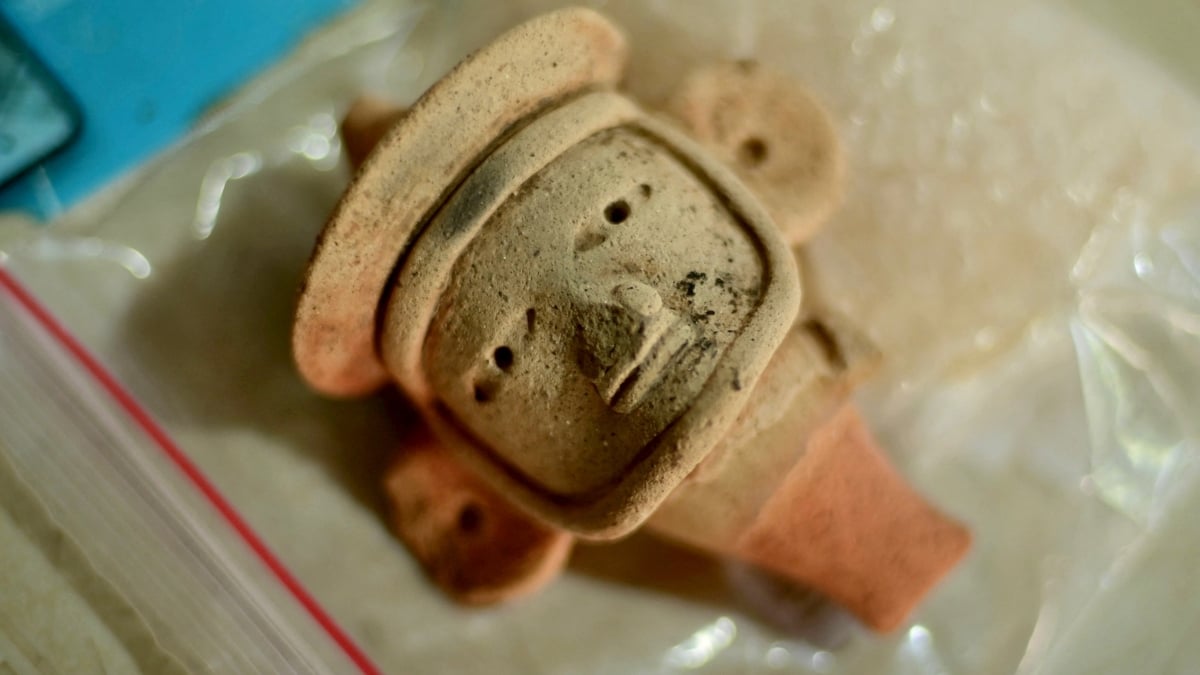
Imagine archaeologists uncovering something truly unprecedented, a discovery so profound it rewrites our understanding of an entire civilization. Recent findings in Mexico are just that – ancient ruins with 'never before seen' features that are sending ripples of excitement through the academic world. For educators, this isn't just a fascinating historical footnote; it's a potent reminder of the power of discovery and the endless potential for learning, urging us to rethink how we spark curiosity in our students.
Unearthing a Lost World
Deep within the dense jungles of Mexico, a team of archaeologists has made a discovery that is being hailed as a monumental breakthrough. Using advanced remote sensing technology, they have mapped out an extensive network of structures, revealing a city far larger and more complex than previously imagined.
The sheer scale of the find is staggering, suggesting a highly organized society with sophisticated urban planning. These ancient ruins offer a tangible link to a past that continues to surprise us with its ingenuity and ambition.
"This is a truly unique, unprecedented finding," stated Dr. Elena Ramirez, lead archaeologist on the project. "The complexity and scale of these features are unlike anything we've previously encountered in the region."
Features That Defy Expectations
What truly sets these ruins apart are the 'never before seen' features that challenge existing theories about ancient Mesoamerican cultures. The intricate hydraulic systems, for instance, demonstrate an advanced understanding of water management, far exceeding what was believed possible for the era.
Beyond engineering marvels, the site boasts remarkably preserved artwork and ceremonial spaces. These elements provide invaluable insights into the spiritual beliefs and daily lives of the people who inhabited this lost city.
Architectural Innovations
The architectural styles observed are also a significant departure from known patterns. Elaborate stonework, unique temple designs, and evidence of advanced construction techniques suggest a distinct cultural identity that flourished independently or interacted with other known civilizations in novel ways.
The meticulous planning evident in the city's layout, including public plazas and residential areas, points to a highly structured society. This discovery forces a re-evaluation of the timeline and diffusion of architectural knowledge across ancient Mexico.
Implications for Education
This extraordinary discovery offers a wealth of opportunities for educators to engage students with history, archaeology, and critical thinking. It underscores the idea that our knowledge of the past is always evolving and that new discoveries can fundamentally alter our perspectives.
For teachers, the excitement surrounding such a find can be a powerful catalyst for igniting student interest. It’s a real-world example of how inquiry-based learning can lead to profound understanding, much like how these archaeologists meticulously pieced together clues from the earth.
Sparking a Passion for Discovery
How can educators harness this sense of wonder? By framing lessons around the process of discovery itself. Students can explore the tools and techniques used by archaeologists, from ground-penetrating radar to careful excavation, fostering an appreciation for scientific methodology.
Consider using this discovery as a springboard for a unit on ancient civilizations. Instead of just memorizing facts, students can grapple with the questions these ruins raise: Who built this city? What was their society like? How did they achieve such feats?
Leveraging Technology in the Classroom
Modern educational tools can bring these ancient discoveries to life. Imagine using Mentofy AI teaching tools to generate engaging KWL charts about ancient Mexico, or creating interactive timelines that incorporate the latest findings. Tools like these can help structure student inquiry and provide a foundation for deeper exploration.
For a more dynamic approach, consider incorporating MentofyCove classroom games. A 'virtual dig' themed trivia game or a word search featuring key archaeological terms could make learning about these ruins both fun and memorable. These activities transform passive learning into active participation.
Connecting to Curriculum
These ancient ruins found in Mexico provide rich material for cross-curricular projects. History and social studies classes can delve into the societal structures and cultural practices. Science classes can explore the engineering principles behind the ancient infrastructure.
English classes can analyze descriptive texts about the discovery or even have students write their own fictional accounts of life in the ancient city. The possibilities for creative and critical engagement are vast, offering 'never before seen' opportunities for learning.
Actionable Insights for Educators
The discovery of these remarkable ancient ruins in Mexico serves as a powerful case study for educators. It highlights the importance of curiosity, critical thinking, and the ever-evolving nature of knowledge.
Here are some ways to integrate this spirit of discovery into your teaching:
- Embrace the Unknown: Frame lessons around questions rather than just answers. Encourage students to ask "what if?" and "how do we know?"
- Highlight the Process: Discuss the scientific methods and technologies used in archaeological discoveries. This demystifies research and inspires future scientists.
- Utilize Interactive Tools: Leverage platforms like Mentofy AI lesson plan generators to create inquiry-based activities or use MentofyBoards for displaying fascinating images and facts about the ruins.
- Foster Collaboration: Use MentofyGroups for smart student grouping to encourage peer-to-peer learning and collaborative problem-solving around historical mysteries.
- Connect to Current Events: Show students how academic research is ongoing and how new findings can reshape our understanding of the world.
The ancient world continues to reveal its secrets, and the recent findings in Mexico are a testament to that enduring mystery. As educators, we have the privilege of guiding our students through these unfolding narratives, fostering a lifelong love for learning and discovery.







 Explore AI Teaching Tools
Comments (0)
Please login to comment
No comments yet
Be the first to comment on this article