
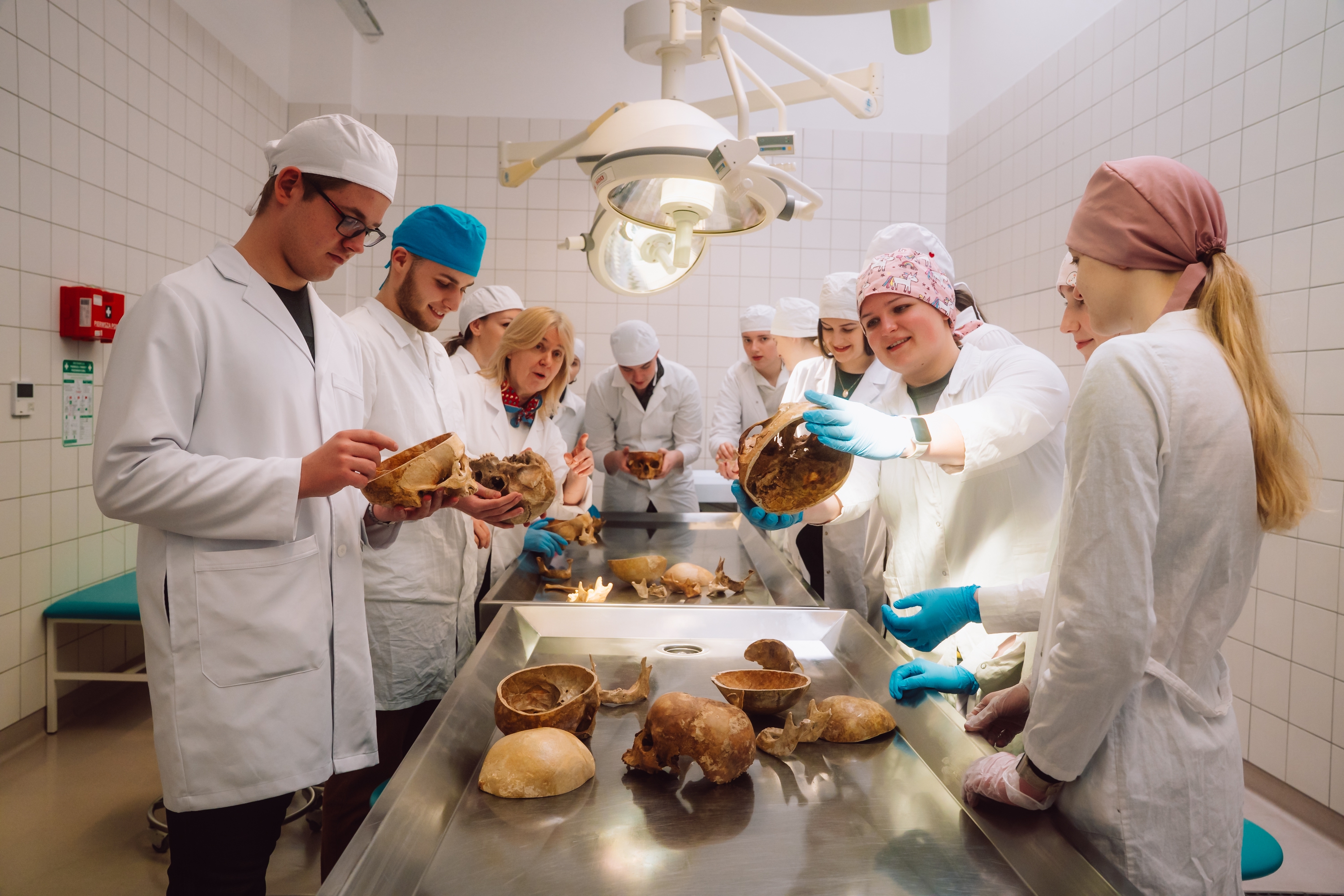
Europe's Medical Frontier: Why Aspiring Doctors Are Looking East
For decades, the allure of medical education in the United States and the United Kingdom has been undeniable. However, a significant shift is underway, with Europe rapidly emerging as a premier destination for aspiring physicians worldwide. This burgeoning trend is fueled by a potent combination of high-quality academic programmes, rich cultural immersion, and, crucially, more accessible tuition fees.
Beyond the academic and financial advantages, Europe presents a compelling case due to a pressing need for healthcare professionals. The World Health Organization projects a substantial deficit in its European region by 2030, anticipating a shortfall of nearly 950,000 health workers across 53 countries. This presents a unique and significant opportunity for international students ready to contribute to the continent's healthcare landscape.
Unlocking Global Careers: The European Advantage
The appeal of studying medicine in Europe extends far beyond the classroom. It offers a gateway to a diverse and dynamic professional future, preparing students for the realities of a globalized medical field. Many European universities are actively cultivating this by integrating international perspectives and fostering cross-cultural collaboration within their programmes.
This strategic approach ensures that graduates are not only academically proficient but also culturally adept, a crucial asset in today's interconnected healthcare systems. Your journey through a European medical programme is designed to equip you with the skills and confidence needed to excel anywhere in the world.
Pioneering Pathways: Three Universities Leading the Charge
Several European institutions are at the forefront of this educational evolution, offering world-class medical training that attracts students from every corner of the globe. These universities are distinguished by their innovative curricula, commitment to student support, and their role in addressing the continent's healthcare demands.
They represent a new wave of medical education, one that prioritizes hands-on experience, evidence-based practice, and a truly international outlook. For students seeking a comprehensive and globally recognized medical degree, these institutions offer a compelling starting point.
University of Rzeszów: Cultivating Compassion and Competence
Nestled in Poland, the University of Rzeszów is dedicated to nurturing physicians who are both compassionate and clinically adept. The university emphasizes learning through cutting-edge medical technology and fosters an environment where students engage with a diverse international cohort.
This approach ensures that students gain a broad perspective, preparing them for the multicultural realities of modern healthcare. The university's commitment to a well-rounded education is evident in every aspect of its medical programme.
A Curriculum Designed for Tomorrow's Doctors
The English-taught Medicine programme at the University of Rzeszów is meticulously crafted for contemporary aspiring doctors, aligning with modern learning methodologies. Over its six-year duration, students delve into medical theory guided by experienced clinicians and academics who champion evidence-based medicine.
Small class sizes are a hallmark of the programme, fostering greater interaction and personalized academic support. Crucially, practical training commences early, with students gaining hands-on experience in laboratories, simulation centres, and hospital settings.
Bridging Academia and Practice
When your learning environment closely mirrors your future workplace, the development of confidence and competence accelerates. Students at the University of Rzeszów gain proficiency in patient examination, diagnosis, treatment planning, medication prescription, and the execution of medical procedures.
The programme's international focus, with instruction delivered in English, naturally attracts a global student body. This diverse environment is invaluable preparation for a successful career in international medicine.
Navigating a New Horizon with Confidence
The prospect of studying in a new country can be daunting, but the University of Rzeszów ensures that its students, whether from within the EU or beyond, are never left to navigate these challenges alone. The university's dedicated Welcome Centre serves as the initial point of contact for all international students.
In the crucial initial weeks, the centre provides comprehensive assistance with accommodation, essential paperwork, residence permits, transportation logistics, and orientation sessions at the start of each semester. This robust support system is designed to ease the transition and allow students to focus on their academic pursuits.
Expanding Horizons Beyond the Classroom
The Welcome Centre's support extends beyond immediate practical needs, actively encouraging students to engage with broader European opportunities. Through programmes like Erasmus+, students can pursue study exchanges in various European locations, enriching their academic and personal experiences.
Furthermore, initiatives like the "Welcome to Poland" programme, supported by the Polish National Agency for Academic Exchange, organize workshops, cultural events, and informative sessions that unite international students. These activities foster a sense of community and facilitate cultural understanding.
A Global Launchpad for Your Medical Career
By the time your studies conclude, you will be exceptionally well-prepared for the next steps in your professional journey. Your globally recognized medical degree from the University of Rzeszów opens doors across Europe and internationally, including in the United States, the United Kingdom, and Canada.
Graduates often find fulfilling roles in hospitals, clinics, research institutions, and public health organizations. Many also choose to pursue specialized training or embark on careers in scientific research, further contributing to the advancement of medicine.
It is important for international students from outside the EU to be aware of and comply with Polish visa regulations. Additionally, where applicable, the diploma recognition process, known as nostrification, must be completed to ensure your qualifications are formally acknowledged.
Humanitas University: Innovation at the Heart of Medicine
Founded in 2014, Humanitas University in Italy has quickly established itself as a significant player in medical education, earning a place among the top 175 institutions globally for medicine and health sciences. The university is a hub of groundbreaking research, where faculty and students are actively engaged in tackling pressing health challenges.
Researchers at Humanitas are at the forefront of innovation, exploring areas such as the use of artificial intelligence for more precise and less invasive treatments for brain metastases and leveraging 3D printing to create personalized medical devices for patients.
Immersive Learning in a Dynamic Ecosystem
By enrolling in Hunimed’s six-year English-taught Medicine and Surgery degree programme, you become an integral part of this exciting research ecosystem. You will have the unique opportunity to collaborate directly with leading researchers and clinicians who are actively shaping the future of healthcare.
The curriculum is designed to be interdisciplinary, seamlessly blending theoretical coursework with extensive hands-on experiences and sophisticated simulation activities. This integrated approach ensures a deep and practical understanding of medical principles.
From Theory to Practice: A Phased Clinical Journey
In your third year, you will transition into a structured professional training pathway, a pivotal phase designed for you to apply learned theories in real-world settings. This pathway encompasses three distinct environments: advanced simulations, in-depth clinical case discussions, and practical experience on clinical wards.
This marks the beginning of your authentic clinical training, where theoretical knowledge is translated into practical skills under the guidance of experienced medical professionals. It’s an essential step in developing your diagnostic and therapeutic capabilities.
Venturing Beyond Bedside Care: The Virgilio Programme
For students eager to extend their impact beyond direct patient care, Humanitas University offers the optional Virgilio Programme. This additional track is specifically centered on biomedical research, providing an avenue to contribute to scientific advancements.
In addition to the core Medicine and Surgery curriculum, the Virgilio Programme allows you to actively participate in scientific research. You will engage in interdisciplinary seminars and undertake more intensive laboratory work, gaining invaluable research experience.
A Network of Support for International Students
Humanitas University recognizes that rigorous clinical training can be demanding, and therefore provides extensive support for its international students. The university offers a peer-to-peer mentorship programme, connecting junior students with seniors or more experienced peers who can offer guidance from a relatable perspective.
For students experiencing stress or performance pressure, a free counselling service is available, offering both online and face-to-face sessions, each lasting 45 minutes. This commitment to student well-being is paramount to academic success.
Semmelweis University: A Legacy of Excellence in Medicine
Semmelweis University in Hungary stands as a testament to enduring medical education, consistently ranking among the world's top 1% of medical schools. As one of Hungary's largest healthcare providers, it offers a unique blend of academic rigor and extensive clinical exposure.
Established in 1769, the university boasts a rich history spanning over 250 years of research innovation. Its six-year General Medicine programme, comprising 360 credits and taught entirely in English, is designed to produce highly competent physicians.
A Structured Path to Medical Proficiency
The programme's structure is carefully sequenced to build a strong foundation. The initial two years focus on theoretical modules covering fundamental scientific disciplines. This is followed by pre-clinical training in the third year.
The subsequent two years involve intensive small-group block rotations across the full spectrum of clinical disciplines. The sixth year culminates in a comprehensive internship, providing essential real-world experience before graduation.
A Thriving International Community
With 55% of its 4,700 students being international, Semmelweis University fosters a vibrant and inclusive global community. The International Semmelweis Student Association (ISSA) plays a key role in this, offering a dedicated platform for foreign students to connect and support one another.
ISSA organizes a wide array of events, ranging from social gatherings to academic support programmes, effectively bridging the gap between you and your fellow international students, creating a welcoming atmosphere.
Comprehensive Support Systems for Global Learners
Beyond student-led initiatives, Semmelweis University provides extensive support for its international student population. International scholarships are available to eligible foreign nationals, and mobility programmes offer opportunities to expand professional skills across borders.
The Directorate of Supporting Services and Student Relations is instrumental in integrating international students into the Semmelweis community. This department facilitates communication, mentorship, and ensures overall student satisfaction, making your experience as smooth and rewarding as possible.
The growing prominence of European universities in medical education signifies a positive evolution for aspiring doctors. These institutions are not only providing high-quality academic training but are also actively contributing to addressing global healthcare needs, offering international students unparalleled opportunities to build impactful careers in medicine.



 Explore AI Teaching Tools
Comments (0)
Please login to comment
No comments yet
Be the first to comment on this article