
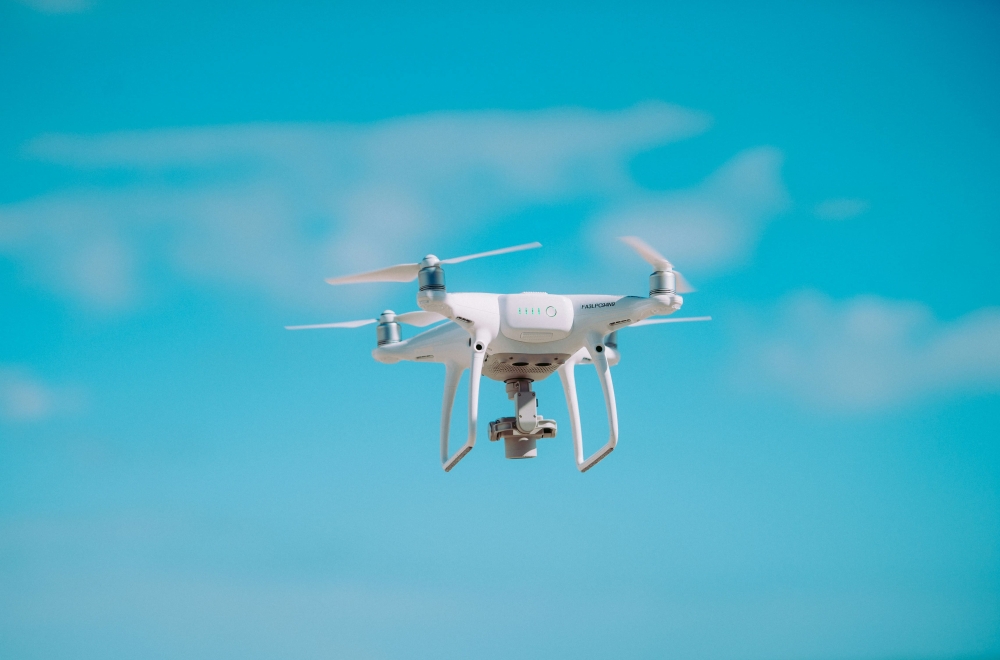
Drones Take Flight: Sabah's Remote Villages Set to Receive Medicine via Sky-High Deliveries
Imagine a world where life-saving medicine can reach the most isolated communities not by winding roads, but by the swift wings of a drone. This vision is rapidly becoming a reality in Sabah, as a groundbreaking pilot project prepares to launch, promising to redefine healthcare access for thousands.
The Malaysian Communications and Multimedia Commission (MCMC), in a pivotal collaboration with the Ministry of Health, is poised to initiate a revolutionary drone delivery service for essential medicines. This initiative, slated to commence around September or October, will initially focus on the district of Tawau, aiming to bridge the critical gap in healthcare access for residents in remote and rural areas.
Bridging the Distance: The Challenge of Rural Healthcare
For many living in the interior of Sabah, the journey to obtain vital medications is a significant undertaking. A study by Universiti Malaysia Sabah revealed that residents often travel distances of 20 to 30 kilometres to reach the nearest hospitals. These extensive journeys represent not only a considerable expenditure of time but also a substantial financial burden, acting as a major deterrent to consistent healthcare engagement.
This logistical hurdle means that regular access to medicine, crucial for managing chronic conditions and ensuring overall well-being, becomes a luxury rather than a right for many. The proposed drone initiative directly addresses this disparity, aiming to alleviate the strain of travel and ensure a more reliable supply chain for essential health services.
NADI's Evolving Role: From Connectivity Hub to Healthcare Lifeline
At the heart of this ambitious project lies the National Information Dissemination Centre (NADI). Traditionally known as a hub for digital connectivity, NADI is undergoing a significant transformation, expanding its mandate to encompass vital community services, including healthcare delivery. The drone initiative is a key component of the NADI Smart Services programme, demonstrating a forward-thinking approach to leveraging technology for public good.
Dr. Mohd Arif Adenan, head of the MCMC NADI Office, highlighted the project's potential to benefit approximately 12 villages. By facilitating direct medicine delivery, the initiative aims to reduce the need for patients to undertake arduous journeys, thereby saving precious time and transportation costs. This is particularly impactful for individuals with ongoing health needs who require consistent access to medication.
More Than Just Delivery: Integrated Health Support
The scope of NADI's involvement extends beyond simple delivery. The centres are already playing a crucial role in providing basic health screening services. This includes essential monitoring such as blood pressure checks, which can help detect potential health issues early on and reduce the necessity for routine hospital visits.
Should a patient exhibit abnormal readings during these screenings, NADI acts as a vital link, immediately connecting them with the appropriate hospital for further assessment. This integrated approach not only eases the burden on healthcare facilities by reducing congestion but also reinforces the commitment to proactive health management within local communities.
A Whole-of-Government Approach for Seamless Operations
The successful implementation of such a complex initiative requires robust collaboration. The drone medicine delivery project is being undertaken with the full cooperation of the Ministry of Health, the Civil Aviation Authority of Malaysia, and the Sabah state government, alongside several other key agencies. This whole-of-government strategy is designed to ensure that operations are not only efficient but also adhere to the highest safety standards.
The MCMC is committed to a phased approach, carefully evaluating the pilot project's success. If the objectives are met, there is a clear intention to explore the expansion of this life-changing initiative to other regions facing similar challenges in healthcare access. This forward-looking perspective underscores the potential for widespread impact across the nation.
The Future of NADI: Expanding Reach, Enhancing Skills
Looking ahead, the MCMC is focused on enhancing NADI's capabilities rather than simply increasing the number of physical locations. The existing network, which adheres to a "one-state constituency, one-NADI" policy, ensures broad coverage. The emphasis is now shifting towards expanding NADI 2.0 virtual services, making essential support accessible to even more remote communities.
This strategic evolution is informed by research indicating that while most users live within a short distance of existing centres, there remains a need to reach those further afield. The MCMC is actively studying the feasibility of extending the NADI network to locations such as military camps and police barracks, where a clear demand for digital services and community development programmes has been identified.
Furthermore, NADI is poised to become a significant player in skill development. International recognition from bodies like the International Telecommunication Union (ITU) has opened doors for global partnerships. Plans are underway to introduce more micro-credential courses in collaboration with leading international organizations. These programs, particularly aimed at rural youth, will offer industry-recognised certifications, significantly boosting employability and providing tangible pathways to economic advancement.




 Explore AI Teaching Tools
Comments (0)
Please login to comment
No comments yet
Be the first to comment on this article