
Mariachi's Resonant Echo: More Than Music, It's a Cultural Tapestry for Students
In a world often focused on STEM, a vibrant musical tradition is proving that the arts are not just an extracurricular, but a fundamental pillar of education. This isn't just about learning notes and rhythms; it's about unearthing history, celebrating culture, and forging a powerful sense of identity for young students.
A Legacy in Harmony: The Ramos Family's Mariachi Mission
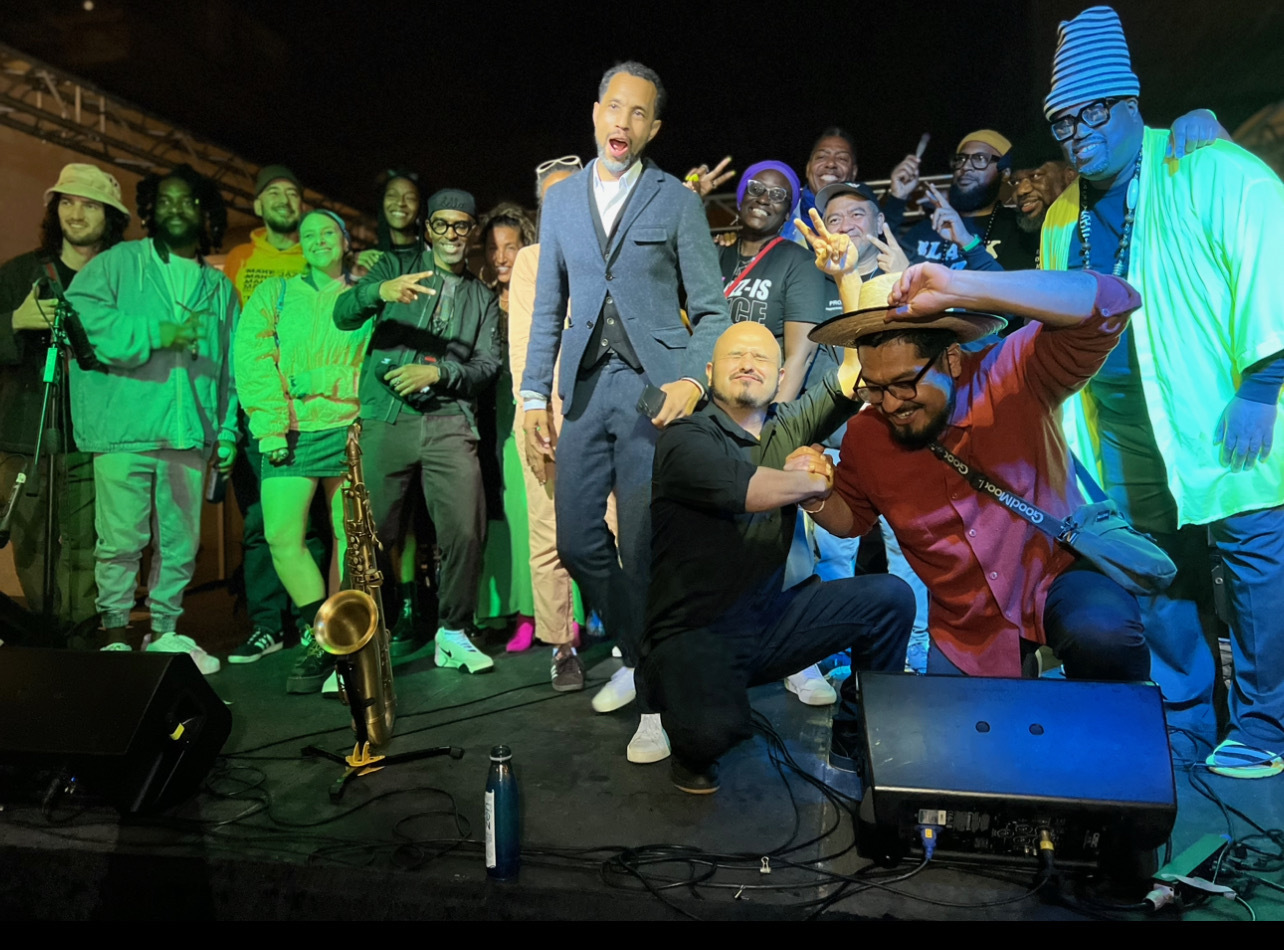
For Zaida Ramos, the magic of mariachi began in her childhood, a melody passed down from her father. Today, that legacy flourishes within the Alum Rock Union School District, where she and her father, Juan, lead a dynamic bilingual music program. He is the maestro, the conductor of sound, while she orchestrates the program's vision.
This father-daughter duo is dedicated to sharing the rich heritage of mariachi music with their students. Their family's commitment to music education spans over two decades, transforming a passion into a thriving educational endeavor. It's a testament to the enduring power of music to connect generations.
“Mariachi is how I grew up. In my family, we were always singing,” Ramos shares, her voice a blend of a vocalist and a violinist. “It’s so fulfilling for us, so rewarding, to share mariachi with the families and with the whole community. Everybody is part of the performance because everybody’s connected to these songs, you know?”
She elaborates on the profound impact of these performances, noting, “Many times you’ll hear the audience sing along, they laugh, they cry. It resonates with everybody in some way; it’s their story.” This deep emotional connection underscores the program's success in reaching beyond mere musical instruction.
Beyond the Notes: Unpacking History and Identity
From third to eighth grade, students immerse themselves after school and during the summer in the folkloric music of Mexico's southwest region. This tradition is characterized by its distinctive stringed instruments, the striking visual of musicians in intricately embroidered costumes, and the iconic "grito," a celebratory yell.
The program meticulously teaches students the art of playing instruments essential to mariachi, including the guitarron, guitar, vihuela, violin, and trumpet. Alongside vocal training, these disciplines demand a delicate balance of creativity and rigorous discipline. The curriculum also embraces the grace and fluidity of ballet folklorico, further enriching the cultural immersion.
Sofia Fojas, arts coordinator for the Santa Clara County Office of Education, champions the integration of arts into public education. “I am really driven by the ideal of a free and public education, and the arts need to be part of that,” she states. “Music and the arts are part of being human.”
Fojas emphasizes the universal appeal of the arts, calling it “a way to bridge the different cultures we see in the classroom in California. It’s really about the importance of arts and culture and engaging youth who traditionally have not had access.” This perspective highlights the program's role in fostering inclusivity and equitable access to cultural experiences.
Through the lens of mariachi, students in this predominantly Latino district discover that music transcends sound. It becomes a vehicle for understanding identity, history, and culture. The complexity of mariachi's melodies and themes offers a nuanced exploration of Mexican heritage, with roots tracing back to the colonial period, while also touching upon universal human experiences.
Guillermo Tejeda, a musician and educator specializing in history, jazz, and mariachi for youth, believes in the transformative power of cultural expression. “I believe that by embracing our cultural heritage and sharing our stories through music, we can inspire positive change and create a more harmonious society,” he explains.
Tejeda finds immense satisfaction in witnessing the empowerment of young individuals through music. “It's incredibly rewarding to see how music can empower and inspire young people in our community,” he adds, underscoring the program's impact on personal growth and community engagement.
Cultivating Ambassadors: Pride and Representation
Ramos is driven by the mission of passing down this rich artistic tradition to a new generation. She views mariachi as a vital tool for students to connect with their individual voices and the collective spirit of their community. It's about more than just playing music; it's about fostering a profound sense of belonging.
“I always tell them, you are ambassadors of your whole community,” Ramos advises her students. As a real estate professional in addition to her role in the arts program, she understands the power of representation. “Wherever you go, you are not only representing East San Jose, you’re representing a whole culture. You’re representing Mexican culture and you’re representing mariachi. There’s a sense of pride in who you are.”
This sense of pride is a crucial outcome of arts education, particularly for students who may not always see their heritage reflected in mainstream curricula. Mariachi provides a tangible and celebrated connection to their roots, fostering self-esteem and cultural affirmation.
Navigating Challenges: The Fight for Funding and Resources
The journey of teaching music, especially a culturally specific art form like mariachi, is often paved with challenges. Budgetary constraints and declining enrollment in some arts programs present ongoing hurdles for educators like Ramos.
Despite the joy of seeing students develop a lifelong passion for music, Ramos expresses a persistent need for greater support. “We need more teachers, we need more instruments, we need more support, we need more time, we need more classes,” she states, emphasizing that these needs are directly tied to funding. “And that all comes down to budgeting.”
The demand for student performances to represent Alum Rock is high, but the program's capacity is limited by available resources. “We have lots of requests for the kids to perform and to represent Alum Rock, but if we don’t have the budget to support it, we can’t do it,” Ramos explains, highlighting the critical link between financial investment and program sustainability.
A Glimmer of Hope: Proposition 28 and Culturally Relevant Arts
Advocates for arts education are looking with optimism towards potential funding streams, such as Proposition 28, which could provide a much-needed boost to programs like this mariachi initiative. Such initiatives are vital for preserving and promoting the cultural heritage embedded within the community.
Letty Kraus, director of the California County Superintendents Statewide Arts Initiative, underscores the importance of culturally relevant instruction. “Culturally relevant curriculum and instruction helps educators build relationships with students by leveraging what they bring to the classroom,” she notes. “It helps ensure relevance and engagement and maximizes inclusivity.”
The interwoven nature of art, history, and culture is what imbues mariachi with its profound power. Experts agree that arts education not only opens doors to new opportunities and possibilities for students but also cultivates a vital sense of belonging.
Fojas, who has two decades of experience teaching orchestra, band, and mariachi, sees this connection firsthand. “You’re teaching them about their own past,” she says. “The majority of students that I taught were of Mexican descent, so when you’re teaching mariachi, you’re actually teaching them about the history of Mexico.” This direct link to their ancestry provides a powerful educational experience.
Arts as a Catalyst: Resilience and Re-engagement
In the post-pandemic era, where student absenteeism and disengagement remain significant concerns, the arts are emerging as a powerful tool for re-engagement and fostering resilience. The discipline required to master mariachi music teaches students perseverance, a crucial life skill.
Budding musicians must cultivate the grit to rehearse tirelessly and then perform with confidence and courage. Fojas views arts education as a compelling magnet, drawing students back into the school environment and fostering a renewed sense of purpose.
“Everybody needs to understand the importance of art,” Fojas asserts. “Arts is culture, and when you deny people arts, you’re denying them culture, and those cultural artifacts are the things we leave behind. So if we deny youth the ability to participate in the arts, we’re denying future generations the ability to see what we’ve left behind.” This powerful statement emphasizes the long-term cultural significance of arts education.
The mariachi program, therefore, stands as a vibrant example of how music education can be a cornerstone of a holistic and culturally enriching learning experience, shaping not just musicians, but engaged, proud, and connected individuals.





 Explore AI Teaching Tools
Comments (0)
Please login to comment
No comments yet
Be the first to comment on this article