
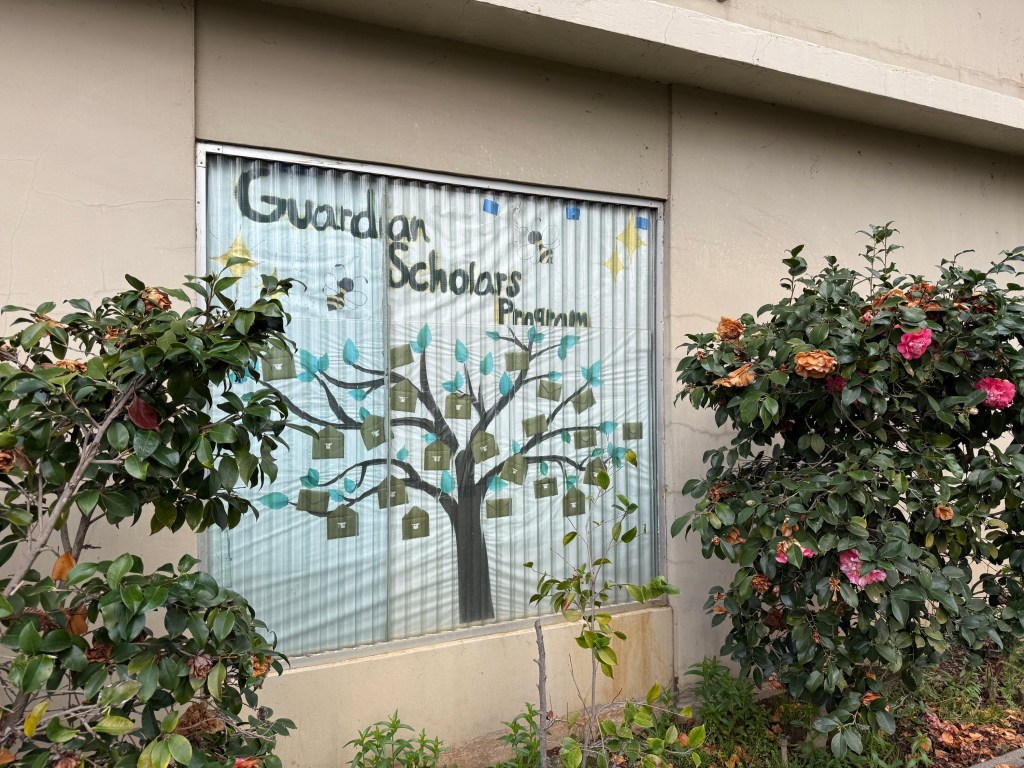
Bridging the Gap: How Campus Programs Are Rewriting the Odds for Former Foster Youth
Imagine stepping onto a college campus with dreams of a brighter future, only to find yourself navigating a labyrinth of financial aid forms, housing applications, and academic pressures without a familiar safety net. For many former foster youth, this is not a hypothetical scenario, but a stark reality. These young individuals, who have often experienced significant trauma and instability, face dauntingly low odds of achieving college success and securing stable careers.
The Stark Reality: A Chasm of Opportunity
The statistics paint a sobering picture. An estimated 8 to 11 percent of former foster youth earn a college degree, a fraction of the 49 percent of the general adult population. This disparity extends beyond the classroom, with lower employment rates and reduced earning potential often following them into adulthood. Experts point to the lingering effects of childhood instability and trauma, coupled with a lack of robust academic preparation and crucial social support systems, as primary drivers of these struggles.
This demographic, which includes any youth who has spent time in the child welfare system, often due to abuse or neglect, is at a critical juncture. The transition out of foster care, often referred to as "aging out," can leave them feeling adrift, lacking the foundational support that many of their peers take for granted.
A Beacon of Hope: The Rise of Guardian Scholars
Amidst these challenges, a growing movement is working to dismantle these barriers and foster a more supportive environment for these resilient students. The Guardian Scholars Program, a pioneering initiative that began in 1998, serves as a powerful example. These programs, now present at hundreds of institutions nationwide, are designed to do more than just enroll students; they aim to cultivate an ecosystem where former foster youth can truly thrive academically and personally.
At Sacramento State, the Guardian Scholars Program offers a tangible lifeline. During a recent financial aid workshop, the energy was palpable as students learned about scholarships and resources designed to ease their financial burdens. Program coordinator Gina Bryan, herself a former participant, understands the unique mindset barriers these students often face. She actively works to instill confidence, framing their pursuit of education not as a handout, but as a rightful claim to resources they are capable of utilizing.
Beyond Financial Aid: A Holistic Approach
The support offered by programs like Guardian Scholars extends far beyond financial assistance. They provide crucial academic advising, priority housing registration, and help with essential costs like textbooks. For those facing unexpected emergencies, such as a broken laptop or a family crisis, emergency grants offer immediate relief.
These programs also recognize the profound importance of community. By fostering connections among students who share similar experiences, they create a powerful sense of belonging. This peer support network, combined with dedicated staff who understand their complex needs, is instrumental in helping them navigate the often-isolating world of higher education.
Policy in Motion: Federal and State Initiatives
The growing recognition of the challenges faced by former foster youth is translating into policy changes. The federal Chafee Foster Care Program, established in 1999, provides grants for college and postsecondary training. Recent legislative efforts aim to significantly increase these educational vouchers, recognizing the need for greater financial support.
Furthermore, proposals have emerged to establish dedicated funds for career training and apprenticeship opportunities, acknowledging that a four-year college degree isn't the only path to success. An executive order also called for the creation of a centralized online platform to streamline access to vital resources for education, job training, housing, and healthcare.
These policy shifts, while still in development, signal a growing commitment at the state and federal levels to invest in the potential of these young individuals. The expansion of programs like Guardian Scholars at California State schools, bolstered by increased state funding, demonstrates a tangible impact on the ground, allowing for expanded staff and enhanced services.
Personal Journeys: Resilience and Triumph
The impact of these programs is best illustrated through the stories of the students themselves. Jarred Holloway, a 26-year-old business major, entered the foster care system at 13 and navigated multiple high schools with little encouragement for his educational aspirations. He recalls feeling overlooked, with adults often doubting his future prospects.
However, with the support of mentors and programs at his community college, Holloway found his way to Sacramento State and the Guardian Scholars Program. He now actively contributes to the program's office, transforming it into a welcoming space for his peers. His journey, marked by resilience and a newfound sense of control over his education, culminated in a significant internship, a testament to his hard work and the support he received.
Christiano Quinones, another participant, experienced homelessness before finding his footing at Sacramento State. After dropping out of high school and working as a pastry chef, a chance encounter with information about free college tuition sparked his interest. He earned his GED, an associate degree, and transferred to Sacramento State, only to face housing insecurity upon arrival.
Through the dedicated efforts of the Guardian Scholars staff, Quinones secured on-campus housing for the spring semester, albeit with student loans. Despite these ongoing challenges, he finds moments of joy and belonging, attending concerts and sporting events through program-sponsored outings. These experiences, he notes, make him feel "like you belong" and allow him to "act like humans, laughing."
Cultivating Sustainability: A Forward-Looking Vision
The success of these programs hinges on a delicate balance: supporting students through immediate challenges while equipping them for long-term sustainability. Gina Bryan emphasizes the importance of helping students slow down, enjoy the present, and build the resources and aid necessary for lasting success. This involves fostering resilience and recognizing their inherent capabilities.
The vision for the future includes more robust federal resources and streamlined access to information. The proposed online platform, if fully realized, could significantly reduce the uncertainty that former foster youth often face in identifying and applying for eligible resources. This would empower them to navigate the system more effectively, especially given the limited availability of social workers.
Ultimately, the efforts of campus-based advocates, policymakers, and dedicated staff are creating a more equitable landscape for former foster youth. These programs are not just about providing a safety net; they are about cultivating a community, fostering resilience, and rewriting the narrative for a generation of students determined to build successful futures.




 Explore AI Teaching Tools
Comments (0)
Please login to comment
No comments yet
Be the first to comment on this article