
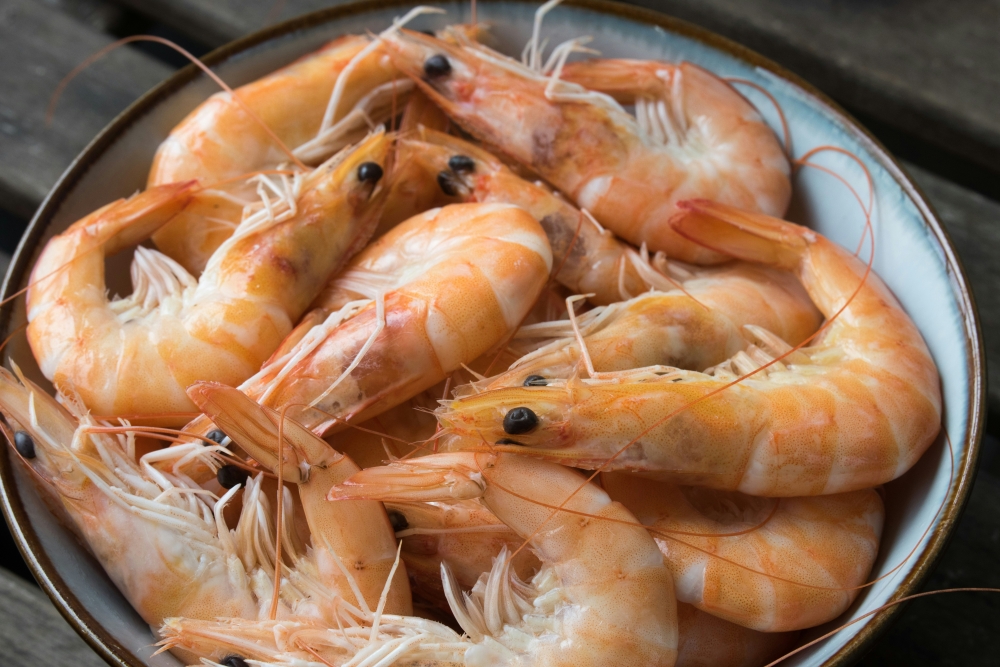
Malaysia's Prawn Import Ban: A 30-Day Countdown Hinges on Thai Data
A critical decision on the future of prawn imports from Thailand to Malaysia remains on hold, with the Malaysian Department of Fisheries (DOF) signaling a minimum 30-day assessment period once all necessary information is officially submitted. This extended evaluation underscores the meticulous approach being taken to safeguard Malaysia's vital aquaculture sector.
The Waiting Game: Unpacking the Assessment Process
The current restriction on five specific prawn species imported from Thailand, enforced since June 1, is not a hasty measure. Instead, it's a deliberate pause allowing a dedicated technical team within the DOF to thoroughly scrutinize the information provided by their Thai counterparts. This team is the linchpin in determining when and under what conditions these imports might resume.
A Technical Deep Dive
Datuk Adnan Hussain, Director-General of Fisheries, elaborated on the rigorous process. "The information is currently being assessed by the technical team," he stated. "If the information provided is complete, we will require at least 30 days to evaluate every document and piece of information submitted." This timeframe is crucial for a comprehensive understanding of the submitted data.
The technical team is slated to convene next week, a pivotal meeting that will likely shape the next steps. Their deliberations will pave the way for any eventual decision regarding Thailand’s application to re-establish prawn exports to Malaysia. The DOF's commitment is to ensure that any resumption of trade is based on solid, verifiable information.
Beyond Borders: Ensuring Biosecurity and Reciprocity
The suspension serves a dual purpose: protecting Malaysia's domestic aquaculture industry from potential disease outbreaks and ensuring that imported prawns meet stringent regulatory standards. This includes a vigilant watch for prohibited chemicals that could compromise food safety and environmental health.
The situation also highlights a complex trade dynamic. Malaysia is currently facing a reciprocal challenge, as its own locally farmed prawns have been unable to gain access to the Thai market since 2017. This long-standing issue underscores the importance of adhering to international biosecurity protocols and market requirements.
Strengthening Malaysia's Own Standards
In response to these cross-border challenges, the DOF is actively bolstering its own aquatic animal health control systems. The goal is to ensure that Malaysian-farmed prawns not only meet domestic standards but also align with the specific requirements of export markets like Thailand. This includes rigorous testing for diseases and prohibited substances.
The current import suspension is intrinsically linked to a broader policy shift. Earlier this year, the Ministry of Agriculture and Food Security announced a new requirement for a Certificate of Analysis (CoA) for seabass imports from Thailand. This, coupled with the prawn import pause, signals a more robust approach to import verification.
The Path Forward: Information is Key
The ultimate resumption of prawn imports hinges on the completeness and adequacy of the information submitted by Thailand. Once Malaysia's authorities are satisfied with the official response to their questionnaire, the assessment phase will commence in earnest. This process is designed to be thorough, ensuring that all concerns are addressed before any trade is reinstated.
The DOF's commitment to a transparent and data-driven assessment process is paramount. The current situation, while creating a temporary disruption, is ultimately aimed at fostering a more secure and sustainable aquaculture ecosystem for Malaysia, while also navigating the complexities of international trade agreements and biosecurity.






 Explore AI Teaching Tools
Comments (0)
Please login to comment
No comments yet
Be the first to comment on this article