
Beyond School Walls: A Comprehensive Approach to Preventing Youth Homicides
The safety of our youth is a paramount concern, and tragic incidents of violence cast a long shadow over communities.While the focus often sharpens on school grounds during times of crisis, a deeper dive into the data reveals a more complex picture.
Understanding the full scope of youth homicides is crucial for developing effective prevention strategies that extend far beyond the classroom.
This article explores the realities of youth violence, emphasizing the need for a multifaceted approach that addresses the root causes and encompasses both school and community environments.
The Stark Reality: Where Youth Homicides Occur
When we hear about school-aged youth and violence, the immediate image that often comes to mind is an incident within the school building itself.While any loss of life is a profound tragedy and demands our utmost attention to school safety, statistical data presents a compelling narrative.
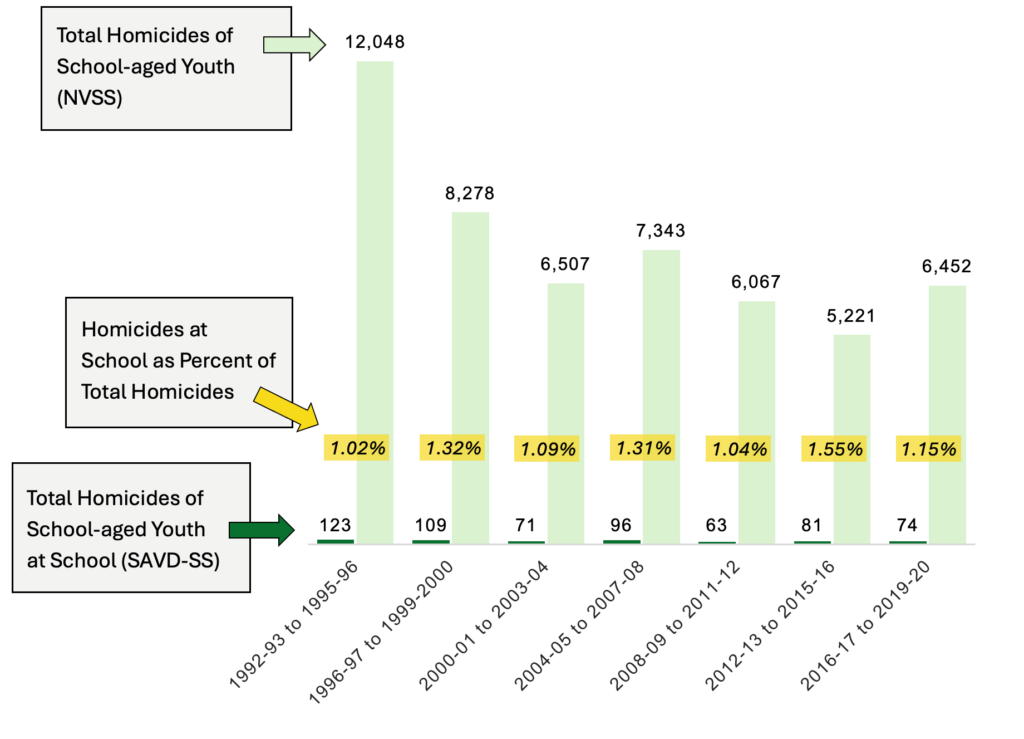
Research indicates that for nearly three decades, a staggering majority of homicides involving school-aged individuals – typically those between the ages of 5 and 18 – have occurred *outside* of school premises.
This means that for every incident that takes place on school grounds, a significantly larger number of violent deaths happen in homes, on streets, and in other community settings.
This critical insight doesn't diminish the importance of securing our schools; rather, it broadens our perspective on how best to protect our young people.
The data suggests that a singular focus on school-based security measures, while necessary, may not fully address the overarching problem of youth homicides.
To truly safeguard our youth, we must acknowledge and act upon the fact that the majority of these devastating events are rooted in factors and environments beyond the school gates.
Understanding the Data: A Closer Look
To grasp the scale of this issue, it's essential to examine the available data.Studies have consistently tracked homicides occurring on school grounds alongside the total number of homicides for school-aged youth.
Even during periods marked by high-profile, multi-casualty school shootings, the proportion of homicides that actually took place within school settings remained remarkably low, often hovering between 1% and 2% of the total homicides for that age group.
More recent data, even accounting for periods where virtual learning was prevalent due to global health concerns, further reinforces this trend.
In a year that saw one of the highest numbers of total homicides for school-aged youth, the percentage of those deaths occurring at school was less than half of one percent.
This disparity highlights a crucial point: while schools are vital centers for learning and development, they are not the primary locations where youth homicides are occurring.
The Interconnectedness of Violence: School and Community Factors
It is vital to recognize that the data, while powerful, doesn't always capture the full, intricate web of circumstances leading to violence.An altercation that begins on school grounds, for instance, might tragically spill over into the community, resulting in a homicide that is not officially recorded as a "school-related" incident.
However, the school environment undeniably played a role in the preceding events.
This interconnectedness underscores the need for a holistic view of youth violence prevention.
Identifying Preceding Factors
The factors that contribute to youth homicides are multifaceted and often deeply embedded in social, economic, and environmental conditions.These can include: * **Exposure to violence at home:** Witnessing or experiencing domestic violence can have profound and lasting impacts on a young person's behavior and emotional well-being. * **Community violence and lack of safe spaces:** Living in neighborhoods with high rates of crime and limited access to positive recreational activities can increase exposure to risk factors. * **Mental health challenges:** Untreated mental health issues, such as depression, anxiety, and trauma, can significantly impact an individual's ability to cope with stress and regulate emotions. * **Socioeconomic disparities:** Poverty, lack of educational and employment opportunities, and systemic inequalities can create environments where violence is more likely to occur. * **Peer influence and gang involvement:** Negative peer pressure and involvement in gangs can expose youth to dangerous situations and criminal activities.
Understanding these preceding factors is not about assigning blame but about identifying critical points for intervention and prevention.
Strategies for Effective Youth Violence Prevention
Given that the majority of youth homicides occur outside of school, a comprehensive prevention strategy must extend its reach into the community and address the underlying causes of violence.This requires a collaborative effort involving educators, policymakers, community leaders, parents, and young people themselves.
1.
Strengthening Community-Based Prevention Programs Investing in evidence-based programs that operate within communities is paramount.
These programs can offer: * **Mentorship and positive role models:** Connecting youth with trusted adults who can provide guidance, support, and encouragement. * **After-school programs and recreational activities:** Providing safe and engaging environments where young people can develop skills, build positive relationships, and stay out of trouble. * **Conflict resolution and anger management training:** Equipping youth with the tools to de-escalate conflicts and manage their emotions constructively. * **Job training and employment opportunities:** Offering pathways to economic stability and self-sufficiency, which can reduce the allure of illicit activities. * **Restorative justice initiatives:** Focusing on repairing harm and building stronger community relationships.
2.
Enhancing Mental Health Support Systems Accessible and comprehensive mental health services are crucial for the well-being of our youth.
This includes: * **Early identification and intervention:** Training educators and community members to recognize the signs of mental distress in young people and connect them with appropriate support. * **School-based mental health professionals:** Increasing the number of counselors, psychologists, and social workers available in schools to provide direct services. * **Community mental health clinics:** Ensuring that affordable and accessible mental health care is available outside of school settings. * **Trauma-informed care:** Implementing approaches that recognize and address the impact of trauma on young people's behavior and development. * **Destigmatizing mental health:** Fostering open conversations about mental health to encourage help-seeking behavior.
3.
Fostering Safe and Supportive Home Environments The home is often the first and most influential environment for a child.
Promoting positive parenting practices and providing support for families can significantly impact youth safety.
This can involve: * **Parenting education programs:** Offering resources and training on effective discipline, communication, and child development. * **Domestic violence prevention and support:** Providing resources for families experiencing or at risk of domestic violence. * **Access to social services:** Ensuring families have access to essential resources such as housing assistance, food security programs, and healthcare. * **Promoting positive family engagement:** Encouraging active participation of parents in their children's lives and education.
4.
Implementing Evidence-Based School Safety Measures While the data points to the majority of homicides occurring outside of schools, maintaining safe school environments remains a critical component of overall youth protection.
This includes: * **Positive Behavioral Interventions and Supports (PBIS):** Creating a positive school climate that promotes respect, responsibility, and safety. * **Social-Emotional Learning (SEL) programs:** Integrating SEL into the curriculum to help students develop self-awareness, self-management, social awareness, relationship skills, and responsible decision-making. * **Threat assessment protocols:** Establishing clear procedures for identifying and responding to potential threats of violence. * **Emergency preparedness and drills:** Ensuring that schools are prepared to respond effectively to various emergencies. * **Building strong relationships between students and staff:** Fostering an environment where students feel comfortable reporting concerns and seeking help.
The Role of Data in Guiding Policy and Action
Accurate and comprehensive data is the bedrock of effective policy.By understanding where and why youth homicides occur, policymakers and community leaders can make informed decisions about resource allocation and program development.
This means: * **Investing in data collection and analysis:** Continuously gathering and analyzing data on youth violence to identify trends, risk factors, and effective interventions. * **Utilizing data to inform policy decisions:** Ensuring that policies are grounded in evidence and tailored to address the specific needs of communities. * **Evaluating the effectiveness of programs:** Regularly assessing the impact of prevention and intervention programs to ensure they are achieving their intended outcomes. * **Promoting transparency and accountability:** Sharing data and program results with the public to foster trust and encourage ongoing engagement.
Conclusion: A Collective Responsibility for Youth Safety
The data on youth homicides presents a clear imperative: while protecting our schools is non-negotiable, our efforts to prevent violence must extend far beyond school grounds.The vast majority of these tragic events occur within homes and communities, highlighting the critical need for a comprehensive, multi-layered approach.
This requires a commitment to strengthening community-based prevention programs, enhancing mental health support systems, fostering supportive home environments, and continuing to implement evidence-based school safety measures.
By working collaboratively and utilizing data to guide our actions, we can create a safer future for all our youth, ensuring they have the opportunity to thrive in environments free from the pervasive threat of violence.







 Explore AI Teaching Tools
Comments (0)
Please login to comment
No comments yet
Be the first to comment on this article