
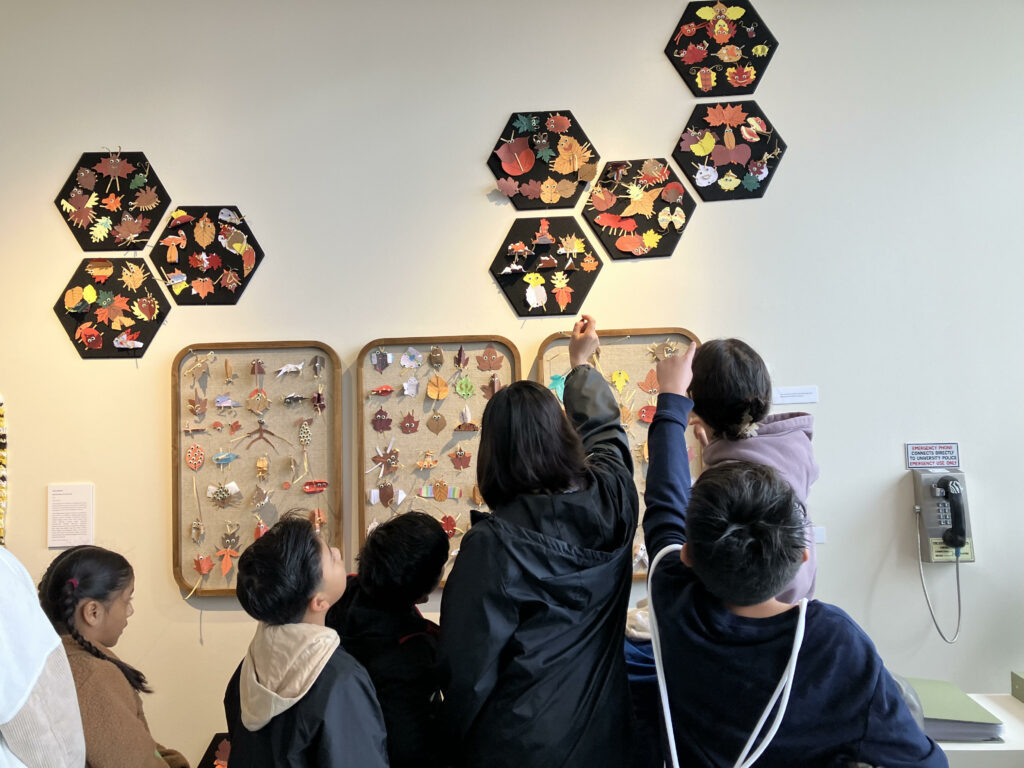
California's Arts Education Renaissance: Investing in Professional Learning for educators
California is at a pivotal moment for arts education.With the landmark passage of Proposition 28, the state has unlocked unprecedented resources to enrich arts learning across all its schools.
Coupled with a forward-thinking arts standards framework and the reinstatement of vital theater and dance credentials, the stage is set for a vibrant expansion of creative instruction.
However, the true success of this ambitious vision hinges on one critical element: a highly prepared and supported corps of arts teachers.
This article delves into the urgent need for robust professional learning opportunities to empower California's educators and ensure the promise of Proposition 28 is fully realized.
The Foundation: Proposition 28 and the Evolving Arts Education Landscape
The passage of Proposition 28 signifies a profound commitment from California voters to integrate the arts more deeply into the educational experience of every student.This initiative injects significant funding, creating a powerful catalyst for expanding arts programs and access.
Alongside this financial commitment, the state has embraced a comprehensive vision for arts education through its updated standards and curriculum framework.
Furthermore, the re-establishment of specific credentials for theater and dance educators underscores a dedication to specialized instruction.
These advancements create an ideal environment for arts learning to flourish, but they also highlight the growing demand for educators equipped with the skills and knowledge to deliver this enhanced curriculum effectively.
Addressing the Educator Gap: A Statewide Challenge
Despite the promising legislative and financial advancements, California faces a significant challenge: a statewide shortage of credentialed and classified PK-12 educators, particularly in the arts.Recent data from the California Commission on Teacher Credentialing reveals a concerning decline in the number of new arts teachers entering the profession.
Currently, only a small fraction, approximately 3%, of all credentialed teachers hold a single-subject credential in the arts.
This translates to a stark reality: in the 2021-22 school year, there was roughly one arts credentialed teacher for every 785 public school students in California.
This imbalance poses a direct threat to the equitable and comprehensive delivery of arts education envisioned by Proposition 28.
The Imperative for Differentiated Professional Learning
The influx of new teachers needed to expand arts education will take considerable time to recruit and train.In the interim, a strategic focus on high-quality, differentiated professional learning for existing arts educators and those in preparation programs is paramount.
Teachers are not a monolithic group; their needs and experiences vary widely.
Therefore, professional learning initiatives must be tailored to address these diverse requirements, ensuring all educators feel supported and empowered.
Supporting Intern Teachers: Building Early Career Success
While the number of intern teachers in the arts may be lower compared to other single-subject areas, these individuals represent a crucial pathway to the classroom.Intern teachers are at the nascent stages of their careers, and their retention is significantly influenced by robust support systems.
Key factors for success include: * Mentorship Programs: Pairing intern teachers with experienced arts educators provides invaluable guidance, practical advice, and a supportive relationship. * Professional Learning Communities (PLCs): Facilitating regular interaction within PLCs allows interns to collaborate, share challenges, and learn from their peers. * Teacher Networks: Establishing networks of arts teachers offers a broader community for support, resource sharing, and professional connection.
Investing in these early-career supports can help cultivate a sustainable pipeline of passionate and effective arts educators.
Empowering Out-of-State and Recently Prepared Educators
Teachers who have completed their preparation outside of California, or those newly entering the field, require specific professional development to align with the state's educational landscape.The California Arts Education Framework for Public Schools, adopted in 2020, is a foundational resource that may not have received a comprehensive statewide rollout due to recent global events.
Professional learning funded at the state level can significantly benefit these educators by: * Deepening Understanding of the Framework: Providing training on the principles, goals, and pedagogical approaches outlined in the California Arts Education Framework. * Aligning with State Standards: Ensuring educators are adept at integrating state-adopted arts standards into their lesson planning and instruction. * Familiarizing with Local Context: Offering insights into the unique cultural and educational contexts of California schools.
This targeted professional learning ensures that all educators, regardless of their preparation origin, are equipped to deliver high-quality arts education aligned with state expectations.
Bridging the Credentialing Gap: Enhancing Effectiveness for All
Research indicates that arts students in California are more likely to be taught by educators with "out-of-field" or "ineffective" credentials compared to students in other subject areas.While the ultimate goal is for all educators teaching the arts to hold appropriate arts credentials, professional learning can serve as a critical bridge in the interim.
Accessible and responsive professional development can: * Build Subject Matter Expertise: Equip educators with the necessary knowledge and skills in specific art disciplines. * Enhance Pedagogical Strategies: Introduce effective teaching methods for arts instruction, including differentiation and engagement techniques. * Increase Confidence and Capacity: Empower educators to feel more secure and competent in their ability to teach arts content.
These initiatives are vital for improving the quality of arts education for students who might otherwise be served by teachers lacking specialized arts training.
Strengthening Elementary Arts Education: A Crucial Foundation
The distribution of arts credentialed teachers is heavily concentrated in grades six through twelve, with over 75% of these specialists working at the secondary level.This leaves elementary students disproportionately reliant on teachers with multiple-subject credentials for their arts education.
Given that arts education is mandated by California education code, its presence in elementary schools is fundamental.
A strong arts foundation at this level: * Prepares Students for Advanced Study: Equips students with the necessary skills and appreciation to succeed in arts courses that fulfill A-G admission requirements for University of California and California State University systems. * Opens Career Pathways: Provides foundational knowledge for students interested in career technical education pathways within the arts, media, and entertainment industries. * Fosters Holistic Development: Cultivates creativity, critical thinking, and problem-solving skills essential for lifelong learning.
Professional learning for elementary teachers, particularly those with multiple-subject credentials, is therefore essential for building this critical educational bedrock.
Empowering Multiple-Subject Teachers: Integrating Arts Across the Curriculum
Multiple-subject teachers represent the largest group of credentialed educators in California.Research consistently shows that when these teachers integrate the arts into their broader curriculum, they experience renewed engagement and find their teaching practices invigorated.
To harness this potential, professional learning opportunities should focus on: * Summer Intensives: Offering immersive programs that provide in-depth arts training and curriculum integration strategies. * Job-Embedded Training: Delivering professional development directly within schools, tailored to the specific needs and contexts of multiple-subject teachers. * Skill and Knowledge Building: Enhancing teachers' understanding of various art forms, creative processes, and how to effectively weave them into subjects like math, science, and language arts.
By investing in the professional development of multiple-subject teachers, California can significantly amplify the reach and impact of arts education across all grade levels.
A Collaborative Ecosystem for Arts Education Advancement
Realizing the full potential of California's arts education renaissance requires a concerted effort from a diverse range of stakeholders.Legislators, policymakers, higher education institutions, and PK-12 professional learning providers must collaborate to build a robust and sustainable infrastructure for arts education.
The existing professional learning landscape offers numerous avenues for high-quality development, but these efforts need strategic prioritization and funding.
Prioritizing Funding for High-Quality Professional Learning
Advocating for dedicated and robust statewide funding for professional learning is crucial.This investment should mirror successful models implemented for other critical subject areas, such as health education, history-social science, ethnic studies, mathematics, science, and computer science.
By prioritizing funding for professional learning, California can: * Build Human Capacity: Equip educators with the skills and knowledge necessary to meet the evolving demands of arts education. * Support Innovation: Encourage the development and dissemination of innovative pedagogical approaches in the arts. * Ensure Equity: Guarantee that all educators, regardless of their school or district, have access to high-quality professional development opportunities.
This financial commitment is not merely an expenditure; it is a strategic investment in the future of California's students and its creative economy.
Nurturing a Thriving Network of Professional Learning Providers
Numerous organizations across California are already engaged in delivering effective professional learning for arts educators.These existing efforts are invaluable for building the state's human capacity and are essential for realizing the promise of Proposition 28.
Policymakers and educational leaders should focus on: * Identifying and Supporting Effective Programs: Recognizing and providing resources to organizations with proven track records in arts education professional development. * Facilitating Collaboration and Networking: Encouraging partnerships between different professional learning providers to share best practices and resources. * Ensuring Accessibility and Responsiveness: Making professional learning opportunities widely available and ensuring they are tailored to the diverse needs of educators.
By nurturing and strengthening this existing ecosystem, California can ensure that its arts educators are continuously learning, growing, and inspiring the next generation of creative thinkers and doers.
Conclusion
California stands on the precipice of a transformative era for arts education, propelled by Proposition 28 and a renewed state focus.However, the success of this ambitious undertaking is inextricably linked to the professional growth and support of its educators.
By investing strategically in differentiated, high-quality professional learning, California can empower its arts teachers, bridge critical credentialing gaps, and ensure that every student, from elementary to high school, receives the rich and comprehensive arts education they deserve.
This commitment to professional development is not just about enhancing teaching practices; it's about cultivating a vibrant, creative future for the state.





 Explore AI Teaching Tools
Comments (0)
Please login to comment
No comments yet
Be the first to comment on this article