
Beyond Products: How a New Business Education Model is Shaping the Experience Economy
In the late 1990s, a bold prediction emerged: businesses would soon vie for dominance not through tangible goods or services, but through the intangible realm of experiences. Decades later, this foresight is not just relevant, it's the driving force behind a fundamental shift in how organizations operate and how leaders are trained.
As Peter Borer, former general manager of The Peninsula Hong Kong, observes, "Experience is now part of the DNA of any company." Yet, a significant chasm persists. Many leaders recognize the immense value of crafting exceptional experiences, but struggle to connect the dots between strategic investment, thoughtful design, and effective management with tangible business success and a positive social standing.
The Rise of the Experience-Centric Enterprise
This critical gap in understanding and application has spurred the development of a groundbreaking educational initiative. Recognizing the growing consumer willingness to pay a premium for memorable moments, a leading institution has launched a specialized Master's programme designed to cultivate leaders capable of navigating and transforming organizations for this new era.
Dr. Jenny Tian, Programme Director of this innovative programme, explains, "While consumers are willing to pay a premium for memorable moments, many organisations struggle to shift away from a seller-centred mindset. This programme was developed to prepare leaders who can drive the experience transformation." The curriculum intentionally weaves together seemingly disparate elements like empathy, strategic investment, and cutting-edge technology, fostering a unique versatility essential for modern leadership.
A Curriculum Forged in Experience
This pioneering programme, the first of its kind in the Asia-Pacific region, draws deeply from the extensive business education expertise and resources of a renowned business school. Its influence extends across industries, as the fundamental nature of experience increasingly shapes decisions in every sector.
Healthcare providers are meticulously redesigning patient journeys to enhance comfort and care. Employers are making significant investments in workplace experience, understanding its crucial role in attracting and retaining top talent. From retailers and event organizers to sports franchises and community-focused enterprises, a universal question is being asked: how can we create experiences that genuinely resonate and provide lasting value?
The Three Pillars of Experience Mastery
The programme tackles this question head-on through a curriculum structured around three interconnected pillars: inspiration, investment, and innovation.
- Inspiration: This foundational element places people at its core. Participants delve into how leadership styles, organizational culture, and effective change management practices directly influence the experiences crafted for both employees and the wider community.
- Investment: Moving from people to place, these courses equip individuals with the knowledge and skills necessary to develop or acquire physical spaces and facilities that serve as the crucial "stage" for immersive and impactful experiences.
- Innovation: The final pillar explores the transformative power of technology. Participants examine how tools such as artificial intelligence, robotics, advanced data analytics, and digital platforms can be seamlessly integrated to create experiences that are not only memorable and meaningful but also uniquely tailored.
Translating Theory into Tangible Impact
The curriculum is designed to be interdisciplinary and intensely solution-oriented, mirroring the complexities of the real world. For instance, a module on "Digital Transformation in the Experience Economy" explores how digital technologies can be leveraged to design customer experiences that are both memorable and demonstrably valuable.
Another key area, "Finance and Investment in Experience Industries," shifts the focus to critical business decisions. Participants gain a deep understanding of how to strategically invest in experience-enabling environments and ensure robust revenue streams in a rapidly evolving economic landscape. Meanwhile, "Leadership and Change Management in the Experience Economy" utilizes real-world case studies and hands-on workshops to illuminate the art of motivating talent through well-designed workplace experiences, appropriate leadership approaches, and effective change management strategies.
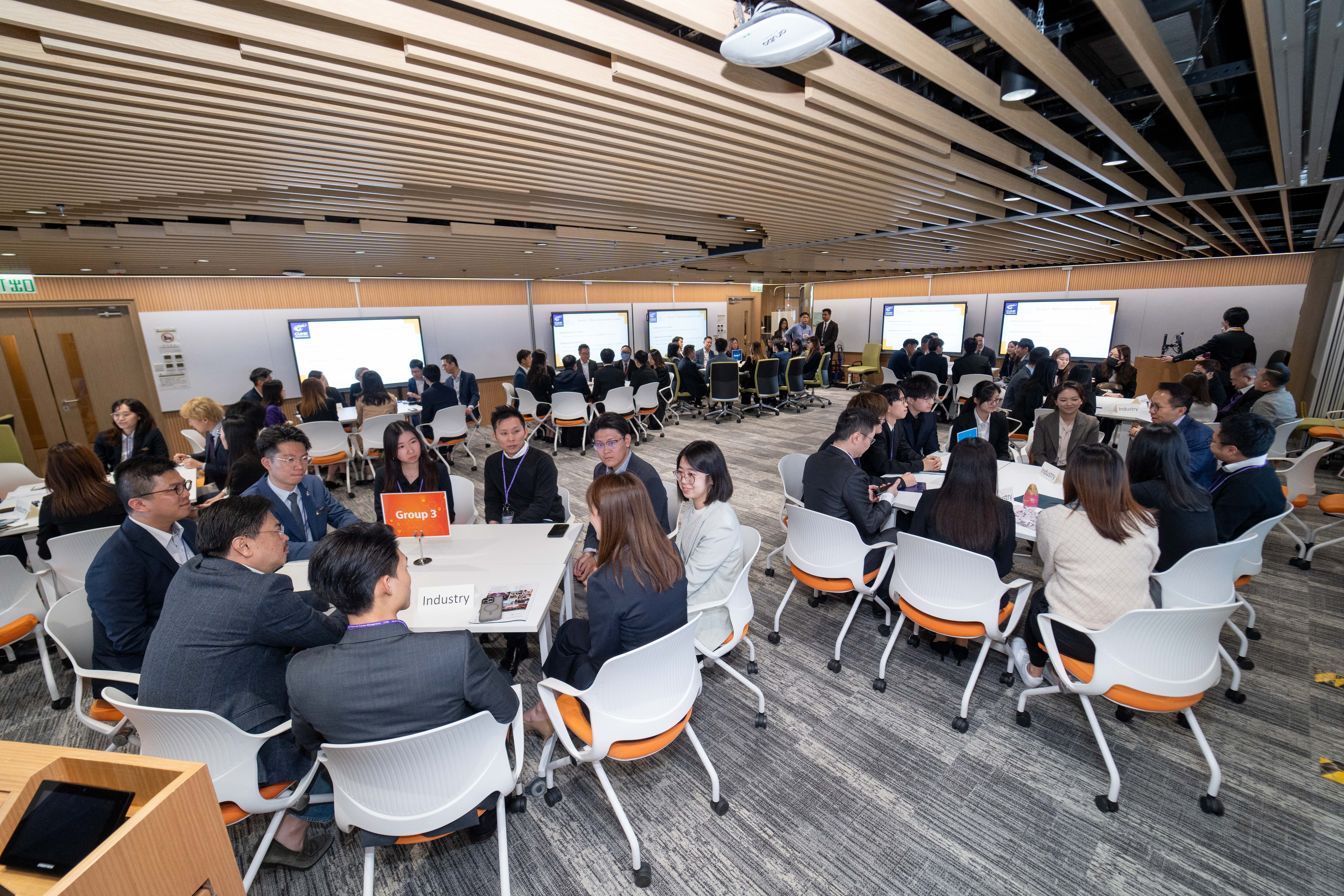
Learning extends far beyond traditional lectures. The programme immerses participants in a dynamic educational environment featuring digital platforms, sophisticated simulations, engaging gamified activities, and practical design thinking exercises. A culminating capstone project provides a vital opportunity to synthesize and apply all acquired knowledge, bringing the comprehensive learning journey to a powerful conclusion.
Cultivating Leaders for a New Economic Paradigm
Graduates of this programme are poised to become architects of value, capable of creating deeply meaningful experiences for both businesses and the communities they serve. This educational model represents a significant evolution in preparing leaders for the demands of the modern economy.
Learning by Doing, Leading by Example
The programme leverages the exceptional business education resources of its affiliated business school and the extensive industry network of its renowned hospitality and tourism management school. This powerful synergy ensures a rich and practical learning experience.
Participants engage in "learning by doing" through experiential workshops, site visits to leading organizations, and immersive overseas field trips. On campus, a vibrant ecosystem of mentorship programmes, workshops, forums, networking events, and an "Expert Insights Series" provides invaluable opportunities to connect with both industry leaders and academic scholars.
These diverse opportunities are meticulously designed to cultivate the broad and adaptable skill set that modern leaders increasingly require. Emerging career paths in customer experience design and management, employee engagement, workplace transformation, experience consultancy, and business development are all within reach for graduates.
Professor Robert Li, Director of the School of Hotel and Tourism Management, emphasizes the critical need for this new approach. "To thrive in the experience economy, leaders must blend analytical rigour with creativity, resilience with adaptability, and have a profound understanding of technology, investment, and humanity. These skills are likely to become even more important in the age of artificial intelligence," he states. "And this programme addresses a critical gap in traditional business leadership education."
As the global economy continues its trajectory towards valuing unique and memorable interactions, the demand for leaders equipped with this specialized understanding will only intensify. This new model of business education is not just preparing individuals for the future; it is actively shaping it.





 Explore AI Teaching Tools
Comments (0)
Please login to comment
No comments yet
Be the first to comment on this article