
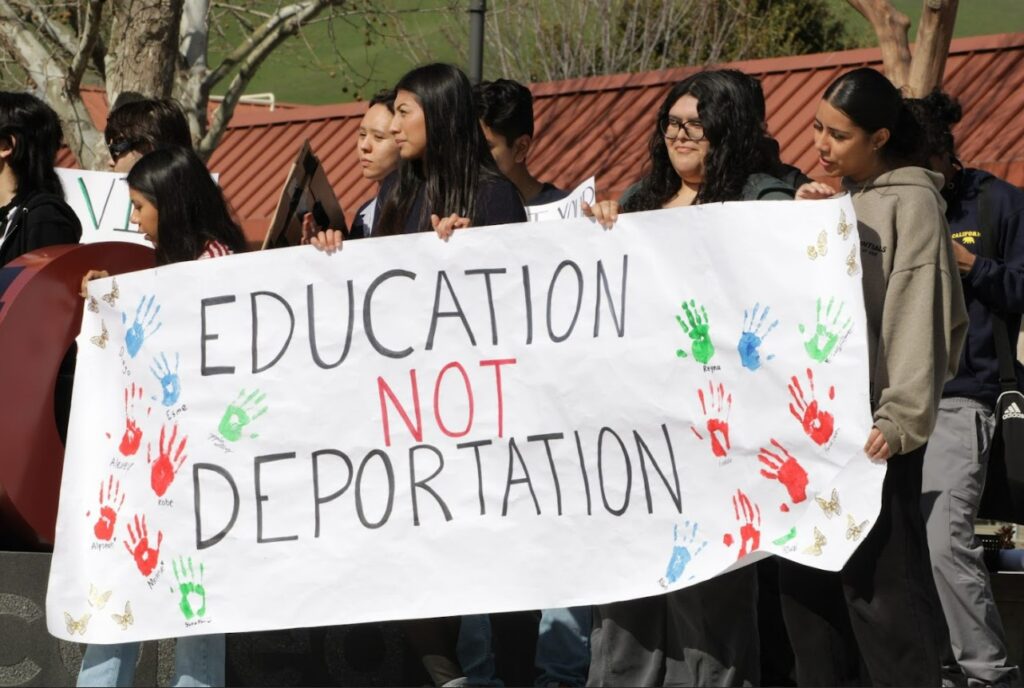
Safeguarding Students: Navigating Immigration Concerns in Educational Districts
The safety and well-being of students are paramount, especially in today's complex global landscape.
For educational institutions, particularly large urban districts, addressing the anxieties and realities surrounding immigration enforcement is a critical challenge.
This article explores the proactive measures and essential considerations for school districts aiming to create a secure and supportive learning environment for all students, even amidst heightened immigration scrutiny.
1.
Understanding the Impact of Immigration Enforcement on schools
Recent events have highlighted the profound impact that immigration enforcement actions can have on students and their families.
When immigration agents conduct operations near or around schools, it can create an atmosphere of fear and uncertainty that directly affects the educational experience.
This is particularly true for districts that serve diverse populations, where a significant number of students may have family members who are undocumented or have precarious immigration status.
The presence of immigration enforcement can lead to a range of negative consequences for students.
These include increased anxiety, decreased attendance, and a general sense of insecurity that hinders their ability to focus on learning.
For students who witness or are directly affected by such actions, the psychological toll can be substantial, impacting their academic performance and overall development.
It is crucial for school districts to acknowledge these realities and develop comprehensive strategies to mitigate these adverse effects.
2.
Proactive Safety Measures: A District's Commitment to Student Protection
Leading educational districts are stepping up to implement robust safety protocols designed to shield students from the disruptive effects of immigration enforcement.
These measures are not just about physical security but also about fostering an environment where students feel safe, supported, and empowered to learn without fear.
The goal is to ensure that the school remains a sanctuary for learning, regardless of external pressures.
One of the primary strategies involves enhancing communication and coordination.
Districts are working to establish clear lines of communication with local law enforcement and immigration agencies to understand their protocols and, where possible, advocate for the protection of school grounds and students.
This includes developing contingency plans for various scenarios and ensuring that school staff are well-informed and trained to respond appropriately.
Key Safety Protocols for School Districts
- Enhanced Communication Channels: Establishing direct lines of communication with local law enforcement and immigration authorities to clarify operational boundaries and advocate for student safety.
- Emergency Preparedness Drills: Regularly conducting drills that simulate various emergency scenarios, including those related to immigration enforcement, to ensure staff and students are prepared.
- "Safe Passage" Initiatives: Deploying additional staff and volunteers to provide a visible presence and support system for students and families entering and leaving school premises.
- Information Dissemination: Providing students and families with readily accessible information about their rights, emergency contact procedures, and resources available to them.
- Virtual Learning Options: Offering flexible enrollment options in virtual academies for students who may feel too anxious or unsafe to attend school in person.
- Lockdown Protocols: Implementing strict automatic protocols for lockdowns if any immigration activity is detected within a designated proximity to school grounds.
3.
Empowering Students and Families: Rights and Resources
A cornerstone of a district's safety strategy is empowering students and their families with knowledge about their rights and the resources available to them.
When families understand their legal standing and the protections afforded to them, they can navigate challenging situations with greater confidence and less fear.
This educational component is vital for building trust and resilience within the school community.
Districts are preparing to distribute comprehensive packets of information on the first day of school.
These packets will serve as a critical resource, detailing family rights, updating emergency contact information in case of detention or deportation, and outlining the support systems in place.
This proactive approach ensures that vital information is readily available when it is most needed, preventing panic and facilitating informed decision-making.
Essential Information for Families
- Understanding Legal Rights: Clear, concise explanations of the rights of students and families, particularly concerning interactions with immigration officials.
- Emergency Contact Procedures: Guidance on how to establish and update emergency contacts, ensuring that designated individuals are informed and can act on behalf of the student if necessary.
- Support Services: Information on available legal aid, counseling services, and community resources that can assist families facing immigration-related challenges.
- School District Policies: An overview of the school district's commitment to student safety and the specific measures being taken to protect them.
4.
Addressing Trauma and Fear: The Psychological Impact on Learning
Research consistently shows that trauma and fear are significant impediments to learning.
When students are subjected to environments that induce stress and anxiety, their cognitive functions, emotional regulation, and social interactions can be severely compromised.
For a school district, especially one as large and diverse as the Los Angeles Unified district, recognizing and actively addressing this psychological impact is as crucial as implementing physical safety measures.
The presence of immigration enforcement can create a pervasive sense of unease that robs children of the peace of mind they need to thrive academically and emotionally.
This is why educational leaders are emphasizing that immigration enforcement is not merely a policy issue but a deeply human one, with tangible consequences for the mental health and well-being of young learners.
Creating a nurturing and secure atmosphere is paramount to fostering an environment conducive to growth and development.
5.
Collaboration and Advocacy: Building a United Front
In the face of complex challenges like immigration enforcement, collaboration among various stakeholders is essential.
School districts cannot tackle these issues in isolation.
Partnerships with local government officials, community organizations, and even law enforcement agencies (within appropriate boundaries) can amplify efforts and create a more comprehensive safety net for students.
The involvement of mayors from surrounding cities, union leaders, and district board members underscores the collective commitment to student welfare.
These collaborations aim to advocate for policies that protect students and ensure that educational institutions remain safe havens.
By presenting a united front, districts can exert greater influence and secure the necessary support to implement effective safety measures and address the anxieties of their communities.
Key Collaborative Efforts
- Joint Press Conferences: Publicly demonstrating a unified stance on student safety and outlining collective commitments to action.
- Advocacy for Policy Changes: Working with elected officials to push for sanctuary policies and protections for students within school communities.
- Community Resource Partnerships: Collaborating with non-profit organizations and community groups to provide additional support services to students and families.
- Inter-Agency Task Forces: Establishing specialized task forces to ensure swift communication and coordination between school districts and local law enforcement.
6.
The Role of teachers and Staff: Frontline Protectors
Teachers and school staff are often the first point of contact for students and are instrumental in identifying and addressing their needs.
Their role extends beyond academic instruction to providing emotional support and ensuring a safe environment.
Equipping educators with the knowledge and tools to handle situations related to immigration enforcement is therefore a critical component of any comprehensive safety plan.
Teacher unions, such as the United Teachers of Los Angeles, have been vocal advocates for enhanced student protections.
Their demands often include pushing for the return of detained students, establishing safe perimeters around schools, and providing virtual options for deported students to continue their education.
The active participation of educators in shaping and implementing safety measures ensures that the practical needs of students are met effectively.
7.
Navigating Legal and Jurisdictional Complexities
School districts often face intricate legal and jurisdictional challenges when it comes to immigration enforcement.
While districts have a responsibility to protect their students, their authority can be limited in areas outside of school property.
This necessitates a strategic approach to collaboration and advocacy to ensure student safety is prioritized.
The announcement of increased collaboration with local law enforcement, including the assignment of a former chief of police to lead a new district task force, signifies an effort to bridge these jurisdictional gaps.
This task force aims to streamline communication and coordination, allowing the district to respond more effectively to potential threats and ensure a coordinated approach to student safety.
However, it is also important to acknowledge reports and investigations that highlight potential conflicts or overreach by certain law enforcement agencies, emphasizing the need for careful oversight and accountability.
Conclusion
The safety and well-being of students in educational settings are of utmost importance, particularly when immigration enforcement actions create an atmosphere of fear and uncertainty.
School districts, like the Los Angeles Unified district, are implementing comprehensive strategies to safeguard their students.
These measures include proactive safety protocols, empowering families with knowledge of their rights, addressing the psychological impact of trauma, fostering collaboration among stakeholders, and equipping educators to act as frontline protectors.
By understanding the complexities and working collaboratively, educational institutions can strive to maintain a secure and supportive environment where every student has the opportunity to learn, grow, and thrive, regardless of their immigration status or background.






 Explore AI Teaching Tools
Comments (0)
Please login to comment
No comments yet
Be the first to comment on this article