

Navigating Educational Resilience: Lessons from Community Support After Fires
The aftermath of significant events, like widespread fires, presents profound challenges for educational communities.Beyond immediate safety concerns, the long-term impact on students, educators, and their families requires a dedicated and multifaceted approach to support.
This article explores the critical role of service, community, and adaptive learning strategies in helping students recover and thrive, drawing insights from individuals who have demonstrated extraordinary commitment in the wake of such crises.
Their experiences highlight the enduring power of education to foster resilience and rebuild lives.
The Immediate Aftermath: Prioritizing Student Well-being and Basic Needs
In the critical hours and days following a disaster, the primary focus shifts to ensuring the immediate safety and well-being of students and their families.This involves not only providing essential resources but also addressing the psychological toll that such events can inflict.
The efforts undertaken by dedicated professionals underscore the importance of a swift and compassionate response.
Providing Essential Resources
When fires strike, the most urgent need is often for basic necessities.
This includes ensuring students and their families have access to:
- Nutritious food and clean water.
- Appropriate clothing and shelter.
- Essential hygiene supplies.
- Medical attention and necessary medications.
These provisions are fundamental to stabilizing families and allowing them to begin the process of recovery.
The proactive distribution of these items can significantly alleviate immediate distress and create a foundation for further support.
Addressing Psychological Trauma
The emotional and psychological impact of experiencing or witnessing devastating fires can be profound, especially for young students.
Recognizing and addressing this trauma is paramount.
This involves:
- Creating safe spaces for students to express their feelings.
- Providing access to trained counselors and mental health professionals.
- Implementing age-appropriate strategies to help children process their experiences.
- Educating educators and staff on recognizing signs of trauma and providing initial support.
Studies indicate that early intervention for psychological trauma can prevent long-term emotional and behavioral issues, enabling students to better engage with their learning and social environments.
Rebuilding Educational Continuity: Strategies for Academic and Personal Recovery
Once immediate needs are met, the focus must shift to re-establishing educational routines and supporting students in regaining a sense of normalcy.This phase requires innovative approaches to instruction, a strong emphasis on community building, and a deep understanding of the unique challenges faced by each student.
The dedication of educators in this period is often extraordinary, going above and beyond their regular duties.
Restoring a Sense of Normalcy Through Familiarity
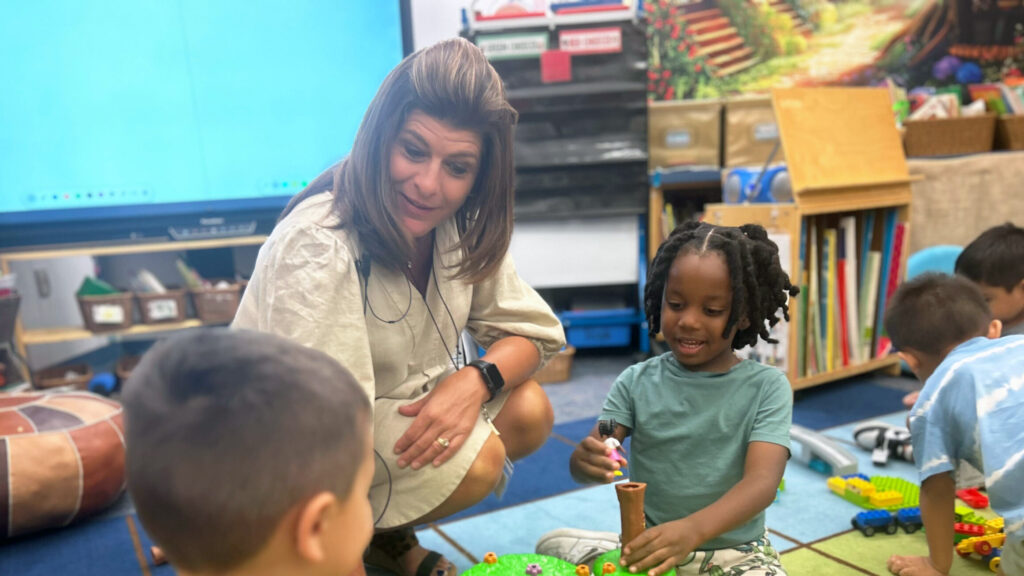
For young students, familiar routines and activities can be powerful anchors during times of upheaval.
Reintroducing comforting elements from before the fires can help them reconnect with a sense of stability and safety.
- Revisiting familiar songs and stories: Engaging with beloved tunes and narratives can evoke positive memories and provide emotional comfort.
The rhythm and melody of songs, especially those involving movement, can be particularly therapeutic.
- Incorporating creative arts: Activities like puppet shows, music, and art provide non-verbal outlets for expression and can help children process their experiences in a playful and engaging manner.
The recognition of a familiar puppet, for instance, can bridge the gap of confusion and re-establish a connection.
- Structured play and movement: Engaging in activities that involve scarves, sticks, or other props can provide a sense of continuity and allow students to release energy and emotions constructively.
These familiar elements act as bridges to a more positive past, offering a sense of continuity that is vital for young learners navigating uncertainty.
They help students feel secure and connected, even when their external circumstances have been dramatically altered.
Adapting Instruction for Displaced and Traumatized Students
The fires can lead to significant disruptions in students' lives, including displacement from their homes and prolonged absences from school.
Educators must adapt their teaching methods to accommodate these challenges.
- Flexible learning environments: Offering virtual access to learning materials and creating optional, non-academic check-in sessions via video conferencing can provide a lifeline for students who are unable to attend in person.
The key is to offer support without pressure, allowing students to engage at their own pace and comfort level.
- Focus on emotional support over academic pressure: In the immediate aftermath, the priority is not on covering curriculum but on providing a safe and supportive space.
Educators can reassure students that their safety and well-being are the primary concerns, and that academic progress will be addressed when they are ready.
- Recognizing and supporting individual needs: It is crucial to acknowledge that not all students will return to school, and those who do may be experiencing ongoing challenges.
Educators must be prepared to offer individualized support and understanding to students who have lost homes or faced significant personal losses.
The commitment to student well-being means understanding that academic progress is intrinsically linked to emotional and psychological stability.
When students feel safe and supported, they are better equipped to re-engage with their education.
Fostering Community and Collective Action in the Face of Adversity
The resilience of an educational community is often amplified by its ability to come together and support one another.When disaster strikes, collective action and a shared sense of purpose can be incredibly powerful in overcoming obstacles and fostering healing.
The Power of Collective Support and Service
The response to widespread fires often involves a remarkable outpouring of support from individuals within and beyond the school system.
This collective effort is crucial for rebuilding and recovery.
- Organizing relief efforts: Communities can mobilize to collect and distribute essential supplies like food, clothing, and hygiene kits.
This can involve coordinating with local organizations and leveraging school resources to reach those most in need.
- Facilitating community events: Bringing people together through events that offer entertainment, food, and opportunities for connection can help rebuild a sense of community and provide a much-needed respite from the stress of recovery.
These events can serve as powerful symbols of unity and resilience.
- Encouraging peer support: Empowering students, particularly older ones, to lead initiatives like fundraising drives can foster a sense of agency and responsibility, while also providing tangible assistance to those affected.
These acts of service, often performed on top of demanding professional responsibilities, demonstrate a profound commitment to the well-being of students and the broader community.
They highlight that education extends beyond the classroom, encompassing the nurturing of a supportive and caring environment.
Leadership in Crisis: Guiding Principles for Educators and Administrators
Effective leadership is critical in navigating the complexities of disaster recovery.
Administrators and educators play a vital role in setting the tone, coordinating efforts, and ensuring that the needs of students remain at the forefront.
- Prioritizing student well-being: The guiding principle should always be the safety, health, and emotional stability of students.
This means making decisions that prioritize their needs, even when faced with difficult logistical challenges.
- Maintaining open communication: Keeping students, families, and staff informed about the situation, available resources, and recovery plans is essential for building trust and reducing anxiety.
- Demonstrating unwavering commitment: A steadfast promise to students and staff, even in the face of significant challenges like fires or budget cuts, reinforces the value of education and the dedication of the institution.
This promise is about showing up for the community, no matter what.
- Facilitating collaboration: Encouraging teamwork among staff, and fostering partnerships with external organizations, can significantly enhance the capacity to respond to and recover from a crisis.
The motto "Rise, Rebuild, and Reopen" encapsulates a proactive and resilient approach.
It signifies a commitment to not only restoring operations but also to emerging stronger and more united after adversity.
This leadership style ensures that the educational mission continues, even in the most challenging circumstances.
Long-Term Recovery: Sustaining Support and Building Future Resilience
The impact of significant events like fires can be long-lasting.Educational institutions must commit to ongoing support and implement strategies that build long-term resilience within their student populations and staff.
This involves continuous evaluation, adaptation, and a sustained focus on the holistic development of every student.
Sustaining Emotional and Academic Support
The journey of recovery is not linear.
Students may continue to experience emotional challenges or academic setbacks long after the immediate crisis has passed.
Therefore, sustained support is crucial.
- Ongoing mental health services: Providing continued access to counselors and psychologists is vital for students who may still be processing trauma or dealing with the ongoing effects of displacement.
- Academic remediation and enrichment: Identifying students who have fallen behind academically and offering targeted support, such as tutoring or specialized learning programs, can help them catch up and regain confidence.
- Building coping mechanisms: Educating students on healthy coping strategies for stress and adversity can equip them with lifelong skills to navigate future challenges.
This can be integrated into the curriculum or offered through workshops.
The goal is to empower students with the tools and resources they need to not only recover but to thrive, developing a robust sense of personal resilience that will serve them throughout their lives.
This proactive approach ensures that the educational journey is not derailed by past adversies.
Creating a Culture of Preparedness and Support
Learning from past experiences, such as the impact of fires, can inform future preparedness strategies.
Educational institutions can proactively build a more resilient community.
- Developing comprehensive emergency response plans: Regularly reviewing and updating plans for various emergencies, including fires, ensures that staff and students are well-prepared and know how to respond effectively.
- Investing in staff training: Providing ongoing professional development for educators on topics such as trauma-informed care, crisis intervention, and supporting students with diverse needs is essential.
- Fostering strong community partnerships: Building and maintaining relationships with local emergency services, mental health organizations, and community support groups can create a robust network for assistance during crises.
- Promoting a supportive school climate: Cultivating an environment where students feel safe, valued, and connected is the most fundamental aspect of building resilience.
This involves fostering positive relationships between students and staff, and among students themselves.
By embedding these principles into the fabric of the school, institutions can create a more secure and supportive environment for all students, ensuring that they are better equipped to face future challenges, whatever they may be.
The commitment to their well-being is a continuous endeavor.
Conclusion
The experiences of educators and support staff in the wake of devastating fires offer invaluable lessons for the global learning community.Their dedication to serving students, from providing immediate necessities to fostering long-term emotional and academic recovery, underscores the profound impact of compassionate and proactive support.
The ability of these individuals to adapt, innovate, and unite their communities in the face of adversity highlights the inherent resilience of the human spirit and the vital role of education in nurturing it.
By prioritizing student well-being, fostering strong community bonds, and implementing adaptive learning strategies, educational institutions can build a more robust and supportive future for all students, ensuring that they are empowered to rise, rebuild, and thrive, no matter the challenges they face.






 Explore AI Teaching Tools
Comments (0)
Please login to comment
No comments yet
Be the first to comment on this article