
Malaysian Village Ignites a New Era: 24/7 Power Arrives for Indigenous Community, Bypassing the Grid
In a landmark achievement for rural development and sustainable energy, a remote Orang Asli village in Malaysia has become the first indigenous settlement in the nation to experience uninterrupted, 24-hour electricity. This transformative project has achieved what many thought impossible: bringing constant power to a community far from conventional infrastructure, powered entirely by the sun.
A Village Awakened by the Sun
The Berasau Orang Asli Village, nestled deep within the Malaysian countryside, is now a beacon of progress. For generations, life here was dictated by the limited hours of generator power, a costly and inconsistent source. This new initiative, however, has fundamentally reshaped daily existence, offering a level of convenience and opportunity previously unimaginable.
This pioneering project, part of a national initiative to uplift adopted villages, has brought a significant upgrade to over 40 households. It represents a crucial step in bridging the energy divide and ensuring that even the most isolated communities can benefit from modern amenities.
The Ingenuity of Off-Grid Solar
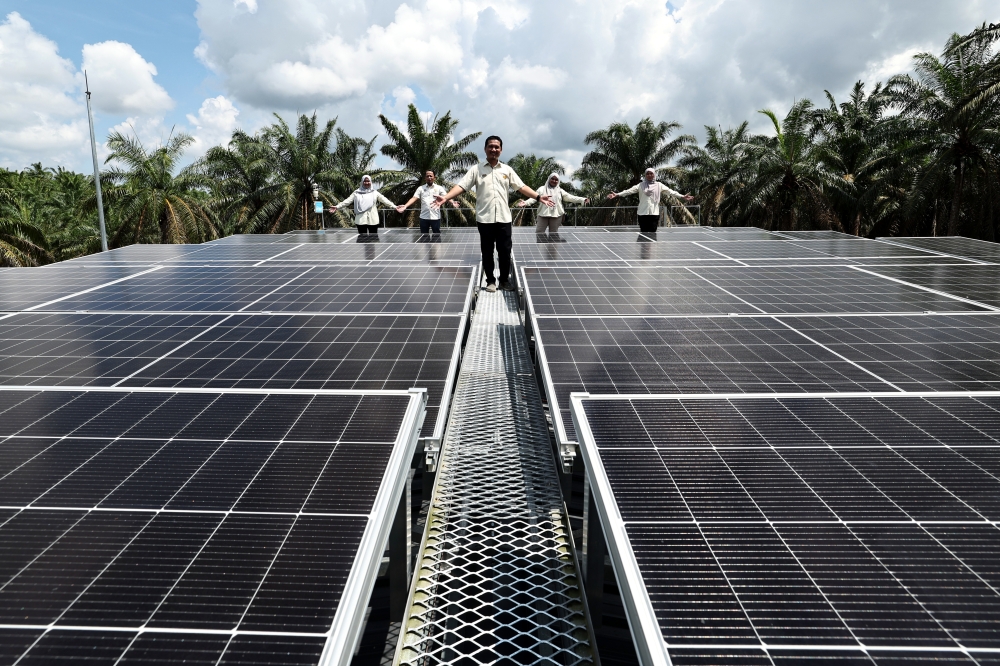
At the heart of this transformation is a sophisticated, off-grid solar photovoltaic (PV) system. Boasting a capacity exceeding 50 kilowatt-peak, this powerful setup is complemented by a substantial 516-kilowatt-hour battery storage system. This ensures a steady and reliable flow of electricity, day and night, eliminating the dependence on noisy, polluting generators.
The success of this project is a testament to collaborative efforts. Spearheaded by a government ministry focused on energy transition, the initiative involved close cooperation with national bodies responsible for sustainable energy development, public works, and various state and federal agencies. Their combined expertise made this ambitious vision a reality.
Empowering Education and Livelihoods
The impact of constant electricity on the lives of Berasau's residents is profound. For the village's children, the ability to study comfortably after sunset has opened new doors to academic success. Previously, limited light meant curtailed study hours, a significant hurdle for young learners.
Beyond education, the project has revitalized local economic activities. Those who rely on fishing, for instance, can now preserve their catch more effectively, reducing spoilage and increasing their income potential. This economic uplift is a direct consequence of having a stable power source available when needed.
A Hub for Community Growth
The project extends beyond individual homes, encompassing a vibrant community hall. This new structure, also powered by solar panels integrated into its roof, serves as a central hub for village life. It's a space for educational programs, community meetings, and social gatherings, fostering a stronger sense of unity and shared progress.
The chief of the Berasau Orang Asli community expressed deep gratitude, highlighting the long-awaited arrival of continuous power. He emphasized how this change has brought basic amenities that were once a distant dream, transforming the daily rhythm of village life.
A Model for the Future
The decision to implement an off-grid solar system was strategic. Extending the conventional electricity grid to such a remote location presented significant logistical and environmental challenges, including traversing protected forest reserves and private land. The solar project offered a faster, more sustainable, and less disruptive solution.
Officials involved in the project envision this success story serving as a blueprint for other indigenous settlements across Malaysia. The goal is to replicate this model in remote areas that still grapple with inconsistent or non-existent electricity, ensuring equitable access to clean energy nationwide.
Overcoming the Challenges of Remoteness
Bringing this advanced energy system to Berasau was no small feat. The project team faced considerable hurdles, primarily related to the village's extreme remoteness. Transporting materials and ensuring precise installation in such a challenging environment required meticulous planning and unwavering dedication.
Despite these obstacles, the project was completed ahead of schedule, a testament to the strong collaboration between all involved parties, including the enthusiastic participation of the local community. This successful execution underscores the viability of complex infrastructure projects in even the most challenging terrains.
After nearly six months of operation, the solar system is performing exceptionally well, delivering tangible benefits to residents. The transition from limited generator power to a constant, clean energy supply marks a significant turning point for Berasau, illuminating a brighter future for its people.





 Explore AI Teaching Tools
Comments (0)
Please login to comment
No comments yet
Be the first to comment on this article