
Igniting Connection: How Reading Empowers Young Men Against Loneliness
In today's rapidly evolving world, a growing concern is the increasing sense of isolation experienced by young men.This sentiment is often intertwined with a decline in engagement with reading, a practice that historically fostered connection and understanding.
This article explores the critical link between literacy and social well-being, offering insights and actionable strategies for nurturing a generation that finds strength and belonging through the power of the written word.
The Growing Epidemic of Young Male Loneliness
Studies indicate a significant rise in feelings of loneliness among young men across various demographics.This isn't merely a fleeting emotion; it's a pervasive state that can impact mental health, social development, and overall life satisfaction.
The pressures of modern life, coupled with shifts in social interaction, seem to disproportionately affect this group.
Research shows that a notable percent of young men report experiencing loneliness frequently, a figure that often surpasses that of their female peers.
This trend is not confined to one region; international comparisons suggest a global dimension to this challenge.
The reasons are multifaceted, potentially stemming from diminished opportunities for deep, in-person connections, the substitution of digital interactions for genuine relationships, and evolving societal expectations.
Understanding the Contributing Factors
Several factors appear to converge, creating an environment where young men may feel more disconnected.The transition into adulthood, whether through higher education, the workforce, or personal relationships, presents unique challenges.
When these pathways are perceived as less accessible or fulfilling than in previous generations, it can exacerbate feelings of isolation.
Furthermore, the digital landscape, while offering connectivity, can sometimes foster superficial interactions that fail to address the fundamental human need for belonging.
The substitution of face-to-face engagement with screen time can lead to a deficit in the development of crucial social skills and emotional intelligence, leaving young men feeling adrift.
The Declining Landscape of Literacy Engagement
Parallel to the rise in loneliness, there's a concerning trend of reduced engagement with reading among young men.Literacy scores, a fundamental indicator of educational attainment and cognitive development, have shown a downward trajectory in recent years.
This decline is not just about academic performance; it reflects a broader cultural shift away from sustained reading and critical engagement with text.
The implications are far-reaching, impacting not only individual potential but also the fabric of society.
The Literacy Crisis: More Than Just Scores
The statistics paint a stark picture: a significant percent of high school seniors are not reading at proficient levels, with scores showing a notable decrease over time.This isn't merely a matter of technical skill; it signifies a potential disconnect from the vast reservoir of knowledge, empathy, and critical thinking that reading cultivates.
When young men are not reading, they miss out on opportunities to explore diverse perspectives, understand complex issues, and develop the nuanced thinking required to navigate an increasingly intricate world.
This deficit can leave them more susceptible to misinformation and less equipped to form reasoned opinions.
Reading Habits and Gendered Perceptions
Studies also reveal a disparity in reading habits, with boys sometimes showing lower rates of engagement with reading for pleasure than girls.This can be influenced by societal norms that may inadvertently frame reading as a less masculine pursuit.
Historically, certain cultural expectations have not always encouraged boys to embrace reading as a core activity.
This perception can create a barrier, preventing young men from discovering the profound personal and social benefits that reading offers.
The Powerful Connection: How Reading Fosters Social Bonds
The good news is that the relationship between reading and social well-being is not a one-way street; it's a dynamic interplay with immense potential for positive change.Research increasingly highlights how engaging with literature can actively combat loneliness and build crucial social connections.
Reading is not just an individual pursuit; it can be a powerful catalyst for community and understanding.
Neuroscience of Connection Through Reading
Neuroscience offers compelling evidence for the social benefits of reading.Studies indicate that the act of reading, particularly reading aloud, activates brain regions associated with language processing and, crucially, social bonding.
This suggests that immersing oneself in stories and ideas can literally rewire the brain to enhance our capacity for empathy and connection.
When young men engage with narratives, they step into the shoes of diverse characters, experiencing their joys, sorrows, and challenges.
This vicarious experience cultivates empathy, a cornerstone of healthy relationships.
Reading as a Social Ritual
Beyond the neurological impact, reading can be transformed into a powerful social ritual.Instead of viewing reading as a solitary, academic chore, it can be reimagined as a communal activity that fosters shared experiences and deeper understanding.
Creating opportunities for young men to read together, discuss books, and share their interpretations can build strong bonds and a sense of belonging.
This approach shifts the focus from individual performance to collective engagement and mutual discovery.
Actionable Strategies to Reinvigorate Reading for Young Men
Addressing the intertwined challenges of loneliness and declining literacy requires a proactive and multifaceted approach.The goal is to make reading an accessible, enjoyable, and socially rewarding experience for young men, thereby empowering them to build stronger connections and navigate life with greater confidence.
Cultivating a Love for Reading from an Early Age
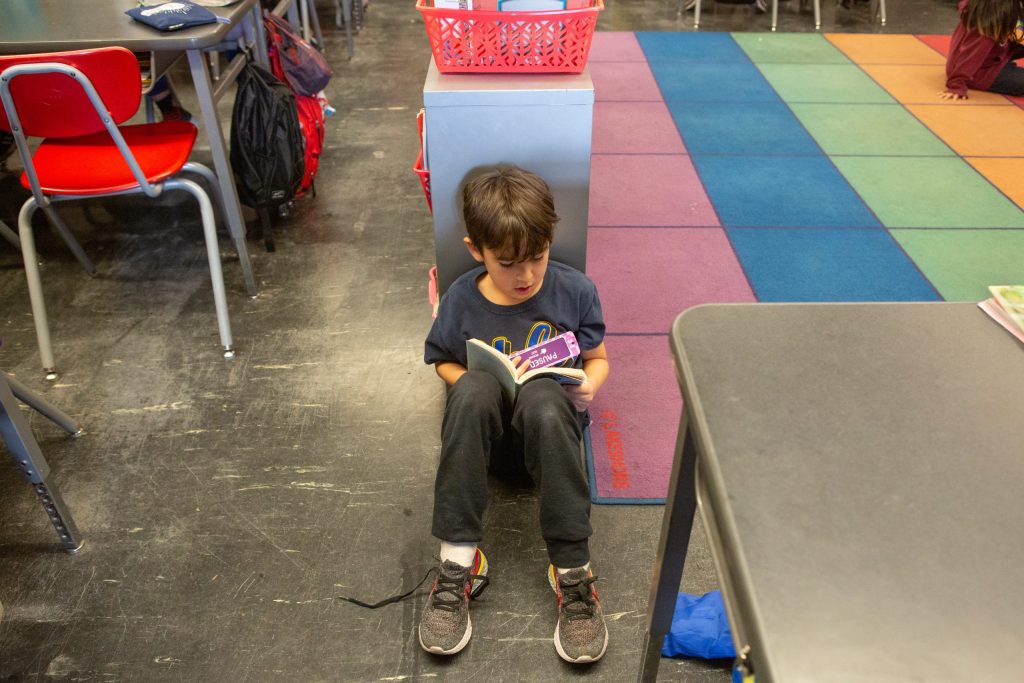
The foundation for a lifelong love of reading is often laid in childhood.Parents, guardians, educators, and mentors play a vital role in introducing young boys to the wonders of books.
This involves: * Reading Aloud Regularly: Even beyond the toddler years, continuing to read aloud to children can be a powerful bonding experience.
It creates shared moments of quiet intimacy and introduces them to a world of stories. * Creating a Reading-Rich Environment: Ensuring books are readily available and visible in the home and learning spaces can normalize reading as a daily activity. * Making Reading Fun: Connecting reading to a child's interests, whether it's sports, science fiction, or adventure, can spark genuine enthusiasm.
Reframing Literacy as a Relational Experience
It's crucial to move away from any perception that reading is solely an academic duty or a gendered expectation.Instead, literacy should be framed as a vital tool for connection, understanding, and personal growth.
This means: * Highlighting Social Benefits: Emphasize how reading helps us understand others, build empathy, and engage in meaningful conversations. * Promoting Diverse Narratives: Ensure young men have access to stories that reflect their experiences, interests, and aspirations, as well as those that broaden their horizons. * Encouraging Discussion: Create safe spaces for young men to talk about what they read, share their thoughts, and connect with others over shared literary experiences.
Implementing Community-Based Reading Initiatives
schools and community organizations can play a pivotal role in fostering a culture of reading that combats isolation.Consider implementing: * Book Clubs for Young Men: Facilitate structured or informal book clubs where young men can gather to discuss literature, share perspectives, and build camaraderie. * Intergenerational Reading Programs: Connect young men with older mentors or community members for shared reading sessions, fostering mutual respect and understanding. * Creative Writing Workshops: Encourage young men to express themselves through writing, providing an outlet for their thoughts and emotions and a way to connect with peers. * Literary Events and Festivals: Organize events that celebrate reading and storytelling, making it a vibrant and engaging community activity.
Conclusion
The growing disconnect experienced by young men is a complex issue, but one that holds immense potential for positive change through the power of reading.By understanding the factors contributing to loneliness and the declining engagement with literacy, we can implement targeted strategies that reignite a passion for books.
Transforming reading from a solitary pursuit into a relational ritual, supported by neuroscience and community initiatives, offers a powerful pathway to fostering connection, empathy, and resilience.
Investing in reading is an investment in the well-being and future of a generation, empowering young men to find their voice, build meaningful relationships, and thrive in a connected world.






 Explore AI Teaching Tools
Comments (0)
Please login to comment
No comments yet
Be the first to comment on this article