
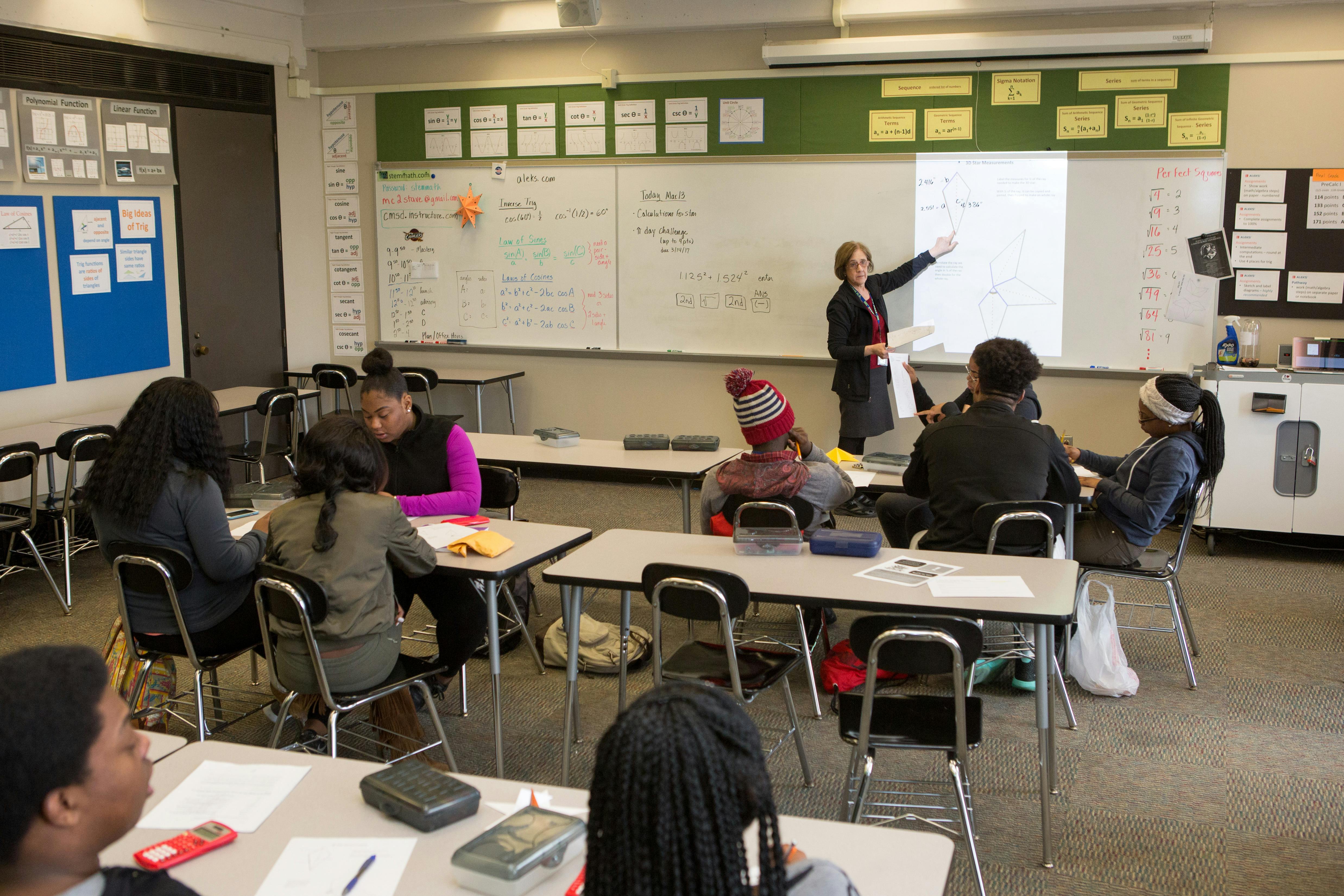
The Odds Are Stacked: Why Schools Are Rethinking Math Education in the Age of Ubiquitous Gambling
A quiet revolution is brewing in classrooms across the nation, one that acknowledges a stark reality: the pervasive influence of gambling on young lives. Far from being a fringe activity, betting, particularly in the realm of sports, has become deeply embedded in popular culture, presenting a complex challenge for educators and parents alike.
The Invisible Casino in Every Pocket
The landscape of gambling has shifted dramatically in recent years. What was once confined to brick-and-mortar establishments is now accessible with a few taps on a smartphone. This digital ubiquity, coupled with aggressive marketing, has created an environment where students are constantly exposed to the allure of betting.
Experts point to a concerning trend: the normalization of gambling among adolescents. This accessibility means that for many students, the act of placing a bet is as casual as scrolling through social media. The constant stream of notifications and targeted advertisements further blurs the lines between entertainment and potentially harmful behavior.
Underage Wagering: A Growing Concern
Despite legal age restrictions, underage gambling is a widespread phenomenon. Reports indicate that a significant portion of young boys engage in some form of gambling before reaching adulthood. Furthermore, a substantial percentage of students encounter gambling-related content on their social media feeds, raising questions about the effectiveness of current protective measures.
This early exposure is particularly worrying because adolescent brains are still developing. The impulsive nature of youth, combined with a perceived sense of invincibility, can make them more susceptible to the long-term consequences of gambling addiction. The delayed impact of these consequences often makes the risks seem abstract and distant to teenagers.
The Math Behind the Bet: A New Curriculum Imperative
As the prevalence of gambling rises, a growing consensus is emerging: enhanced math skills are crucial for equipping students with the tools to navigate this complex environment. This isn't just about abstract probability; it's about understanding the fundamental mathematics that underpin all forms of betting.
Companies that facilitate gambling rely on sophisticated algorithms and statistical models to ensure profitability. For students, a solid grasp of probabilities, data analysis, and critical thinking can demystify these operations and highlight the inherent disadvantages faced by individual bettors. This mathematical literacy can serve as a powerful deterrent against problematic gambling.
From Pie Charts to Parlays: Making Math Relevant
Traditional math education, often perceived as dry and disconnected from real life, may find a surprising ally in the world of gambling. The inherent mathematical nature of betting can make learning probabilities and statistics more engaging and relevant for students.
Instead of abstract exercises, educators can use real-world examples of odds, payouts, and statistical anomalies found in sports betting and other forms of gambling. This approach can foster a deeper understanding of mathematical concepts while simultaneously addressing the risks associated with these activities. The goal is to transform abstract numbers into tangible insights.
Beyond Probability: The Psychology of Addiction
While math skills are vital, experts emphasize that they are only one piece of the puzzle. Gambling addiction is a complex issue with significant psychological components. Understanding the emotional traps and cognitive biases that can lead to compulsive behavior is equally important.
Cognitive behavioral therapy techniques, often used to treat gambling disorders, focus on helping individuals recognize and challenge their thought patterns. Introducing these concepts in an educational setting can empower students to become more self-aware and make more informed decisions, even when faced with the thrill of a potential win.
Deconstructing the Marketing Machine
The companies involved in the gambling industry employ highly sophisticated marketing strategies to attract and retain customers. These tactics, often subtle and persuasive, can be particularly effective on young, impressionable minds. Understanding these marketing techniques is a critical component of responsible decision-making.
For instance, the common practice of offering "free bets" or bonuses is often underpinned by complex data analysis that predicts a user's long-term spending habits. By teaching students to critically assess these offers and understand the underlying business models, educators can foster a healthy skepticism towards gambling advertisements.
The Role of Educators and Parents: Navigating Taboos
There's a natural hesitation among some educators and parents to discuss gambling, fearing that it might inadvertently encourage the behavior. However, the reality is that students are already exposed to gambling through various channels, making abstinence an increasingly impractical approach.
Instead, a proactive strategy of education and open dialogue is essential. By acknowledging the presence of gambling and providing students with the knowledge and critical thinking skills to engage with it responsibly, adults can help mitigate the risks. This approach shifts the focus from prohibition to empowerment.
When Sports Become a Betting Board
The explosion of sports betting has particularly captured the attention of young men, who may believe their knowledge of sports translates into a guaranteed advantage. This overconfidence, coupled with the allure of quick financial gains, can be a dangerous combination.
Educators can challenge these misconceptions by illustrating the statistical realities of sports betting. Explaining why even expert predictions are not foolproof and how the odds are inherently designed to favor the house can help students develop a more realistic perspective. The focus must be on understanding that these are large companies designed to profit, not to be a student's ally.
A Proactive Approach to Student Well-being
The integration of gambling education into school curricula is not about promoting betting, but about fostering informed decision-making and protecting students from potential harm. By embracing the mathematical and psychological dimensions of gambling, educational institutions can equip students with essential life skills.
The goal is to cultivate a generation that can approach financial speculation with a healthy dose of skepticism, understand the odds, and recognize the psychological allure that can lead to addiction. This proactive approach, grounded in critical thinking and mathematical literacy, is vital for the well-being of students in an increasingly complex world.







 Explore AI Teaching Tools
Comments (0)
Please login to comment
No comments yet
Be the first to comment on this article