
Washington State's Community College Bachelor's Degrees: A Model for Accessible Higher Education
Navigating the path to a bachelor's degree can be a complex journey, especially for students who are deeply rooted in their local communities.
For many, the dream of advancing their careers through higher education is met with the reality of limited access to four-year institutions.
However, a groundbreaking model emerging from Washington state offers a compelling solution, demonstrating how community colleges can effectively bridge this gap.
This approach prioritizes place-bound students, ensuring that geographical limitations do not hinder their pursuit of essential bachelor's degrees, particularly in high-demand fields like teaching and nursing.
Discover how Washington's innovative framework is reshaping higher education accessibility and empowering local communities.
The Washington Advantage: Expanding Bachelor's Degree Access
Washington state has established a unique ecosystem where community colleges are empowered to offer a diverse range of bachelor's degrees.
This initiative is driven by a fundamental principle: that individuals in any community, regardless of its remoteness, deserve equitable access to higher education.
Unlike many other states, Washington's community colleges can pursue bachelor's degrees in virtually any field, provided they can demonstrate a clear regional workforce need and a strong likelihood of student enrollment.
This forward-thinking policy is not about creating unnecessary competition but about broadening pathways to opportunity for those who might otherwise be excluded from higher education.
The success of this model is evident in the stories of students like Saray Preciado.
Laid off from her paralegal job during the pandemic and with a young child, Saray needed a career advancement that wouldn't require her to relocate or endure lengthy commutes.
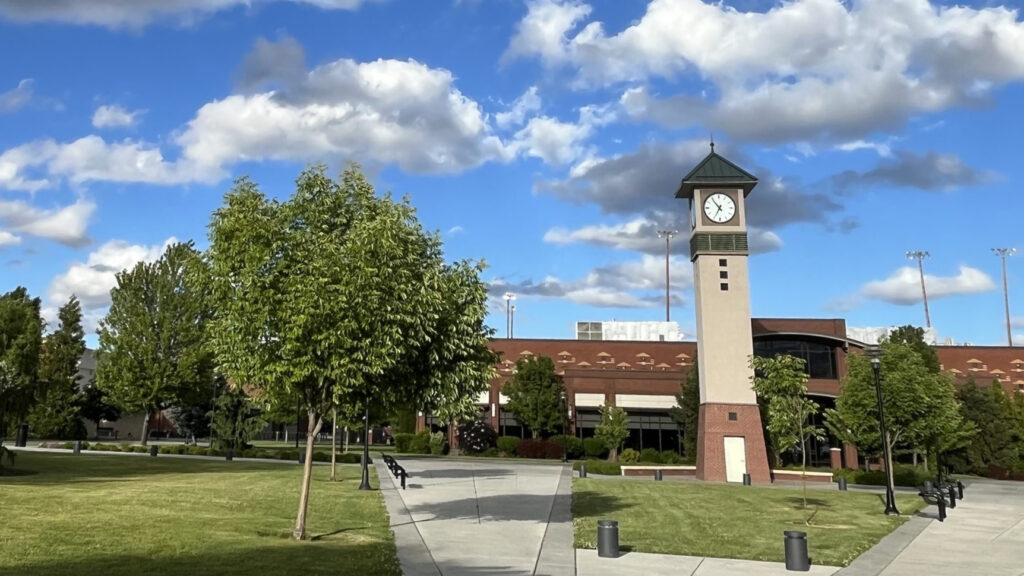
Yakima Valley College, a community college in her area, offered the perfect solution.
By providing evening classes and a relevant bachelor's degree program in education, the college allowed Saray to pursue her dream of becoming a teacher while remaining close to her family and responsibilities.
Her graduation and subsequent placement at a local elementary school underscore the profound impact of accessible, community-based bachelor's degrees.
Research indicates that a significant portion of students are "place-bound," meaning they are tied to their local areas due to work, family obligations, or financial constraints.
Washington's community college bachelor's degree programs are specifically designed to serve this demographic.
By offering degrees that align with local economic needs, these institutions ensure that graduates are well-positioned to contribute to their regional economies, fostering local growth and reducing workforce shortages.
This focus on applied learning and regional relevance is a cornerstone of Washington's success.
Key Factors Driving Washington's Success:
- Regional Workforce Needs assessment: Colleges must prove a demonstrable demand for graduates in specific fields within their local or regional job markets.
- Student Enrollment Projections: A solid plan for attracting and retaining students is crucial for program approval.
- Flexibility in Program Offerings: Unlike some other states, Washington's framework allows community colleges to offer degrees even if similar programs exist at four-year universities, with a focus on meeting unmet local needs.
- Streamlined Approval Process: The final decision-making authority rests with community college officials, allowing for quicker adaptation to local demands.
Understanding the "Applied Bachelor's" Philosophy
The bachelor's degrees offered at Washington's community colleges are often referred to as "applied bachelor's degrees." This designation highlights their practical orientation, emphasizing the development of skills and knowledge directly applicable to the workforce.
These programs are meticulously designed to equip students with the competencies needed to excel in their chosen professions immediately upon graduation.
Consider the case of Pedro Huecias, a graduate of Yakima Valley College's agricultural sciences bachelor's program.
His capstone project involved developing a comprehensive business plan for his own vineyard, a long-held ambition.
This project provided him with real-world experience and a tangible roadmap for his entrepreneurial aspirations.
While currently working in the dairy industry, his applied degree has provided him with the foundational knowledge and strategic thinking to pursue his dream of owning and operating his own vineyard, demonstrating the direct link between education and personal and professional fulfillment.
Similarly, Sofia Gonzalez, a student in the dental hygiene bachelor's program at Yakima Valley College, exemplifies the benefits of this model for family-oriented individuals.
Living at home while pursuing her degree made it more affordable, allowing her to support her mother and younger brother.
Her plan to work locally after graduation further illustrates how these programs contribute to the retention of skilled professionals within their home communities.
The emphasis on practical skills and local employment opportunities makes these bachelor's degrees a powerful tool for community development.
The Impact of Applied Learning:
- Direct Career Readiness: Graduates are equipped with job-specific skills, making them highly employable.
- Entrepreneurial Focus: Programs often incorporate elements that foster innovation and business development.
- Community Integration: Students are encouraged to apply their learning to local challenges and opportunities.
- Enhanced Earning Potential: A bachelor's degree, especially in a high-demand field, significantly boosts earning capacity.
Lessons for Other States: Bridging the Higher Education Divide
Washington state's success offers valuable insights for other regions grappling with similar challenges in higher education access.
The core lesson is that a rigid adherence to traditional university structures can inadvertently exclude a significant portion of the population.
By empowering community colleges to offer bachelor's degrees, states can create more inclusive and responsive educational systems.
In California, for instance, while steps have been taken to allow community colleges to offer bachelor's degrees, restrictions remain.
Current legislation often prevents these colleges from offering degrees in fields already covered by the state's four-year university systems, such as nursing and education.
This limitation, despite critical workforce shortages in these very areas, hinders the ability of place-bound students to access necessary qualifications.
Advocates argue that a more flexible approach, one that considers regional needs and student accessibility, is essential.
The debate in California highlights the tension between established university systems and the potential of community colleges.
While the California State University (CSU) system has expressed concerns about duplication, proponents of community college bachelor's degrees emphasize that the goal is not to compete but to fill critical gaps and serve underserved populations.
The proposed Senate Bill 895, which aims to allow up to 15 community colleges to offer nursing bachelor's degrees, represents a potential turning point, prioritizing underserved areas and addressing a pressing statewide need.
Studies indicate that when community colleges are allowed to offer bachelor's degrees, particularly in fields with high demand and limited local four-year options, degree attainment rates in those regions increase.
This, in turn, leads to a more skilled workforce and stronger local economies.
The Washington model demonstrates that by embracing a more expansive view of higher education, states can unlock the potential of their communities and ensure that more individuals can achieve their academic and professional goals.
Key Takeaways for Policy and Practice:
- Prioritize Place-Bound Students: Design policies that explicitly address the needs of students who cannot relocate for their education.
- Focus on Regional Needs: Encourage bachelor's degree programs that directly align with local economic development and workforce demands.
- Streamline Approval Processes: Reduce bureaucratic hurdles that prevent community colleges from responding quickly to educational needs.
- Foster Collaboration, Not Competition: Encourage partnerships between community colleges and four-year institutions to identify and address educational gaps collaboratively.
- Embrace Applied Learning: Support programs that emphasize practical skills and direct career readiness.
Conclusion
Washington state's pioneering approach to community college bachelor's degrees offers a powerful blueprint for expanding access to higher education.
By recognizing the unique needs of place-bound students and aligning academic programs with regional workforce demands, these institutions are not only empowering individuals but also strengthening their communities.
The success of programs in fields like education and nursing, as exemplified by students like Saray Preciado and Sofia Gonzalez, underscores the transformative potential of this model.
As other states consider reforms, the lessons learned from Washington provide a compelling case for a more inclusive, flexible, and community-centered approach to bachelor's degree attainment, ensuring that the pursuit of higher education is within reach for all.





 Explore AI Teaching Tools
Comments (0)
Please login to comment
No comments yet
Be the first to comment on this article