
California's School Vaccination Audit: Protecting Students and Understanding Requirements
Ensuring the health and safety of students is paramount for any educational institution.In California, this commitment extends to rigorous vaccination policies designed to prevent the spread of serious communicable diseases.
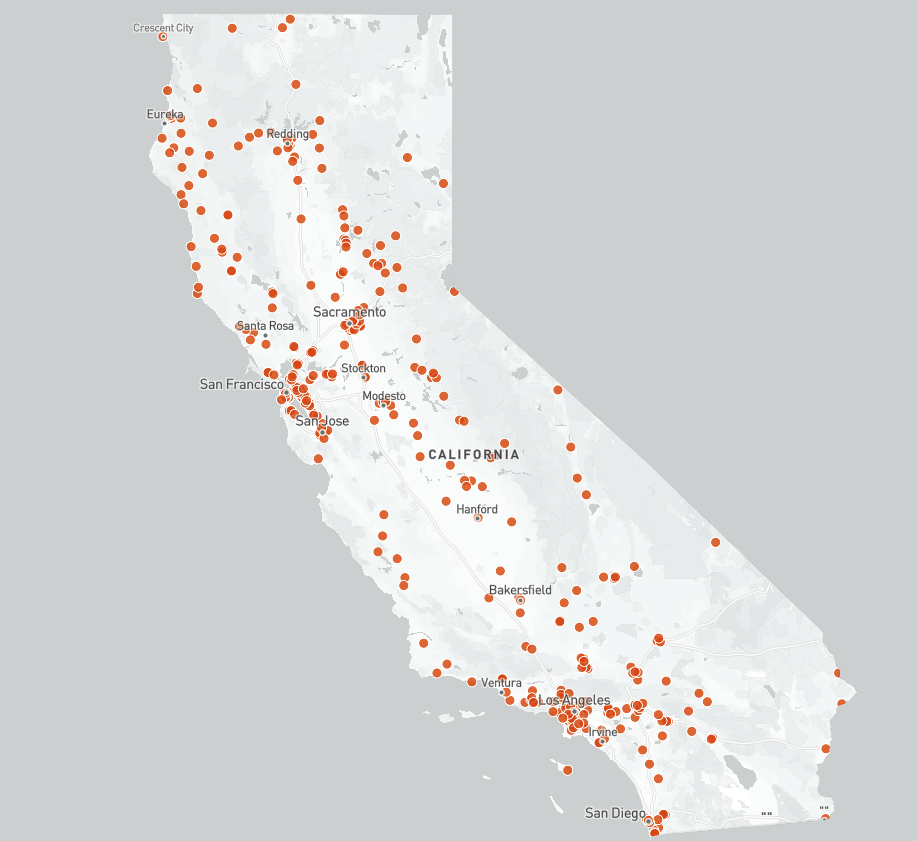
Recently, the state has undertaken a significant audit of 428 schools due to concerns over lower-than-desired vaccination rates among their students.
This initiative highlights the ongoing importance of immunizations in public schools and the state's proactive approach to maintaining herd immunity.
Understanding these requirements and the reasons behind them is crucial for parents, educators, and school administrators alike.
The Foundation of School Health: California's Immunization Mandates
California law establishes a clear framework for student health, requiring specific immunizations for children attending public and private schools, as well as child care centers.These mandates are not arbitrary; they are based on extensive research linking vaccination to the prevention of widespread outbreaks of dangerous illnesses.
The goal is to create a protected learning environment where students can thrive without the threat of preventable diseases.
Essential Vaccines for School Entry
To attend school in California, students must be immunized against a comprehensive list of 10 serious communicable diseases.This list is designed to cover the most prevalent and potentially harmful infectious agents that can impact young populations.
The required vaccinations include:
- Diphtheria
- Haemophilus influenzae type B (Hib) – a cause of bacterial meningitis
- Measles
- Mumps
- Pertussis (whooping cough)
- Polio
- Rubella
- Tetanus
- Hepatitis B
- Chickenpox (Varicella)
When Proof of Immunization is Necessary
Proof of these vaccinations is a critical requirement at several key stages of a child's educational journey.This ensures that protection is maintained as students transition through different age groups and educational settings.
Key points of verification include:
- Upon entering kindergarten
- Upon entering seventh grade
- When transferring into a new school from out of state
- When initially enrolling in child care or transitional kindergarten
The California School Vaccination Audit: Identifying and Addressing Gaps
The recent audit of 428 California schools underscores the state's commitment to ensuring compliance with its immunization laws.This process involves identifying schools where a significant percentage of students, specifically kindergartners or seventh graders, have not met the full vaccination requirements.
Understanding the Audit Criteria
The state's audit focuses on schools where more than 10% of kindergartners or seventh graders were found to be not fully vaccinated during the previous school year.This threshold is a key indicator that a school community may be at a higher risk for potential outbreaks.
Additionally, schools that failed to report their vaccination data to the state were also flagged.
Why the Audit Matters: Protecting the Community
The primary objective of this audit is to safeguard the health of all students.When vaccination rates drop below a certain level, the concept of "herd immunity" – where a large percentage of the population is immune, thus protecting those who cannot be vaccinated – is compromised.
This can lead to a resurgence of diseases that were once well-controlled.
Trends in Vaccination Rates
While the number of schools on the audit list has decreased compared to previous years, this does not necessarily signal a universal increase in student vaccination.Studies indicate that, in the most recent reporting year, California's kindergarten vaccination rates saw a slight decline, dipping to 93.7%.
This subtle shift, though seemingly small, can represent hundreds of students and highlights the need for continued vigilance and proactive measures.
The Impact of Measles and Shifting Federal Policies
Recent events have amplified concerns about childhood vaccinations.Nationwide, there has been a concerning rise in measles cases, reaching levels not seen in decades.
California has also reported an increase in measles cases.
This resurgence, coupled with shifts in federal vaccination recommendations, has brought the importance of immunizations back into national focus.
Some federal policy changes have deemphasized certain vaccines for general recommendation, leading to potential confusion among parents and a risk of children falling behind on their immunization schedules.
Consequences of Non-Compliance: Funding and Corrective Actions
California's approach to school vaccination compliance is multifaceted, involving not only public health concerns but also financial implications for educational institutions.Schools that do not meet the state's immunization regulations can face tangible consequences.
Financial Repercussions for Schools
Local education agencies (LEAs) found to be out of compliance with immunization regulations risk losing average daily attendance (ADA) funding for students who are not fully vaccinated.This means that schools could see a reduction in the financial resources allocated to them, directly impacting their ability to serve their student populations.
The Audit Process and Corrective Plans
An audit finding is not merely a notification of a problem; it necessitates a proactive response.LEAs that are repeatedly found to be out of compliance will continue to face audit findings and the associated funding losses.
Crucially, each audit finding requires the LEA to develop and implement a corrective action plan.
This plan must clearly outline the steps the school or district will take to remedy the issue and prevent its recurrence in future years.
Virtual and Non-Classroom-Based Schools
While the state's immunization requirements primarily target students attending in-person classes, virtual and non-classroom-based schools are still obligated to maintain immunization records for their students.This ensures that comprehensive health data is available, even for students learning remotely.
Historical Funding Losses
In the past, a number of schools have experienced funding losses due to admissions of students without the required vaccinations.This underscores the seriousness with which the state views adherence to these health mandates.
Geographic and Demographic Trends in the Audit
The California school vaccination audit reveals a diverse landscape of schools facing challenges, from small rural institutions to large urban districts.Understanding these patterns can help tailor support and interventions.
The Prominence of Small, Rural Schools
A notable trend in the audit list is the significant presence of small schools located in rural areas.These schools, often with fewer students overall, can be disproportionately affected when a small number of unvaccinated children impact their overall compliance rates.
For instance, one rural elementary school in Fresno County was identified with a high percentage of unvaccinated students among its small kindergarten and seventh-grade cohorts.
Urban and Suburban Districts Also Affected
While rural schools are prominent, urban and suburban school districts are also represented on the audit list.Large districts like Oakland Unified and Los Angeles Unified have had multiple schools flagged.
These districts, serving tens of thousands of students, face the complex task of managing vaccination compliance across a vast network of educational sites.
Specific School Examples and Progress
The audit provides specific examples of schools grappling with vaccination rates.In Oakland Unified, several elementary and middle schools appeared on the list, with some having a high percentage of seventh graders needing vaccinations.
However, there are also stories of progress.
Some Oakland schools that have been on the audit list for multiple years have shown marked improvement in their vaccination rates, demonstrating the effectiveness of targeted interventions.
Similarly, Los Angeles Unified, the state's largest school district, has also had a number of schools on the audit list, with dedicated health teams working to connect families with resources and support compliance.
Bay Area Schools and High Vaccination Rates
Conversely, some schools in the Bay Area, despite being on the audit list, have also been noted for having a significant proportion of kindergartners without all their required vaccinations.This highlights that challenges can exist even in areas with generally high educational standards.
Factors Influencing Vaccination Rates: Beyond School Compliance
The dynamics influencing school vaccination rates are complex and extend beyond the direct control of individual schools.A confluence of societal factors, parental concerns, and evolving public health guidance plays a significant role.
The Role of Vaccine Hesitancy
Vaccine hesitancy, a phenomenon that has been amplified by recent global health events, is a significant factor contributing to declining vaccination rates in some communities.Concerns, often fueled by misinformation, can lead parents to delay or refuse vaccinations for their children.
Evolving Federal Recommendations and Parental Confusion
Recent shifts in recommendations from federal health agencies, such as the Centers for Disease Control and Prevention (CDC), have added another layer of complexity.When recommendations for certain vaccines are deemphasized for general populations, it can create confusion for parents about which immunizations are truly necessary.
This confusion can lead to a passive approach, where parents may forgo vaccinations that were previously considered standard.
The California Department of Public Health's Stance
In response to evolving landscapes and potential parental confusion, the California Department of Public Health often recommends that parents adhere to the vaccination schedule provided by organizations like the American Academy of Pediatrics.This provides a consistent and evidence-based guideline for ensuring children are adequately protected.
Exemptions and Oversight
California law does allow for certain exemptions to vaccination requirements, primarily for medical reasons.However, the state has implemented increased oversight for medical exemptions, requiring review by the California Department of Public Health under specific circumstances, such as at schools with low overall immunization rates or when a single physician issues a high number of exemptions.
It is important to note that California is among a group of states that do not permit personal belief exemptions for school vaccination requirements.
Mentofy's Role in Supporting Educational Health Initiatives
At Mentofy, we understand the critical importance of accessible and accurate educational content, especially when it pertains to public health and safety.While we do not directly administer health programs, our platform is dedicated to providing learners with the knowledge and resources they need to understand complex topics.
Empowering Learners with Information
We believe that informed communities are healthier communities.By offering comprehensive educational materials on subjects like public health mandates, scientific research, and the importance of preventative measures, Mentofy empowers students, parents, and educators to make informed decisions.
Our platform can serve as a valuable resource for understanding the rationale behind school health policies, the science of immunizations, and the societal benefits of widespread vaccination.
Fostering a Culture of Learning and Well-being
Mentofy is committed to supporting a global learning community that prioritizes well-being.By providing clear, well-researched educational content, we aim to demystify important public health issues and contribute to a more informed and engaged populace.
Conclusion: A Collective Responsibility for Student Health
The California school vaccination audit serves as a vital reminder that maintaining high immunization rates is a continuous effort and a shared responsibility.The state's proactive approach, through audits and clear mandates, aims to protect the health and safety of its students.
By understanding the required vaccinations, the reasons behind them, and the potential consequences of non-compliance, schools, parents, and communities can work together to ensure that educational environments remain safe havens for learning and growth.
The ongoing dialogue around vaccination, informed by scientific evidence and a commitment to public health, is essential for safeguarding the well-being of future generations.







 Explore AI Teaching Tools
Comments (0)
Please login to comment
No comments yet
Be the first to comment on this article