
California Classrooms Reimagined: Beyond Pencils, Towards Personalized Learning in the Post-COVID Era
Five years after the seismic shift of the COVID-19 pandemic shuttered school doors, the landscape of education in California is undergoing a profound transformation. What began as an emergency pivot to remote learning has, in many ways, permanently altered the fabric of the classroom, from the tools students use to the very rhythm of daily instruction. The echoes of isolation and learning gaps are still present, but a new era of engagement, driven by technology and a renewed focus on individual student needs, is taking root.
The Digital Divide and the Dawn of a New Instructional Day
The most striking change is the pervasive integration of technology. Gone are the days when paper and pencil were the primary instruments of learning for most students. Today, digital devices are central to assignments, research, and even creative projects, fundamentally altering how students and teachers spend their time. This shift, accelerated by necessity during the pandemic, has become a permanent fixture in many classrooms.
Teachers, once primarily lecturers, are now dedicating more time to individualized support, social-emotional development, and the crucial task of rebuilding relationships. This recalibration acknowledges the complex challenges students faced during extended periods of remote learning, including academic setbacks and feelings of isolation.
The journey back to normalcy has been arduous. Upon returning to campuses in the spring of 2021, students grappled with significant knowledge deficits and a pervasive sense of disconnection. This often manifested as chronic absenteeism and behavioral challenges, pushing many dedicated educators to the brink.
However, amidst these difficulties, a resilient cohort of teachers doubled down on their commitment. They embraced personalized instruction and prioritized social-emotional learning, dedicating substantial classroom time to re-establishing norms of behavior and fostering peer interaction. This deliberate effort to reconnect students with the school community has been a cornerstone of the recovery process.
Now, as we mark five years since the initial school closures, a sense of cautious optimism pervades California's educational circles. Standardized test scores, while not yet fully recovered to pre-pandemic levels, are showing incremental improvements. Teachers report that targeted interventions are yielding positive results, and student discipline is gradually stabilizing.
Erika Cedeno, a Spanish teacher at Golden Valley High School in Santa Clarita, observes a palpable shift in student enthusiasm. "They don’t miss their houses," she notes, highlighting a newfound appreciation for the school environment. "They want to be at school, and they are enjoying sports. It's very different. I think we are probably getting to the point that we were before Covid."
Personalized Learning: Tailoring Education to Every Student
The pandemic undeniably catalyzed a deeper dive into personalized learning strategies. Teachers are now more inclined to utilize small-group instruction and adaptive educational software to address the diverse learning needs that emerged after prolonged periods away from traditional classroom settings.
Research indicates that this move towards tailored learning experiences is a significant departure from pre-pandemic practices. A comprehensive survey of educators across the nation revealed a marked decrease in lecture time, with a corresponding increase in student engagement with educational programs designed to meet their specific academic profiles.
The widespread adoption of technology by students, teachers, and parents stands out as the most enduring change. Months of remote learning forced a rapid embrace of digital tools, and educators have largely integrated these platforms into their daily teaching routines. This technological fluency has opened up new avenues for instruction and student engagement.
By early 2023, a substantial majority of students, particularly in middle and high schools, had access to personal computing devices. This ubiquitous presence of technology has normalized its use in the classroom, making it an expected component of the learning day.
Todd Shadbourne, a sixth-grade teacher at Foulks Ranch Elementary School in Elk Grove, reflects on the transformative impact. "We used to do a research project and everybody had to go to the library and get a book, and hope they could get a book," he recalls. "And we couldn't study biographies when my neighboring class was doing biographies because there's only so many books. Now you have other resources because you have a computer in front of you."
The Double-Edged Sword of Digital Immersion
While the benefits of increased technology are undeniable, concerns about its potential drawbacks are also surfacing. Studies suggest that reading comprehension may be more robust when students engage with printed texts rather than digital materials. Furthermore, the constant presence of spell-check and grammar-correction tools on computers can hinder the development of fundamental writing and spelling skills.
Educators and researchers are now grappling with the critical question of screen time. "School officials and researchers really need to look at that carefully and determine how much time students are spending on devices, and how is that going?" asks Brian Jacob, a co-author of a prominent report on the pandemic's impact on education.
In response, some California teachers are actively seeking a balance. They are reintroducing more paper-and-pencil assignments, encouraging dedicated reading time with physical books, and fostering collaborative activities that emphasize face-to-face interaction. This deliberate effort aims to mitigate the potential negative effects of excessive screen exposure.
Carly Bresee, a special education teacher in San Diego, notes that the increased use of technology outside of school has prompted her to scale back its integration within her own classroom. "I know that general ed teachers are kind of facing that question," she observes. "How much computer use is healthy and positive for the students? They are having difficulty with that balance, knowing what the best formula is for learning."
Navigating the Shifting Tides of School Resources
The financial realities of maintaining a robust technological infrastructure have also presented challenges. At James Lick Middle School in San Francisco, a district facing significant budget constraints, the decision was made to revert to classroom computer carts. The cost of repairing, replacing, or maintaining individual student devices proved unsustainable.
This move away from a fully integrated digital model represents a setback for some educators who had embraced the technological advancements. Keith Carames, a theater arts and English teacher at the school, describes his conversion to digital tools during the pandemic as a revelation. He learned to leverage platforms like Zoom and Google Classroom, discovering new ways to engage students with online resources, video content, and accessible assignments for absent students.
Carames views the return to paper and pen as a significant regression. "There are some kids who don’t even know how to spell their own first name," he laments, underscoring the potential impact on foundational skills when technology provides constant assistance.
Rethinking Attendance in a Flexible World
Perhaps one of the most profound shifts in perception has been around the very concept of school attendance. The pandemic blurred the lines between home and school, leading some students and parents to view attendance as more of an option than a requirement.
The ease of accessing assignments and submitting work remotely through platforms like Google Classroom has, for some, diminished the perceived necessity of physical presence. This trend poses a significant challenge to fostering a cohesive school culture and ensuring equitable learning opportunities.
Todd Shadbourne expresses concern about the erosion of the social and collaborative aspects of education. "And the social benefits of school, and the problem-solving that we do as a group, and the common culture we hope to create, it's hard to do that when people are gone," he states.
The impact of sporadic attendance is particularly acute in special education. Carly Bresee explains that for students with specific learning needs, missing even a single day can disrupt carefully planned progress and require significant effort to regain lost ground.
The Enduring Importance of Social-Emotional Connection
In the wake of the pandemic's isolating effects, California teachers have placed a renewed emphasis on social-emotional learning and building strong connections with their students. This focus extends beyond academic instruction, aiming to create a supportive and engaging school environment that encourages attendance and well-being.
Teachers are dedicating more time to greeting students at the door, offering personal notes, and designing activities that promote communication and relationship-building. These efforts are crucial for helping students develop essential social-emotional skills and fostering a sense of belonging.
Bresee, a TK-1 special education teacher, witnessed a significant increase in challenging behaviors among her youngest students. "It was hard to maintain a regular routine because it felt like we were more frequently in crisis mode," she recounts, highlighting the strain on both students and staff.
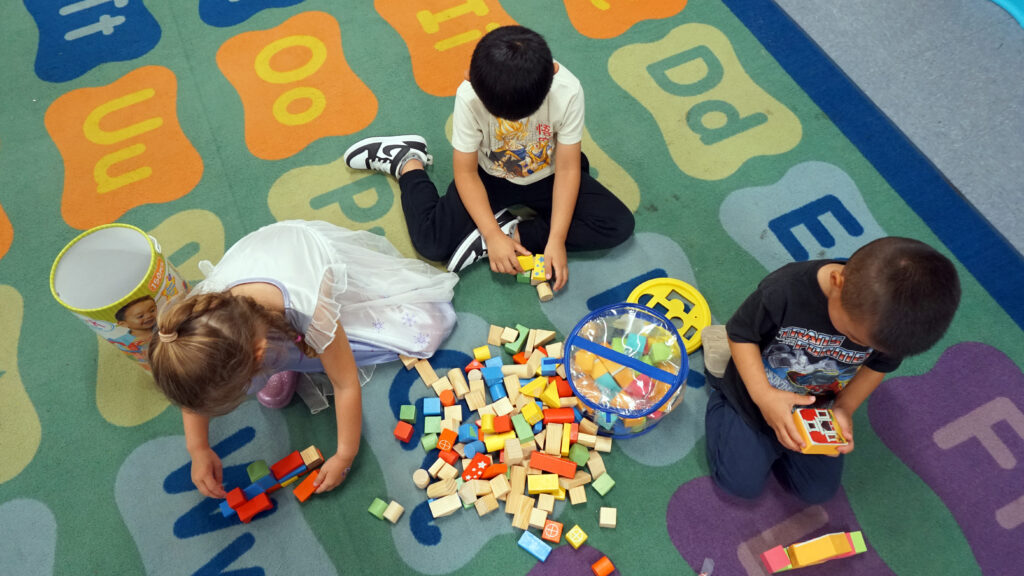
For younger students, the pandemic underscored the need for structured opportunities to learn how to play and interact effectively with peers. Adult-facilitated playtime has become a more integral part of the school day, recognized as a vital component of development, on par with literacy and math instruction.
This investment in social-emotional support appears to be yielding positive outcomes. Bresee reports that student behavior has improved, and classroom routines are becoming more predictable. The focus on connection is proving to be a powerful tool for recovery and progress.
The importance of social-emotional support and relationship-building extends to older students as well. Erika Cedeno intentionally dedicates time at the beginning of each Spanish class to engage her students in conversation. Simple questions like "What is your favorite color?" or "What is your favorite candy?" serve as bridges, helping students connect with her and their classmates.
Cedeno also offers her classroom as a safe haven for students who need a quiet space to relax or heat their lunch. "We are trying to rebuild this step by step," she says. "We are not there yet. But I think we are going to get there if we put in a lot of effort, a lot of compassion and empathy, because these kids, they need this."






 Explore AI Teaching Tools
Comments (0)
Please login to comment
No comments yet
Be the first to comment on this article