
Global Campus Crawl: Navigating the Legal Drinking Ages Abroad
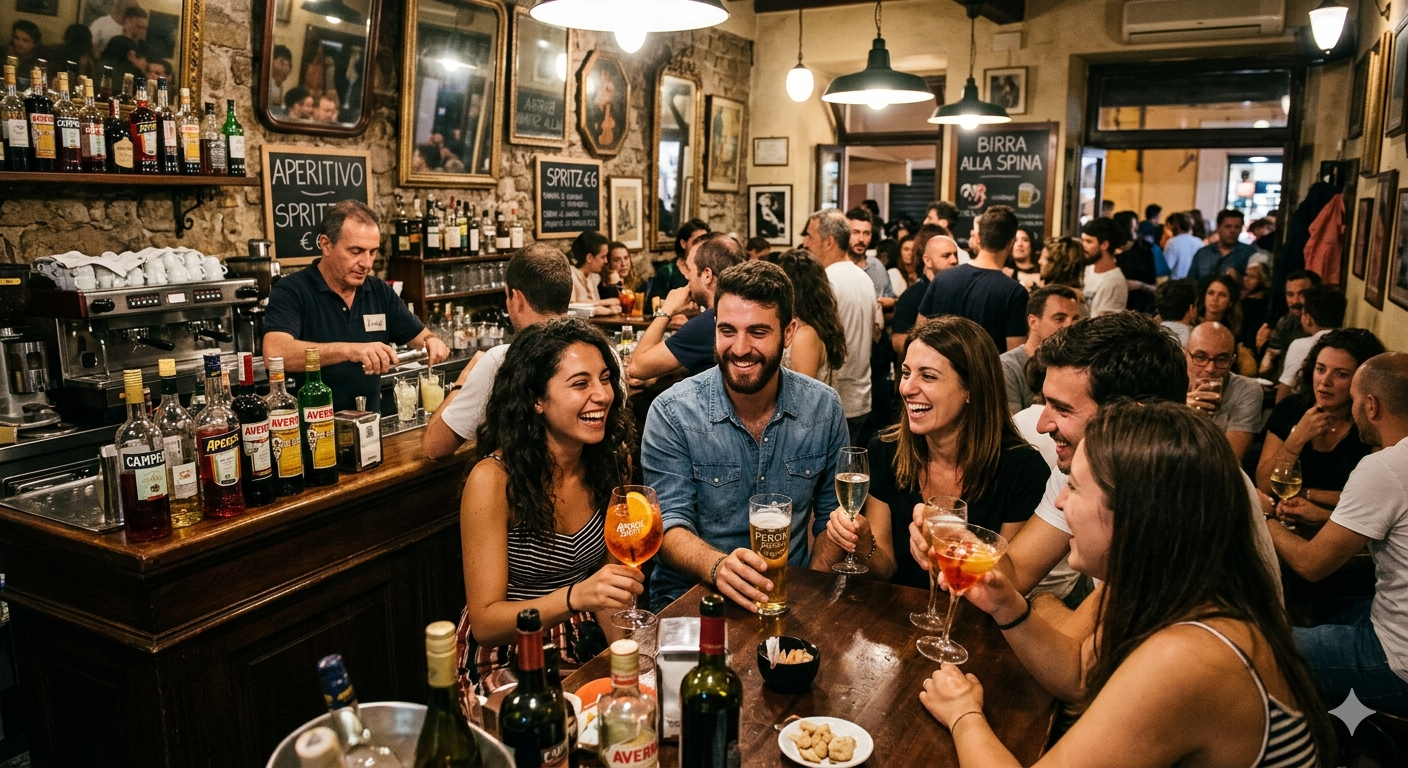
The allure of studying abroad often conjures images of vibrant nightlife, cultural immersion, and newfound independence. For many students, exploring local bars, clubs, and festivals is an integral part of the experience. However, this newfound freedom comes with a crucial caveat: understanding and respecting the legal drinking age in your host country. What might be perfectly acceptable at home could lead to serious repercussions abroad, from hefty fines to deportation.
A World of Different Rules: Understanding Legal Drinking Ages
As you plan your international academic adventure, a critical piece of research often overlooked is the legal drinking age. This isn't just a minor detail; it's a fundamental aspect of local law that directly impacts your ability to participate in social activities and avoid legal trouble. Ignorance of these laws is rarely an excuse, and the consequences can be severe.
The United Kingdom: A Nuanced Approach
In the United Kingdom, the legal drinking age is 18. It is illegal for anyone under this age to purchase alcohol, and it is equally illegal for anyone to sell it to them. Even enlisting an older friend to buy alcohol for you is an offense. However, there's a specific allowance for 16 and 17-year-olds: they can legally drink beer, wine, or cider with a meal, provided they are accompanied by an adult. This exception, however, does not permit them to purchase alcohol independently or take it off the premises. For those under 18 caught drinking in public, authorities have the power to stop, fine, or even arrest them, confiscating any alcohol found.
The United States: A Strict Threshold
The United States maintains a federal minimum legal drinking age of 21, established by the National Minimum Drinking Age Act of 1984. Prior to this legislation, individual states set their own drinking ages. Most states require valid identification to purchase alcohol. While the age is strictly 21, some states offer limited exceptions. In certain states, individuals under 21 may be permitted to drink with parental consent, typically within a private residence. A few states even allow those under 21 to consume alcohol on private property without parental consent. Underage drinking is classified as a misdemeanor, with potential penalties including fines, community service, driver's license suspension, and mandatory alcohol education programs.
Canada: Provincial Variations and Responsible Education
Canada's legal drinking age varies by province. While most provinces set the age at 19, Alberta, Manitoba, and Quebec have a lower age of 18. In some instances, parental supervision at home may permit underage drinking, but this does not extend to guests. The Canadian approach emphasizes educating young adults on responsible drinking habits, aiming to mitigate long-term addiction issues. Minors caught possessing alcohol in public or attempting to purchase it with a fake ID can face significant fines, underscoring the importance of adhering to the law.
Mexico: Age Limits and Temporal Restrictions
Mexico's legal drinking age is 18. While the age limit is lower than in some other popular destinations, certain states impose temporal restrictions on alcohol purchases. For example, in Cancún, packaged alcohol cannot be purchased from shops or convenience stores after 11 p.m., though bars and clubs with special permits may serve later. Some border cities have even stricter limitations, prohibiting alcohol sales from Sunday afternoon until Monday morning. Penalties for underage drinking can range from fines and community service to imprisonment. Drunk driving carries particularly severe consequences, including license revocation and potential jail time.
Australia: Entry Restrictions and Public Consumption Laws
In Australia, the legal drinking age is 18. It is unlawful for individuals under this age to buy alcohol or enter licensed premises such as pubs, bars, or clubs, especially if using a fake ID. Both establishments and law enforcement can request identification, and violations can lead to penalties or court proceedings. Furthermore, consuming or possessing alcohol in public spaces like parks or on public transport is prohibited unless the area is specifically licensed. Fines for minors caught with alcohol can be substantial. Adults supplying alcohol to minors also face significant penalties, including on-the-spot fines or even imprisonment.
South Korea: A Culture of Shared Experience
South Korea's legal drinking age is 19, and minors are strictly prohibited from consuming alcohol, even with parental consent. Korean universities are known for a vibrant drinking culture, where alcohol is often consumed publicly during social gatherings and celebrations. While the law primarily targets those who sell alcohol to minors, with severe penalties for offenders, the societal acceptance of drinking among students is notable. This cultural aspect highlights the importance of understanding not just the legal framework but also the social norms surrounding alcohol consumption.
Germany: Early Access with Caveats
Germany presents a more relaxed approach to drinking laws. The legal age for purchasing and consuming beer and wine is 16, while the age for spirits is 18. Individuals aged 14 and above can legally consume beer, wine, or cider when supervised by a parent or legal guardian. This policy has drawn some criticism, with concerns raised about the appropriateness of allowing younger individuals to drink in public settings even with supervision. The regulation of underage drinking in private settings is notably less strict.
Switzerland: Tiered Ages and Regional Differences
Switzerland's legal drinking age is tiered: 16 for wine and beer, and 18 for spirits. Minors typically need to be 16 to enter bars, with younger individuals requiring accompaniment by an adult with parental authority. Some cities, like Geneva, have more lenient rules, with adult supervision only mandatory after midnight. Enforcement tends to be stricter for spirits than for beer and wine, with shopkeepers more likely to check IDs for stronger alcoholic beverages. Penalties for underage drinking can include warnings, fines, and license suspensions for businesses.
Ireland: A Clear-Cut Age Limit
In Ireland, the legal drinking age is unequivocally 18, whether purchasing from a pub or a convenience store. Identification is frequently requested to verify age. Minors are permitted to enter pubs during specific hours, generally between 10:30 a.m. and 9 p.m., with extended hours in the summer months. Those under 18 caught drinking in public may face fines or participate in juvenile diversion programs. Supplying alcohol to a minor carries a significant fine, underscoring the strictness of the law.
Italy: Parental Consent and Enforcement Nuances
Italy's legal drinking age is 18, but with notable exceptions. Minors accompanied by a parent, guardian, or an adult with express parental permission may consume alcohol in restaurants or at festivities. Enforcement of the legal drinking age can be less stringent, with shopkeepers and bartenders not always checking identification. However, carrying identification is strongly recommended. The law primarily targets those who sell alcohol to minors, with fines varying based on the minor's age. Selling to minors aged 16-17 incurs a fine, while younger individuals may face detention.
Beyond the Legalities: The Risks of Alcohol Consumption Abroad
While navigating legal drinking ages is paramount, understanding the broader risks associated with alcohol consumption is equally vital, especially for young adults in a new environment. Overconsumption can lead to a cascade of negative consequences that can derail your academic and personal goals.
The Downward Spiral of Excessive Drinking
Frequent late-night drinking can disrupt sleep patterns, negatively impact mental health, and ultimately threaten academic performance. The combination of excessive alcohol and insufficient sleep can lead to inflammation, increasing the risk of various health issues. This toll, though perhaps not immediately apparent, can significantly affect your well-being and your overall study abroad experience. Peer pressure can be a powerful force, but knowing your limits and making responsible choices can safeguard your health and your future.
The Peril of Alcohol Poisoning
Thousands of students end up in emergency rooms each year due to alcohol poisoning. Consuming too much alcohol depresses the central nervous system, slowing heart rate and potentially leading to unconsciousness. Even after passing out, blood alcohol levels can continue to rise, posing a severe medical emergency that can result in brain damage or death. It is a stark reminder that "letting loose" can have life-threatening consequences.
Dwindling Finances and Social Pressures
Alcohol consumption can be a significant drain on a student's budget, particularly in countries where alcohol is expensive. Nights out at clubs and bars can quickly deplete savings, especially when factoring in cover charges and table minimums. Opting for more budget-friendly social gatherings at a friend's place can be a way to enjoy company without the hefty price tag. Understanding your financial limits is as important as understanding your alcohol limits.
Personal Safety Concerns
Being in a foreign country, especially when intoxicated, inherently carries personal safety risks. Decisions made under the influence can be impaired, increasing vulnerability to various dangers, including drink spiking, harassment, and even more severe forms of assault. The emergence of "needle spiking" has added another layer of concern, where individuals experience a painful prick before blacking out. It is crucial to stay with trusted companions, remain aware of your surroundings, and prioritize your safety above all else.
Your Best Friend in a Foreign Land: The Power of Water
Amidst the excitement and potential pitfalls of exploring nightlife abroad, one simple yet powerful tip stands out: stay hydrated. Drinking enough water is crucial for mitigating the negative effects of alcohol and can significantly reduce the severity of hangovers. Implementing a "1-for-1 rule" – drinking a glass of water for every alcoholic beverage consumed – is a highly effective strategy.
Many countries and establishments are legally mandated to provide free or reasonably priced drinking water. In places like Australia and across Europe, establishments selling alcohol are required to make water available. While some may charge a nominal fee if alcohol is not being served, bartenders are often happy to provide water upon request. Prioritizing water intake is not just about avoiding a headache; it's a fundamental aspect of responsible drinking and self-care while abroad.




 Explore AI Teaching Tools
Comments (0)
Please login to comment
No comments yet
Be the first to comment on this article