
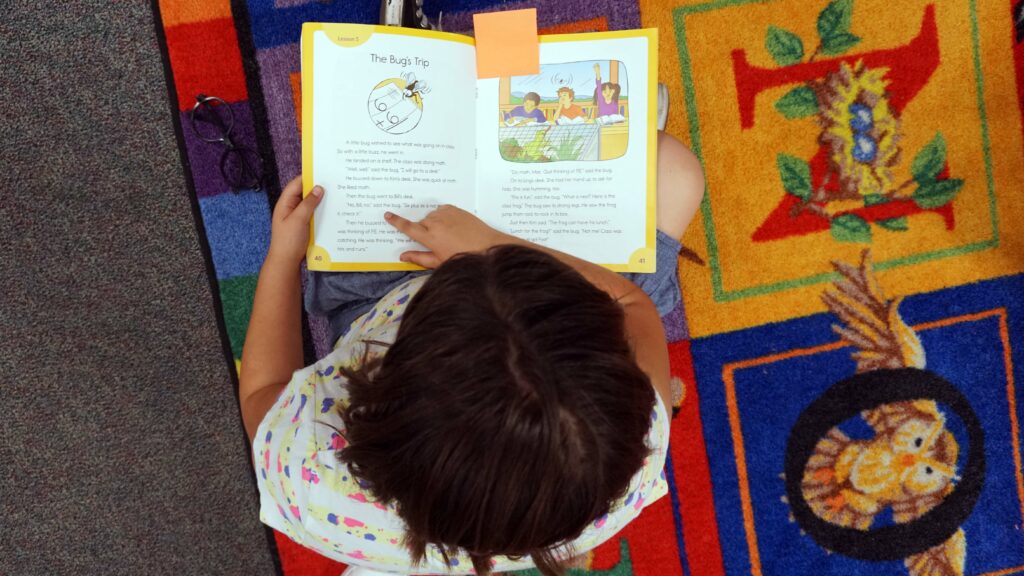
Eighth Grade Science Scores Plummet: Understanding the Decline and Rebuilding Student Engagement
Recent national assessments reveal a concerning trend: eighth-grade students' science scores have dropped significantly, mirroring the performance levels of over a decade ago.
This decline is coupled with a noticeable decrease in student enjoyment and interest in science.
At Mentofy, we believe understanding these shifts is crucial for educators, parents, and students alike to foster a renewed passion for scientific exploration and learning.
The Alarming Drop in Eighth Grade Science Performance
The latest national educational report card has delivered a stark message regarding the state of science education for eighth graders.
For the first time since the assessment's inception, student scores have regressed to levels seen in 2009.
This represents a substantial setback, erasing years of progress and highlighting a critical challenge facing the education system.
The data indicates a 4-point decrease on a 300-point scale between 2019 and 2024, a period heavily influenced by the global pandemic and its aftermath.
These findings are not isolated.
They echo similar downward trends observed in national assessments for mathematics and reading scores among fourth and eighth graders, which also showed significant post-pandemic declines.
The implications are far-reaching, suggesting a systemic impact on fundamental academic areas.
While state-specific data for science is not yet available in this particular report, the national picture underscores the urgent need for attention and intervention.
Student Engagement and Enjoyment in Science: A Sharply Declining Trend
Beyond the quantitative scores, the qualitative data paints an equally troubling picture.
A significant portion of eighth-grade students reported a marked decrease in their enjoyment of science and their anticipation for science classes.
This shift in attitude is particularly concerning, as intrinsic motivation is a powerful driver of academic success and lifelong learning.
The survey results indicate a substantial drop in the percentage of students who find science activities enjoyable, falling from 52% in 2019 to 42% in 2024.
Similarly, interest in what is learned in science class has diminished, with reported percentages dropping from 47% to 39% over the same period.
Furthermore, students are less likely to perceive the value of making an effort in science class or to see the relevance of science outside of the academic setting.
This disengagement can have long-term consequences, potentially deterring students from pursuing STEM fields and limiting their understanding of the scientific principles that shape our world.
The pandemic appears to have exacerbated these feelings, making it harder for students to connect with the subject.
The Unique Challenges Science Education Faced Post-Pandemic
Science, by its very nature, often relies on hands-on experimentation, collaborative learning, and direct observation.
The shift to remote learning during the pandemic presented unique obstacles for science educators.
Replicating the experiential nature of science education in a virtual environment proved exceptionally difficult.
Activities that typically involve shared equipment and close-quarters collaboration, such as laboratory work, became problematic due to health concerns and the need for physical distancing.
This created a situation where science education may have taken a backseat to other core subjects like reading and mathematics, which were arguably easier to adapt to remote or hybrid learning models.
The pressure to help students "catch up" academically after disruptions may have further reduced the time and resources allocated to robust and meaningful science instruction.
Developing effective science curricula and providing the necessary support for educators to deliver them requires dedicated time and resources, which may have been scarce during this period.
Re-emerging Gender and Persistent Racial/Ethnic Gaps in Science
The national science test results also highlight a concerning re-emergence of the gender gap in science performance, while existing racial and ethnic disparities have unfortunately persisted.
Between 2019 and 2024, girls' science test scores dropped more significantly than boys' scores.
While the gender gap in science had narrowed by 2019, it has now statistically re-emerged.
This trend mirrors similar observations in mathematics, suggesting a broader challenge for girls in STEM subjects.
The data also reveals persistent disparities among racial and ethnic groups.
While Asian American students saw a slight gain and remain the only group with proficient scores, almost all other measured groups have experienced a decline.
White students remain above the "basic" proficiency level, but Hispanic, American Indian/Alaska Native, and Black students all scored below the "basic" threshold.
This indicates that systemic inequities continue to impact science education outcomes, requiring targeted strategies to ensure equitable opportunities and support for all students.
Understanding the "Basic" and "Proficient" Benchmarks
To contextualize these scores, it's important to understand what the assessment benchmarks represent.
Less than a third of eighth-grade students achieved a score at or above the "proficient" level.
Conversely, more than a third scored below "basic." A student scoring below "basic" might struggle with fundamental scientific concepts, such as understanding the essential role of sunlight in plant growth and reproduction.
This highlights a significant gap in foundational scientific literacy among a substantial portion of the student population.
The "proficient" benchmark signifies a solid understanding and application of grade-appropriate science concepts.
Students who meet or exceed this standard are generally well-prepared for the next steps in their academic journey.
The widening gap between higher-performing and lower-performing students since 2009 further underscores the need for differentiated instruction and targeted interventions to support students at all levels of achievement.
Strategies for Rebuilding Student Interest and Improving Science Scores
Addressing the decline in eighth-grade science scores and student engagement requires a multi-faceted approach.
At Mentofy, we advocate for innovative pedagogical strategies that can reignite students' curiosity and foster a deeper understanding of scientific principles.
Innovative teaching Methodologies
- Inquiry-Based Learning: Encourage students to ask questions, investigate phenomena, and construct their own understanding.
This approach shifts the focus from rote memorization to active exploration.
- Project-Based Learning (PBL): Engage students in authentic, real-world problems that require them to apply scientific knowledge and skills.
PBL fosters collaboration, critical thinking, and problem-solving.
- Hands-On Experiments and Demonstrations: Prioritize practical, engaging activities that allow students to experience scientific concepts firsthand.
Even with resource constraints, creative low-cost experiments can be highly effective.
- Technology Integration: Utilize educational technology, simulations, virtual labs, and interactive platforms to supplement traditional instruction and provide engaging learning experiences.
Fostering a Positive Learning Environment
- Connect Science to Real-World Applications: Show students how science impacts their daily lives, from the technology they use to the natural world around them.
This makes learning more relevant and meaningful.
- Encourage Collaboration and Discussion: Create opportunities for students to work together, share ideas, and learn from each other.
This builds communication skills and a sense of community in the classroom.
- Celebrate Scientific Discoveries and Careers: Introduce students to inspiring scientists and diverse career paths in STEM fields.
This can broaden their horizons and spark aspirations.
- Provide Constructive Feedback: Offer timely and specific feedback that helps students understand their strengths and areas for improvement, fostering a growth mindset.
Addressing Equity and Access
- Differentiated Instruction: Tailor teaching methods and resources to meet the diverse needs of all learners, ensuring that students at all performance levels receive appropriate support.
- Targeted Interventions: Implement programs and strategies specifically designed to support students who are struggling, providing them with the extra help they need to succeed.
- Culturally Responsive Teaching: Integrate students' cultural backgrounds and experiences into the curriculum to make science more relatable and engaging for diverse learners.
- Resource Allocation: Advocate for equitable distribution of resources, including updated lab equipment, technology, and professional development opportunities for science educators.
The Role of Mentofy in Supporting Science Education
Mentofy is committed to empowering students and educators with the resources and tools necessary to navigate the complexities of modern education.
Our platform offers a wealth of engaging content, interactive learning modules, and expert-led courses designed to make science accessible, understandable, and exciting for students of all ages.
We believe that by providing high-quality, adaptable educational experiences, we can help combat the decline in student engagement and foster a new generation of scientifically literate individuals.
We understand that the challenges in science education are significant, but they are not insurmountable.
Through a combination of effective pedagogy, a supportive learning environment, and a commitment to equity, we can work together to rebuild student confidence and enthusiasm for science.
The data from national tests serves as a critical indicator, but it also presents an opportunity for reflection and positive change.
Mentofy is dedicated to being a partner in this vital endeavor, providing the educational support that students need to thrive in an increasingly science-driven world.
Conclusion
The recent findings regarding eighth-grade science scores and student engagement present a clear call to action.
The decline from previous years, coupled with diminished enjoyment and persistent achievement gaps, signals a critical juncture for science education.
By understanding the contributing factors, including the unique challenges posed by the pandemic and the need for equitable access to quality instruction, we can begin to implement effective strategies.
Mentofy is poised to support this transformation by offering innovative learning solutions that aim to rekindle students' passion for science, improve their academic performance, and ensure that every student has the opportunity to explore and excel in this essential field.






 Explore AI Teaching Tools
Comments (0)
Please login to comment
No comments yet
Be the first to comment on this article