
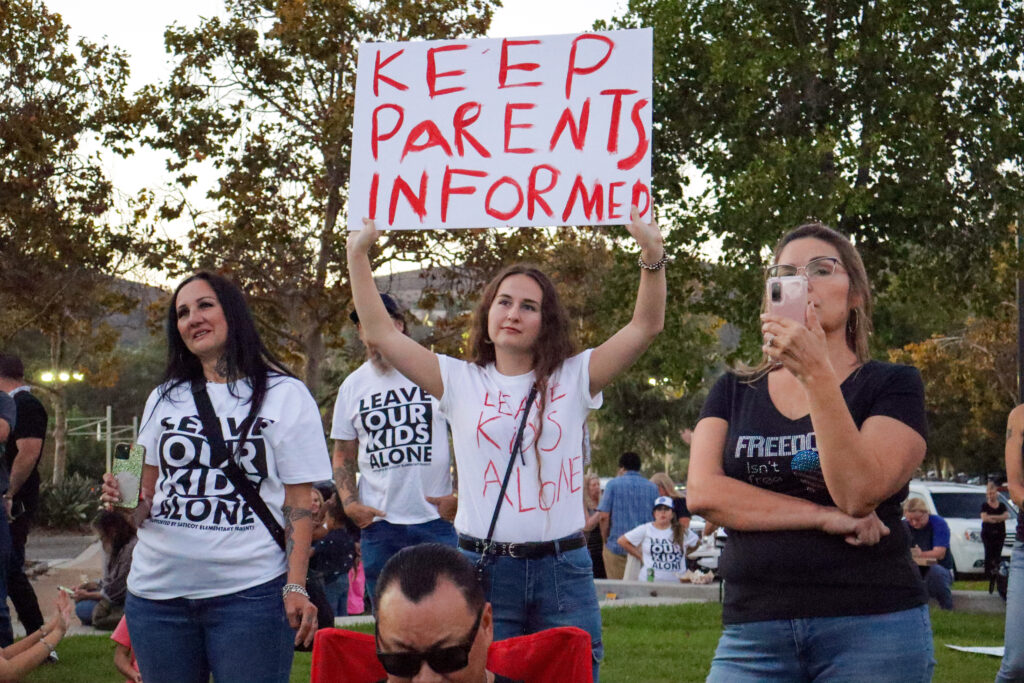
Navigating Student Gender Identity Disclosure: A Legal and Educational Deep Dive in California
In the evolving landscape of education, the question of when and how schools should communicate a student's gender identity to their parents has become a significant point of discussion.Recent legal developments in California have brought this complex issue to the forefront, impacting educators, parents, and most importantly, students.
This article explores the critical legal proceedings, the underlying principles, and the potential implications for educational policies and practices.
Understanding the Legal Framework: A Federal Court's Intervention
The core of the current debate centers on a federal appeals court's decision to temporarily halt a lower court's ruling concerning California's policies on student gender identity disclosure.This pause allows existing school policies, designed to protect students from being involuntarily "outed" to their parents, to remain in effect while the legal process unfolds.
The appeals court expressed skepticism regarding the initial ruling, which had challenged the constitutionality of these protective measures.
The Initial Ruling and Its Basis
A federal district court had previously issued an order suggesting that California's educational policies violated the constitutional rights of both educators and parents.Specifically, the ruling argued that educators should be permitted to inform parents about a student's expressed gender identity without the student's explicit consent.
This decision was based on the premise that parents have a fundamental right to be informed about significant aspects of their child's life, including their evolving understanding of gender.
The court referenced guidance from the California Department of Education and training materials that it believed necessitated such disclosure.
The Appeals Court's Skepticism and Concerns
The federal appeals court, however, identified "serious concerns" with the district court's order.A key point of contention was the certification of the case as a class action, potentially encompassing every parent and public school employee in California.
The judges indicated they were "skeptical" of the lower court's broad decision, which challenged policies adopted by a significant majority of California school districts.
This skepticism suggests a need for a more nuanced approach that considers the specific contexts and potential harms involved.
Key Players and Their Arguments
This legal battle involves a range of stakeholders, each with distinct perspectives and legal standing.Understanding their arguments is crucial to grasping the complexities of the issue.
Educators' Constitutional Claims
The case was initiated by educators who argued that school district policies preventing them from disclosing a student's gender identity to parents infringed upon their constitutional rights, specifically their rights to free speech and religious freedom.They contended that being compelled to withhold information about a student's gender expression, which they might see as a form of deception, violated their deeply held beliefs.
The State's Position: Protecting Vulnerable Students
Attorneys representing the state of California, including the Attorney General's office, have emphasized the importance of protecting vulnerable students.They stated that the appeals court's decision to pause the lower court's ruling "protects vulnerable students and avoids confusion for teachers and schools." The state's legal team argued that the district court's injunction was overly broad and based on a misinterpretation of existing school policies.
They also highlighted that the state's guidance explicitly allows for disclosure when there is a "compelling need to do so to protect the student’s wellbeing."
Advocacy for LGBTQ+ Students
Civil liberties organizations have applauded the appeals court's decision, asserting that the ruling recognizes the potential harm such disclosure policies could inflict on LGBTQ+ students, particularly transgender and gender non-conforming individuals.They echoed the appeals court's concerns about the sweeping nature of the original injunction and the potential weakness of the underlying legal claims.
The argument here is that forced disclosure can lead to negative consequences for students, including potential rejection, harassment, or lack of support at home, jeopardizing their safety and mental health.
Implications for Educational Policies and Practices
The ongoing legal proceedings have significant implications for how schools in California and potentially beyond will handle sensitive student information.The temporary stay means that current protective policies can continue, offering a degree of stability for students and educators.
The Role of School Policies
California school policies often aim to create safe and inclusive environments for all students.For transgender and gender non-conforming students, these policies may include provisions that allow them to be addressed by their chosen name and pronouns at school and to keep their gender identity private from parents if they fear negative repercussions.
The legal challenge questions the extent to which these policies can be implemented without parental notification.
Navigating Parental Rights vs.
Student Privacy At the heart of the matter is the delicate balance between parental rights to be informed about their child and a student's right to privacy and safety.
Research indicates that for some LGBTQ+ youth, coming out to parents can be a difficult and potentially dangerous process.
School policies that allow for a student-led disclosure process are often designed to mitigate these risks, ensuring that students have support systems in place before or as they share this information with their families.
The Future of Disclosure Guidelines
The appeals court's decision to grant a pause suggests that the legal battle is far from over.The case is likely to proceed through further appeals, potentially reaching the U.S.
Supreme Court.
This protracted legal process underscores the ongoing societal and legal debate surrounding student privacy, parental rights, and the role of schools in supporting LGBTQ+ youth.
Educators and administrators will need to stay informed about these developments and adapt their practices accordingly.
Conclusion
The legal challenges surrounding student gender identity disclosure in California highlight a critical intersection of constitutional law, educational policy, and the rights of young people.The federal appeals court's intervention, by pausing a lower court's ruling, underscores the complexities involved and the need for careful consideration of the potential impact on vulnerable students.
While the legal journey continues, the emphasis remains on creating supportive and safe educational environments where every student can thrive, regardless of their gender identity.
The discussions around what information educators can and should share with parents will undoubtedly shape future educational practices and legal interpretations for years to come.






 Explore AI Teaching Tools
Comments (0)
Please login to comment
No comments yet
Be the first to comment on this article