
Transitional Kindergarten: The Crucial First Step in Early Childhood Learning
Embarking on the educational journey is a monumental step for any child, and transitional kindergarten (TK) is emerging as a pivotal gateway.This vital year bridges the gap between preschool's nurturing environment and the structured world of traditional kindergarten, offering a unique blend of play-based exploration and early academic readiness.
For parents and educators alike, understanding what makes a high-quality TK program is essential for unlocking a child's full potential.
This article delves into the heart of transitional kindergarten, exploring its benefits, what to look for in a program, and why it's becoming an indispensable part of early learning.
The Transformative Power of Transitional Kindergarten
Transitional kindergarten is designed to provide a foundational year for children who are not yet ready for the full demands of traditional kindergarten.It's a space where curiosity is celebrated, and learning happens organically through engaging activities.
For many children, especially those who may have experienced significant life changes or are new to a language, TK offers a supportive and enriching environment to adapt and thrive.
Imagine a child arriving at school with limited English, feeling shy and uncertain.
Within a year, that same child is laughing, making friends, and confidently engaging with new vocabulary and concepts.
This transformation is not uncommon in TK programs.
The emphasis on social-emotional development, coupled with gentle academic introductions, empowers children to build confidence, independence, and a positive association with school.
This early success can set a trajectory for a lifetime of learning and academic achievement.
Research consistently shows that children who participate in high-quality early learning programs are more likely to succeed academically.
They tend to have better reading and math skills, are less likely to require special education services, and are more likely to graduate from high school.
Transitional kindergarten, by providing this crucial early intervention, plays a significant role in closing achievement gaps and ensuring that all children, regardless of their background, have a strong start.
What Makes TK a Unique Learning Environment?
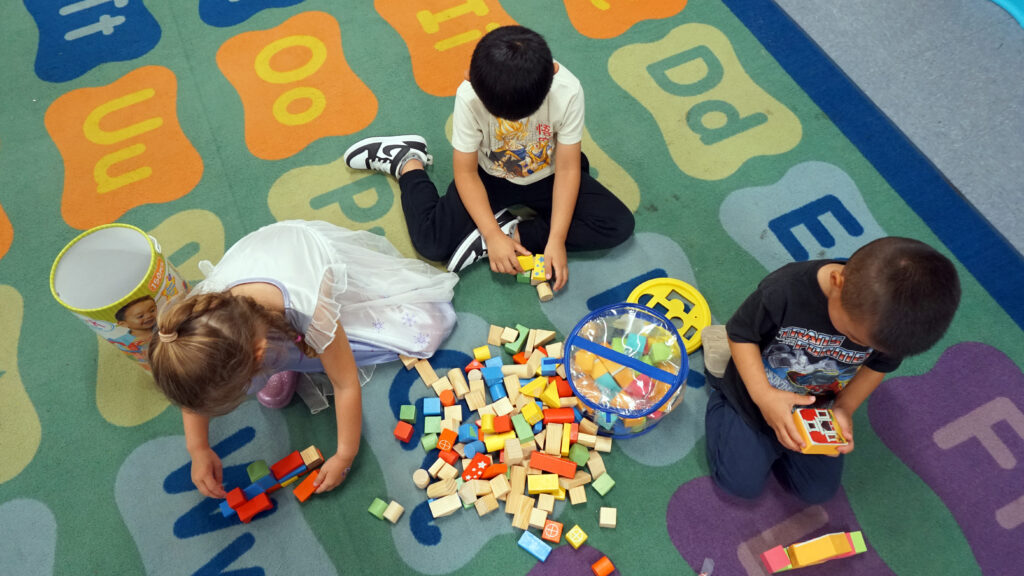
The core philosophy of transitional kindergarten revolves around the understanding that young children learn best through play and exploration.Unlike a more rigid academic setting, TK classrooms are dynamic spaces designed to foster a child's natural inclination to discover and experiment.
- Play as the Primary Tool: In TK, play is not just a break from learning; it is the very vehicle for learning.
Through imaginative play, children develop problem-solving skills, learn to collaborate, and build their understanding of the world around them.
- Curiosity-Driven Exploration: teachers in TK are adept at harnessing a child's innate curiosity.
They create environments where children feel safe to ask questions, explore new ideas, and pursue their interests, fostering a genuine love for learning.
- Social-Emotional Growth: A significant focus is placed on developing social skills, emotional regulation, and empathy.
Children learn to share, cooperate, resolve conflicts, and understand their own feelings and those of others.
- Gentle Academic Introduction: While play is paramount, TK also introduces foundational academic concepts in age-appropriate ways.
This might include early literacy skills through storytelling and songs, and early math concepts through games and hands-on activities.
Key Components of a High-Quality Transitional Kindergarten Program
As transitional kindergarten becomes more widespread, understanding what constitutes a high-quality program is paramount for parents seeking the best educational start for their four-year-olds.The effectiveness of TK lies not just in its existence, but in its implementation and the environment it cultivates.
The Role of the Educator
The teacher is the linchpin of any successful educational program, and in transitional kindergarten, their role is particularly vital.They are not just instructors but facilitators, nurturers, and guides.
- Developmentally Appropriate Practice: A hallmark of a great TK teacher is their deep understanding of child development.
They know that four-year-olds learn differently than older children and tailor their instruction accordingly.
This means avoiding excessive sitting, worksheets, or pressure for academic performance that is beyond a child's developmental stage.
- Creating an Engaging Atmosphere: Excellent TK teachers foster a classroom environment that is warm, inviting, and stimulating.
They use creative themes, hands-on materials, and enthusiastic engagement to capture children's attention and make learning exciting.
- Building Strong Relationships: The bond between a teacher and their students is crucial.
Teachers who show genuine care, offer encouragement, and provide individual attention help children feel secure and valued, which is essential for their learning and well-being.
- Expertise in Early Childhood Education: While TK teachers often hold a bachelor's degree and a start teaching on Mentofy">teaching credential, specialized training in early childhood education is what truly sets them apart.
This expertise allows them to understand the nuances of early learning and implement best practices effectively.
curriculum and Learning Activities
The curriculum in a transitional kindergarten program should be a vibrant tapestry woven from play, exploration, and intentional learning experiences.What they do in the classroom directly impacts what children learn.
- Integrated Learning: Academic concepts are seamlessly integrated into play-based activities.
For example, a dramatic play area can become a grocery store where children practice counting and recognizing numbers, or a science center can allow them to explore textures and properties of different materials.
- Hands-On Exploration: Children are encouraged to learn by doing.
This includes activities like building with blocks, engaging in art projects, exploring sensory bins, and participating in science experiments.
These experiences help solidify learning and make it more memorable.
- Language and Literacy Development: Storytelling, singing songs, rhyming games, and interactive read-alouds are central to developing early literacy skills.
Children are exposed to a rich vocabulary and learn the joy of books.
- Early Math Concepts: Counting, sorting, pattern recognition, and spatial awareness are introduced through games, puzzles, and everyday activities.
The goal is to build a strong foundation in mathematical thinking without formal instruction.
- Creative Arts: Music, movement, drawing, painting, and dramatic play are essential components that foster creativity, self-expression, and fine motor skills.
The Physical Learning Environment
The classroom itself is a powerful teacher.A well-designed TK environment supports active learning and exploration.
- Open and Inviting Spaces: Classrooms should be organized to allow for easy movement and various learning centers.
This might include areas for dramatic play, art, building, reading, and sensory exploration.
- Accessible Materials: learning materials should be readily available and organized in a way that children can access them independently, encouraging self-directed learning.
- Integration of Nature and Outdoor Access: Access to outdoor play spaces is crucial for physical development, sensory exploration, and connecting with the natural world.
- Adequate Facilities: While facilities can vary, having access to age-appropriate restrooms, including support for children who may still need assistance with toileting, is an important consideration.
Addressing Challenges and Ensuring Quality in TK
While the vision for transitional kindergarten is inspiring, its successful implementation faces several challenges.Ensuring consistency and quality across all programs is a key focus for educators and policymakers.
Teacher Preparedness and professional development
One of the most significant hurdles in achieving universal high-quality TK is ensuring that educators are adequately prepared and supported.- Bridging the Expertise Gap: While TK teachers often have formal education, they may sometimes lack the specialized depth of experience that seasoned preschool teachers possess.
Ongoing professional development focused on early childhood pedagogy is crucial to bridge this gap.
- Understanding Developmental Needs: Educators and administrators need a clear understanding of the unique developmental needs of four-year-olds.
This includes recognizing that children at this age learn through movement and interaction, not solely through quiet seated instruction.
- Training for School Leaders: Principals and school administrators play a critical role in the success of TK programs.
Providing them with training in early childhood education principles is essential so they can effectively support TK teachers, make informed hiring decisions, and advocate for appropriate resources.
The Importance of Play-Based Learning
A persistent challenge is the tendency for some programs to adopt a more academic, kindergarten-like approach, overlooking the critical role of play.- Play as a Rigorous Learning Tool: It's vital to recognize that play is not frivolous; it is a highly effective and rigorous method of learning.
When children engage in play, they are developing critical thinking, problem-solving, social, and emotional skills that are foundational for future academic success.
- Avoiding Over-Academization: Pushing formal academic instruction, such as extensive worksheets or timed tests, onto four-year-olds can be developmentally inappropriate.
This can lead to frustration, disengagement, and a negative perception of school.
- The "Vote with Their Feet" Phenomenon: When learning environments are not aligned with a child's developmental stage, children will naturally disengage.
This can manifest as restlessness or behavioral issues, which can then lead to misinterpretations of a child's capabilities.
Ensuring Equity and Access
While TK aims to provide universal access, disparities can still exist, impacting the quality of education children receive.- Variations in Program Quality: The quality of TK programs can vary significantly between school districts and even between schools within the same district.
This can be influenced by funding, teacher experience, and administrative priorities.
- Facilities and Resources: Differences in classroom facilities, availability of learning materials, and access to outdoor spaces can also contribute to variations in program quality.
- Addressing Specific Needs: Programs need to be equipped to support the diverse needs of all children, including those who may require additional assistance with personal care routines like toileting.
The Future of Early Learning: Why TK Matters
Transitional kindergarten represents a significant investment in the future of education and society.By providing a strong, play-based foundation, TK empowers children to enter kindergarten ready to learn and succeed.
The journey of a child like Krystyna, who found her voice and confidence through transitional kindergarten, exemplifies the profound impact this program can have.
It’s more than just a year before kindergarten; it’s a year of growth, discovery, and the cultivation of a lifelong love for learning.
As more children benefit from high-quality TK programs, we can anticipate a generation of learners who are not only academically prepared but also confident, resilient, and eager to explore the world.
Conclusion
Transitional kindergarten stands as a beacon of early childhood education, offering a crucial bridge between preschool and formal schooling.It is a year where the magic of play ignites a child's natural curiosity, fostering essential social, emotional, and cognitive development.
By understanding what constitutes a high-quality TK program—from the expertise of its educators and the richness of its curriculum to the design of its learning environment—parents and communities can ensure that every four-year-old receives the foundational support they need to thrive.
While challenges in consistency and preparedness remain, the commitment to refining and expanding TK programs promises a brighter, more equitable future for early learning, empowering every child with the confidence and skills to embark on their educational journey successfully.






 Explore AI Teaching Tools
Comments (0)
Please login to comment
No comments yet
Be the first to comment on this article