
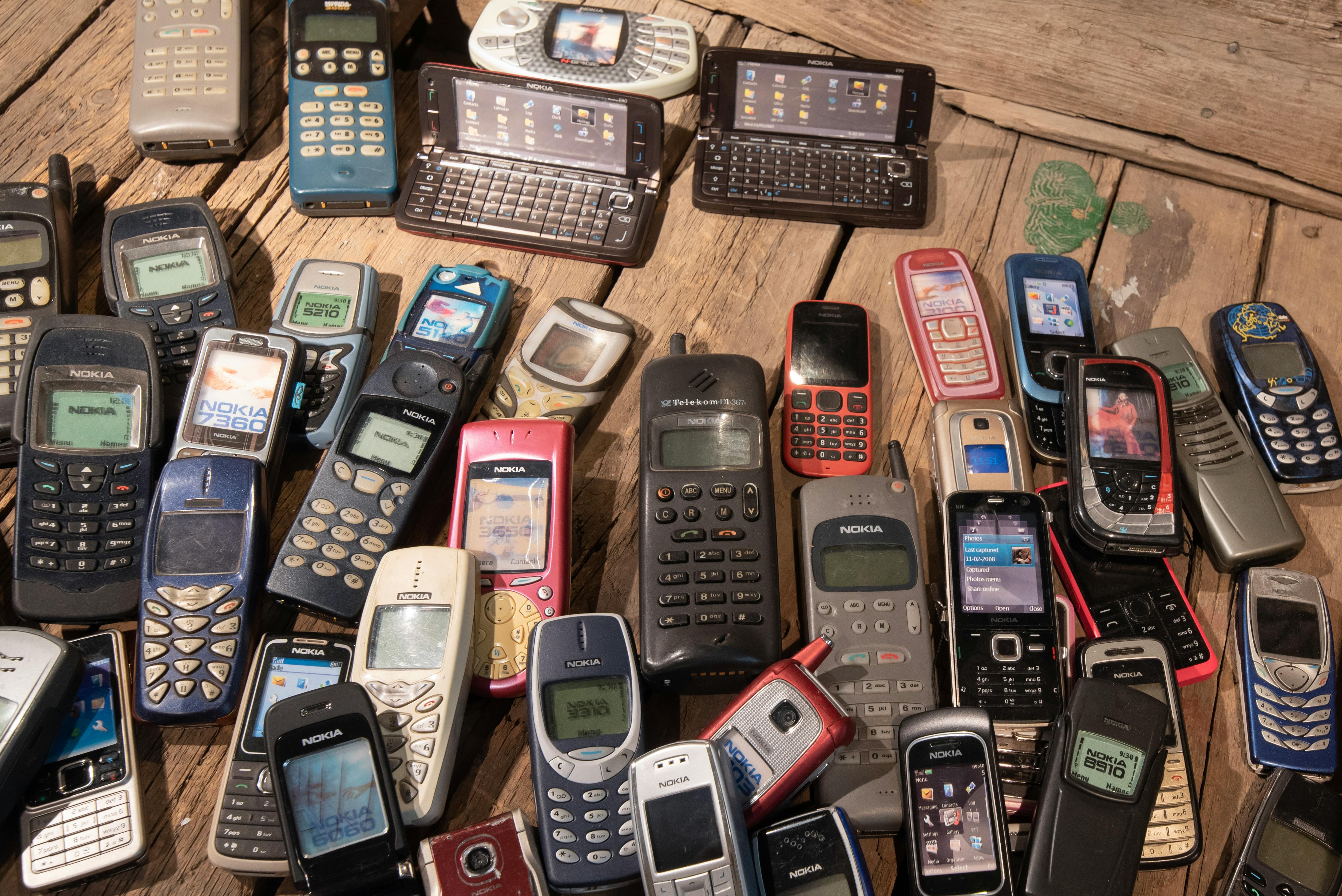
The Great Digital Detox: Why International Students Are Ditching Smartphones for Budget-Friendly "Dumbphones"
In 2026, navigating the complexities of international student life without a phone feels almost unthinkable. You need to stay connected to your university, your accommodation provider, your family back home, and the ever-present group chat that quickly becomes your social lifeline. Beyond essential communication, a reliable device is crucial for mapping your new surroundings, managing banking apps, accessing student portals, and, of course, capturing those quintessential study abroad memories.
However, for many international students, the reality of budget constraints is a significant hurdle. The allure of the latest smartphone often clashes with the pressing need for affordability, forcing a reconsideration of what truly constitutes a necessary tool.
Reimagining Connectivity: The Rise of the Modern Feature Phone
The landscape of personal technology is shifting, with a surprising resurgence in simpler, more focused devices. This isn't just about saving money; it's a deliberate move towards a more intentional relationship with technology.
A Nod to Nostalgia, Built for Today
Consider the reimagined classic, the Nokia 3210 (2024). This isn't your grandparent's flip phone; it's a deliberate reboot that blends a beloved retro design with contemporary 4G capabilities. It offers a 2.4-inch color display, a 2MP camera for basic snapshots, and an impressive 1450mAh battery that promises days of use on a single charge.
Running on the S30+ operating system, it even includes pre-installed games like Snake, a charming throwback. Its robust build quality, famously capable of withstanding considerable impact, adds an unexpected layer of practical durability for the rigors of student life.
The Humble Flip Phone: Simplicity Meets Functionality
For those seeking an even more streamlined experience, the Boost Mobile Summit Flip presents a compelling option. This 4G LTE clamshell device is designed for straightforward communication and essential tasks. It features dual 2.8-inch screens, 8GB of storage, and 1GB of RAM, sufficient for its core functions.
With a 5MP camera and running on Android AOSP, it provides a basic yet functional platform. The inherent design of a flip phone offers a unique tactile advantage: the simple act of closing the device can provide a moment of mental separation from constant digital demands.
For international students outside of specific regional markets, exploring locally available budget flip phones can yield similar benefits. The beauty of these devices lies not only in their functionality but also in their ability to offer a clear boundary when needed.
The "Dumbphone" Revolution: More Than Just a Trend
The notion of returning to simpler devices, often termed "dumbphones," is gaining significant traction. This movement is fueled by a growing awareness of the impact of constant smartphone use on our well-being and productivity.
The Alarming Reality of Screen Time
The statistics are stark: Americans, on average, check their phones an astonishing 205 times daily, a figure that has surged by 46% since 2022. This translates to nearly 4.5 hours of screen time each day. Younger demographics, particularly Gen Z, are leading this trend, with daily usage exceeding six hours and a significant majority admitting to feeling addicted.
This pervasive digital immersion has spurred a counter-movement, with sales of "dumbphones" experiencing a notable 25% increase in 2025. This surge is driven by both the inherent affordability of these devices and a growing societal desire to combat digital addiction.
A Deliberate Choice for a Distraction-Free Life
The appeal of these simpler phones spans across various demographics, including UX designers seeking focus, students aiming for academic success, emergency responders needing reliability, and even younger generations actively seeking to reclaim their attention. This intentional shift involves redefining personal tech habits through distraction-free devices, mindful engagement, and minimalist interfaces.
Beyond the psychological benefits, practical advantages are also significant. Lower data bills, extended battery life, and a device that reliably serves as an emergency tool are compelling reasons to consider a departure from feature-rich smartphones. The need for your phone to be a constant source of distraction is being questioned.
The Analog Echo: A Broader Cultural Shift
The "dumbphone" movement is not an isolated phenomenon; it's part of a larger cultural re-embrace of analog products. The renewed interest in film cameras, vinyl records, and physical journals reflects a desire for tangible experiences and a slower pace of life.
Even niche innovations, like a Wi-Fi landline device marketed for children that restricts calls to approved contacts and prohibits texting or app usage, highlight a growing demand for controlled communication. While aimed at younger users, the concept resonates with anyone seeking a respite from the always-on digital world.
For an international student looking to manage their budget and mental space, exploring the options for affordable flip phones or basic feature phones could be a surprisingly effective strategy. The question remains: how long can you truly last before the allure of constant connectivity pulls you back?






 Explore AI Teaching Tools
Comments (0)
Please login to comment
No comments yet
Be the first to comment on this article