
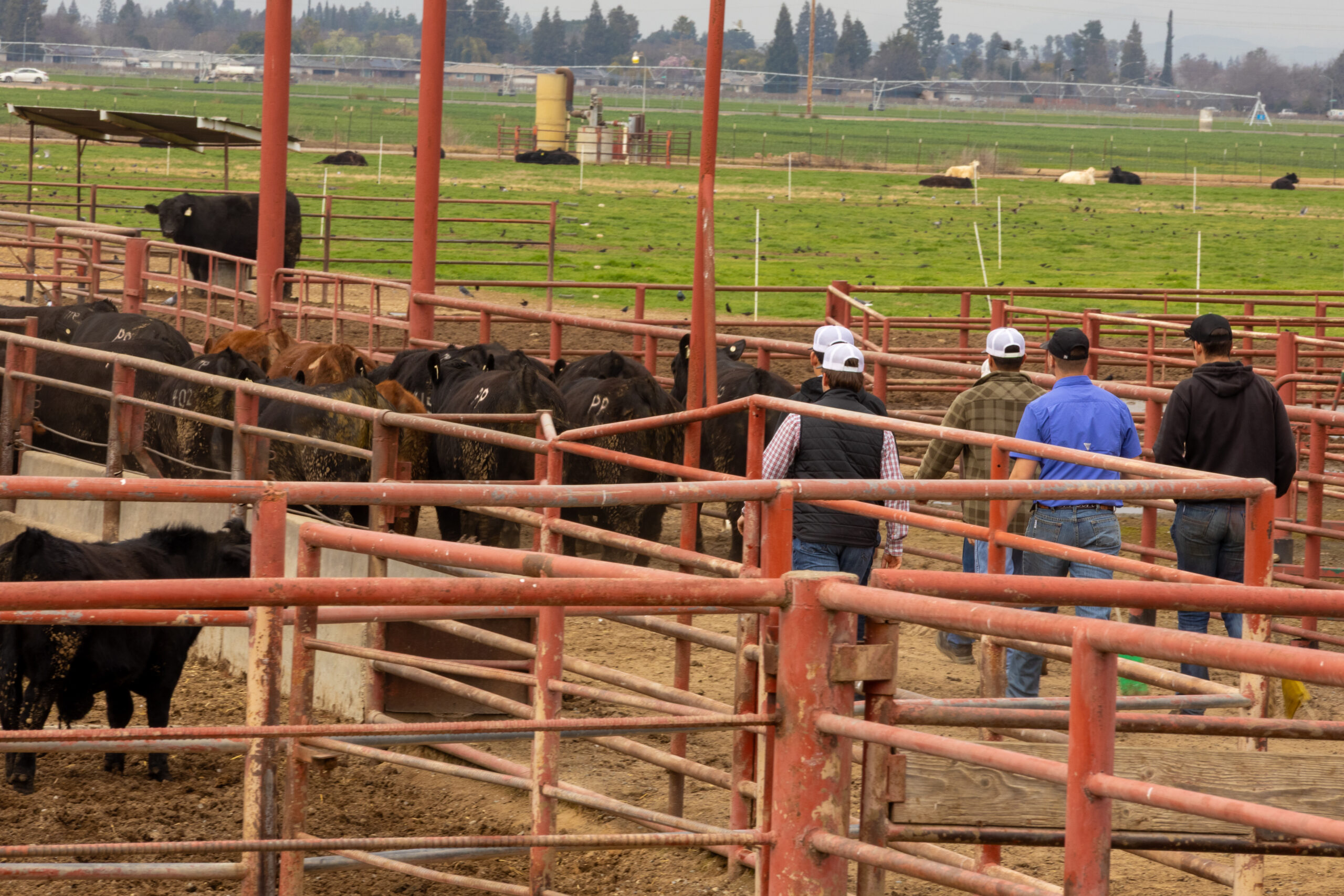
Cultivating Tomorrow's Leaders: How University Farms Equip Students for Agriculture's Future
The world of agriculture is constantly evolving, demanding more than just theoretical knowledge.
For students aspiring to a career in this vital industry, hands-on experience is paramount.
This is precisely where the innovative approach of select university farms shines, transforming classrooms into dynamic learning laboratories and preparing students for the real-world challenges and opportunities that await them.
At Mentofy, we believe in empowering learners with practical skills, and these working farms exemplify that ethos, providing a fertile ground for students to grow their expertise and confidence.
1.
The Power of Experiential Learning: Bridging Theory and Practice
Many students enter higher education with a passion for agriculture, but often find a gap between academic concepts and practical application.
This is where the unique environment of a university farm becomes invaluable.
These institutions are not merely educational facilities; they are active, functioning agricultural operations that provide students with direct exposure to every facet of the farming lifecycle.
From planting and cultivation to animal husbandry and market sales, students gain an intimate understanding of the processes that underpin modern agriculture.
For students who may not have grown up on a farm, the initial exposure can be eye-opening.
Research indicates that the transition from theoretical study to practical execution can be daunting.
However, working on a campus farm allows students to confront these challenges head-on.
They learn to troubleshoot issues, develop problem-solving skills, and build a tangible connection to the land and its produce.
This immersive experience is crucial for developing a well-rounded understanding of agriculture, fostering a sense of ownership and responsibility.
2.
Diverse Agricultural Training Grounds: A Spectrum of Opportunities
The educational landscape of agriculture is not uniform.
While many universities offer agricultural programs, only a select few boast comprehensive, working farms that serve as integral components of their curriculum.
These institutions are at the forefront of agricultural education, offering students the chance to engage with a wide array of farming practices and disciplines.
This diversity is key to preparing students for the vast and varied nature of the agricultural sector.
These university farms often encompass a broad range of agricultural enterprises.
Students might find themselves working in:
- Crop Production: Cultivating everything from staple grains and vegetables to specialized fruits and ornamental plants, learning about soil health, irrigation, pest management, and harvesting techniques.
- Animal Husbandry: Caring for livestock such as cattle, sheep, pigs, and poultry, gaining experience in breeding, nutrition, health management, and daily operations.
- Specialty Agriculture: Engaging with areas like viticulture, dairy production, or even apiculture, depending on the farm's focus.
- Sustainable and Regenerative Practices: Many farms are at the cutting edge of research into methods that enhance ecological balance, improve soil health, and promote biodiversity, offering students insights into the future of farming.
This multifaceted approach ensures that students are exposed to a wide spectrum of agricultural potential, helping them identify specific areas of interest and develop specialized skills.
The state of agricultural education is significantly enhanced by these comprehensive facilities.
3.
Beyond the Classroom: Building Essential Real-World Competencies
The benefits of university farms extend far beyond academic learning.
Students who actively participate in these operations develop a suite of critical skills that are highly sought after by employers in the agriculture industry and beyond.
This hands-on engagement is what truly sets these students apart.
Key competencies developed include:
- Practical Skill Acquisition: Students learn to operate and maintain farm equipment, perform intricate tasks related to crop and animal care, and manage day-to-day operations.
This is vital for any student entering the field.
- Problem-Solving and Adaptability: The dynamic nature of farming presents constant challenges, from weather changes to unexpected pest outbreaks.
Students learn to think critically, adapt to unforeseen circumstances, and find effective solutions.
- Teamwork and Leadership: Working on a farm often involves collaborative efforts.
Students learn to communicate effectively, delegate tasks, and work together towards common goals, fostering leadership potential.
- Business Acumen: Many university farms operate with a business model, involving sales, marketing, and financial management.
Students gain valuable insights into the economic aspects of agriculture, understanding how to turn produce into profit.
This is a critical aspect for any student aiming for success.
- Research and Innovation: These farms often serve as living laboratories for agricultural research.
Students can participate in research projects, contributing to advancements in areas like crop yields, animal welfare, and sustainable practices.
This holistic development prepares students not just for a job, but for a fulfilling and impactful career in agriculture.
The skills learned are transferable to many other industries, making these students highly adaptable.
4.
Financial Sustainability and Operational Models
Operating a working farm within a university setting presents unique financial considerations.
However, many of these institutions have developed sophisticated models to ensure their sustainability, often turning their operations into revenue-generating enterprises that also support educational initiatives.
This self-sufficiency is a testament to the ingenuity of these programs.
Funding for these farms typically comes from a complex mix of sources:
- Sales of Produce and Products: A significant portion of operational costs is often covered by the sale of goods produced on the farm.
This can include everything from fresh fruits and vegetables to dairy products, meats, cheeses, ice cream, jams, and even wine.
These products are often sold through campus stores, local farmers' markets, and sometimes even online platforms.
- Research Grants and External Funding: Universities actively seek grants and funding from government agencies, private foundations, and industry partners to support research and development initiatives conducted on the farms.
This funding is crucial for innovation and expansion.
- State and University Budgets: While some farms are largely self-supported, they also receive allocations from state budgets and university funds, particularly for infrastructure development and essential operational support.
Recent state budgets have provided significant investments in agricultural teaching centers and farm stores, bolstering these vital resources.
- Paid Student Positions and Internships: Offering paid opportunities allows students to gain valuable experience while contributing to the farm's operations, creating a symbiotic relationship that benefits both the student and the institution.
This multi-pronged approach to financing ensures that these farms can continue to operate, innovate, and provide unparalleled learning experiences for students pursuing a career in agriculture.
5.
Preparing Students for a Diverse Agricultural Landscape
The agricultural sector is incredibly diverse, encompassing a vast range of specialties and career paths.
University farms play a critical role in exposing students to this breadth of opportunity, helping them discover their niche and prepare for a future in a dynamic industry.
The state of agriculture is constantly changing, and these programs are at the forefront of that evolution.
By offering exposure to a wide variety of agricultural production methods, these farms equip students with the knowledge and skills to pursue careers in:
- Farm Management: Overseeing the operations of large-scale agricultural enterprises, ensuring efficiency and profitability.
- Agronomy: Specializing in soil management, crop production, and soil fertility.
- Animal Science: Focusing on animal health, nutrition, breeding, and welfare.
- Agribusiness and Marketing: Managing the business and financial aspects of agricultural operations, including sales, distribution, and market analysis.
- Agricultural Education: Teaching future generations of farmers and agricultural professionals.
- Research and Development: Contributing to scientific advancements in crop science, animal genetics, and sustainable farming practices.
- Conservation and Environmental Management: Applying agricultural knowledge to protect natural resources and promote ecological balance.
The practical experience gained on these farms allows students to confidently explore these varied pathways, understanding that agriculture offers a vast spectrum of potential and rewarding careers.
This is particularly important for students who may not have prior familial ties to the industry.
Conclusion
The working farms at select universities represent a powerful model for agricultural education, offering students an unparalleled opportunity to gain practical skills, develop critical competencies, and explore the diverse landscape of the agriculture industry.
These institutions are not just educating students; they are cultivating the next generation of farmers, researchers, and leaders who will shape the future of food production and sustainable land management.
For any student passionate about agriculture, engaging with these real-world learning environments is an investment in a successful and impactful career.
Mentofy champions this hands-on approach, recognizing that true mastery comes from doing.






 Explore AI Teaching Tools
Comments (0)
Please login to comment
No comments yet
Be the first to comment on this article