
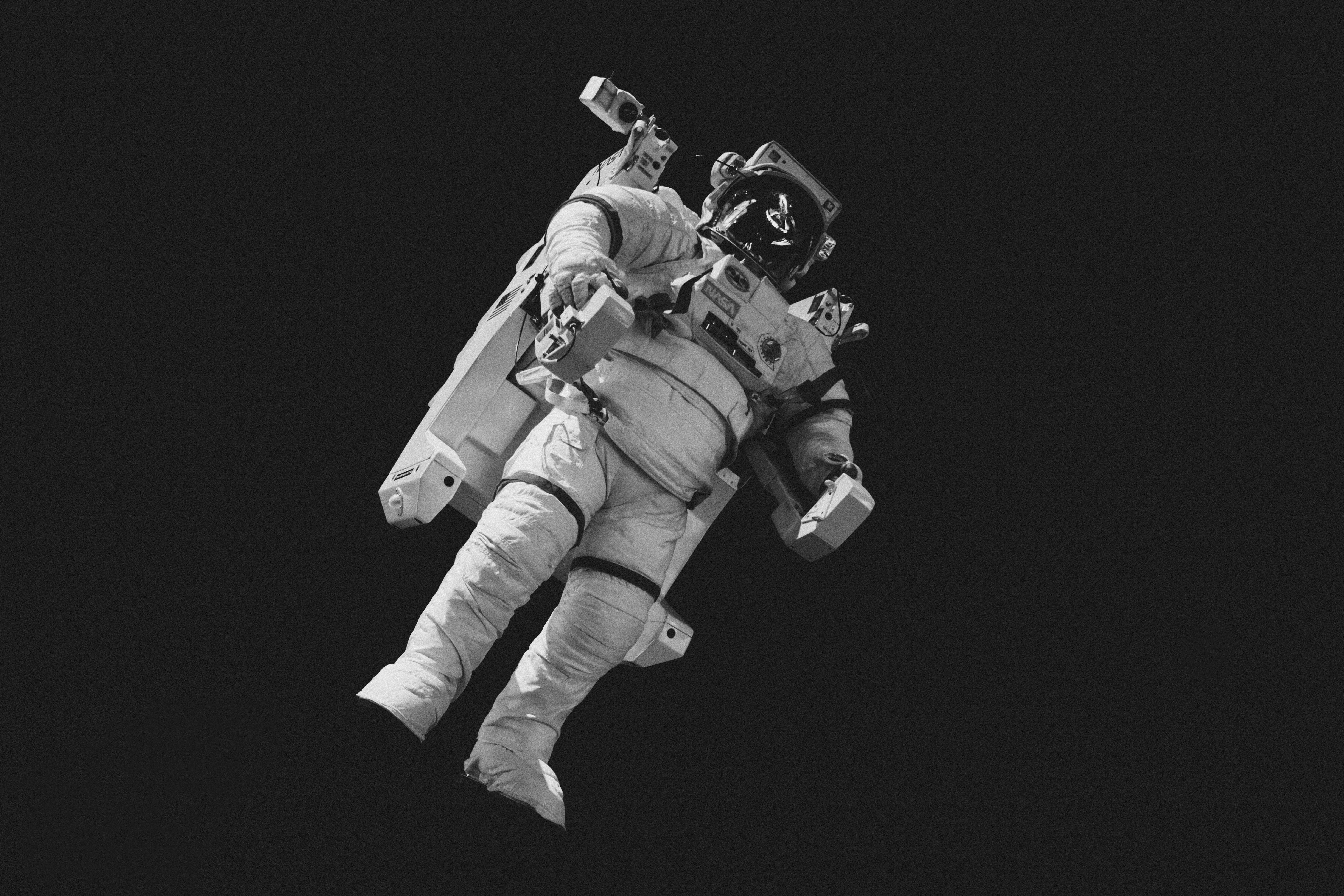
Beyond the Stars: Unconventional Paths to a Career in Space
The blockbuster success of a recent science fiction film, inspired by a novel that captivated millions, has ignited imaginations about the cosmos. While the narrative centers on a resourceful protagonist whose journey from the classroom to the brink of interstellar crisis feels almost fantastical, it subtly underscores a vital truth: the space industry is far more diverse than often perceived.
The film's hero, initially a middle school educator, uses a seemingly simple prop – a lava-rock-like sphere – to spark curiosity in his students. This humble object evolves into a potent symbol of his extraordinary mission, a testament to how foundational knowledge can propel one into the most ambitious of endeavors.
While the character's background in cell biology provided a scientific foundation, his trajectory isn't the only blueprint for entering the space sector. The allure of the cosmos beckons professionals from a surprising array of disciplines, proving that a direct path through engineering or astrophysics isn't the sole route to contributing to this burgeoning industry.
Navigating the Legal Frontiers of Space
Imagine dedicating your academic life to the intricacies of law or international relations, only to find yourself charting a course for a career among the stars. This isn't a hypothetical scenario; it's the reality for a growing number of "space lawyers."
These legal experts specialize in the complex web of regulations, treaties, and ethical considerations that govern activities beyond Earth's atmosphere. They work at the intersection of national interests and international cooperation, advising governments, corporations, and organizations on everything from satellite operations to the future of space exploration.
Their work is crucial for ensuring that humanity's expansion into space is conducted responsibly and equitably. A Juris Doctor, coupled with a deep understanding of space policy, can open doors to a truly unique and impactful career.
Igniting the Next Generation of Space Enthusiasts
Not everyone destined for the space industry needs to be an astronaut or a rocket scientist. The narrative itself highlights that the protagonist, despite his critical role, wasn't driven by a desire for space travel. Instead, his passion lies in sharing knowledge and inspiring others.
Careers in education and outreach are vital for fostering a pipeline of future talent. Professionals with backgrounds in education, communications, or even astronomy can find fulfilling roles shaping public perception and nurturing the next wave of innovators.
These specialists develop engaging programs and workshops designed to ignite curiosity in students and the general public alike. Their efforts are instrumental in demystifying complex scientific concepts and showcasing the myriad opportunities within the space sector.
Mapping the Cosmos and Our Own Planet
A degree in geography or environmental science might seem firmly rooted on Earth, but its applications extend far beyond our planet's surface. The tools and perspectives gained from these fields are increasingly indispensable in space exploration.
Organizations like NASA extensively utilize Geographic Information Systems (GIS) to analyze data from other celestial bodies. This technology is pivotal in identifying geological features on distant worlds and understanding planetary evolution, offering an otherworldly perspective on the universe.
With a foundation in geography or environmental science, individuals can pursue careers as remote sensing scientists. They leverage satellite imagery to monitor critical global issues such as climate change, natural disasters, and resource management, providing invaluable insights from a vantage point that is truly out of this world.
Crafting the Narrative of Space Exploration
The idea of advertising or marketing leading to a career in space might seem counterintuitive, yet it represents a rapidly expanding frontier. The space industry, much like any other, requires compelling storytelling to communicate its value and impact.
Professionals in these fields are tasked with articulating how space-based innovations and exploration directly benefit life on Earth. This involves roles such as social media coordinators, graphic designers, and content creators who translate complex scientific endeavors into accessible and engaging narratives.
Success in this area hinges on the ability to distill intricate subject matter into easily digestible content. As one graduate aptly put it, "There’s a place in space for everyone," emphasizing that creative communication is as essential as technical expertise for advancing the industry.
The journey to contributing to the space industry is not a singular, well-trodden path. It is a vast and evolving landscape, welcoming a diverse range of talents and perspectives. As humanity continues to push the boundaries of exploration, the demand for professionals across all disciplines will only grow, making the dream of working in space more attainable than ever.






 Explore AI Teaching Tools
Comments (0)
Please login to comment
No comments yet
Be the first to comment on this article